More People Are Suffering Strokes: Doctors Warn About 3 Dangerous Post-Meal Habits You Should Avoid
Stroke—especially ischemic stroke (brain infarction)—is becoming increasingly common, even among younger individuals. Health experts warn that certain everyday habits, particularly those done right after meals, may silently increase the risk.
According to doctors, the way your body reacts after eating plays a critical role in blood circulation and brain health.
Why Post-Meal Habits Matter
After eating, a large amount of blood is directed toward the digestive system to help process food. This is a normal physiological response.
However, this also means that blood flow to other organs—including the brain—may temporarily decrease.
If additional stress is placed on the body during this time, it can disrupt circulation, increase blood pressure fluctuations, and in some cases contribute to the formation of blood clots.
3 Habits After Meals That May Increase Stroke Risk
1. Overeating
Many people think eating until full is satisfying—but overeating can be harmful.
Doctors explain that eating too much can:
- Cause sudden spikes in blood sugar
- Trigger inflammation
- Worsen arterial plaque buildup
These factors are closely linked to stroke risk.
In addition, overeating forces more blood into the digestive system, reducing blood supply to the brain and increasing circulation imbalance.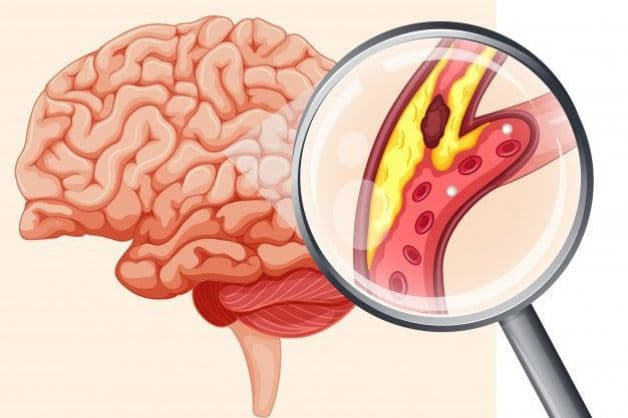
2. Lying Down Immediately After Eating
Some people lie down right after meals to “rest,” but this habit can backfire.
Lying down can:
- Slow blood circulation
- Reduce blood flow to the brain
- Increase blood viscosity and clot risk
It may also lead to acid reflux and long-term digestive issues.
Experts recommend staying upright for at least 30–60 minutes after eating.
3. Intense Physical Activity Right After Eating
Exercise is generally healthy—but timing matters.
Right after a meal, intense physical activity can:
- Disrupt blood distribution between digestion and muscles
- Cause sudden blood pressure changes
- Increase cardiovascular strain
In some cases, especially in middle-aged or at-risk individuals, this imbalance may contribute to clot formation and increase stroke risk.
A Growing Health Concern
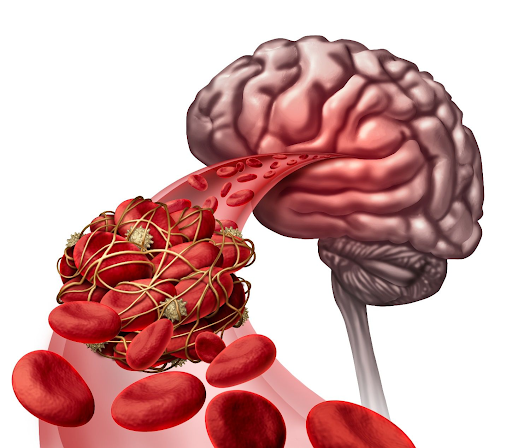
Doctors emphasize that stroke occurs when blood flow to the brain is blocked, depriving brain cells of oxygen—leading to serious damage within minutes.
What makes it more concerning is that many of these risks are tied to daily habits people rarely question.
What Should You Do Instead?
To reduce risk, experts recommend:
- Eat in moderation, avoid overeating
- Stay upright after meals
- Choose light activity like walking instead of intense exercise
- Maintain a balanced diet and healthy lifestyle
The Bottom Line
Stroke doesn’t happen suddenly without reason.
Sometimes, it’s the result of small, repeated habits—especially those practiced every day after meals.
Changing just a few routines could make a significant difference in protecting your brain health.