Sugary beverages are relevant because frequent excessive consumption can contribute to weight gain and a dietary pattern associated with type 2 diabetes. However, diabetes is not caused by one drink alone. Genetics, body composition, physical activity, diet, age, and other factors all influence risk.
For people who already have diabetes, choosing unsweetened beverages instead of sugary drinks can be a useful part of blood glucose management.
They should follow the advice of their healthcare team, particularly if they use insulin or medicines that can cause low blood glucose. Dietary changes may need to be considered alongside medication and monitoring.
Why the overnight timing of a stroke can be frightening
A stroke can occur at any time, including during sleep.
Some people wake up with symptoms they did not notice developing. This is sometimes described as a wake-up stroke.
Because the exact time symptoms began may be unknown, doctors need to use clinical assessment and imaging to determine which treatments may be appropriate.
This is one reason why family members should take sudden neurological symptoms seriously, even when they first appear after someone wakes up.
For example, a person may wake unable to move one arm normally, notice that one side of their face looks different, or struggle to speak clearly. These symptoms should never be dismissed as ordinary tiredness or the result of sleeping in an awkward position.
A stroke is an emergency. Immediate medical assessment is essential.
The importance of identifying stroke warning signs
The American Stroke Association and the CDC promote the B.E. F.A.S.T. method to help people recognize common warning signs.
-
B – Balance: Sudden loss of balance, coordination, or difficulty walking.
-
E – Eyes: Sudden changes in vision, including blurred or lost vision.
-
F – Face: One side of the face suddenly droops or becomes numb.
-
A – Arms: One arm becomes weak or numb, or drifts downward when both arms are raised.
-
S – Speech: Speech becomes slurred, strange, or difficult to understand.
-
T – Time: Call emergency services immediately.
Other warning signs can include sudden confusion, severe headache with no known cause, dizziness, or difficulty understanding speech.
Not every stroke produces every symptom. A person may show only one warning sign.
If someone suddenly develops a possible stroke symptom, do not wait to see whether it improves. Call the local emergency number immediately. In Vietnam, call 115 for an ambulance.
Do not give the person food, drink, or medication while waiting for emergency help unless instructed by medical professionals. Do not attempt to drive them yourself if emergency ambulance services are available.
Note the time the symptoms began or the last time the person was known to be well. This information can help medical teams assess treatment options.
Even if symptoms disappear after a few minutes, urgent medical assessment is still necessary. Temporary symptoms may indicate a transient ischemic attack, which can be a warning of a future stroke.
Why quick treatment makes a difference
A stroke can damage brain tissue because part of the brain is no longer receiving an adequate blood supply or because bleeding is damaging surrounding structures.
In an ischemic stroke, a blood clot blocks an artery. In a hemorrhagic stroke, a blood vessel ruptures and blood leaks into or around the brain.
The treatments available depend on the type of stroke, the time symptoms began, imaging findings, and the person's overall medical condition.
Some patients may be eligible for clot-dissolving medication or procedures to remove a clot. Others need treatment to control bleeding, manage pressure, or prevent complications.
These treatments are time-sensitive. The sooner a person reaches a hospital capable of evaluating and treating stroke, the more opportunities medical professionals may have to reduce damage.
This is why recognizing symptoms is more important in an emergency than trying to identify what the person drank or ate the previous evening.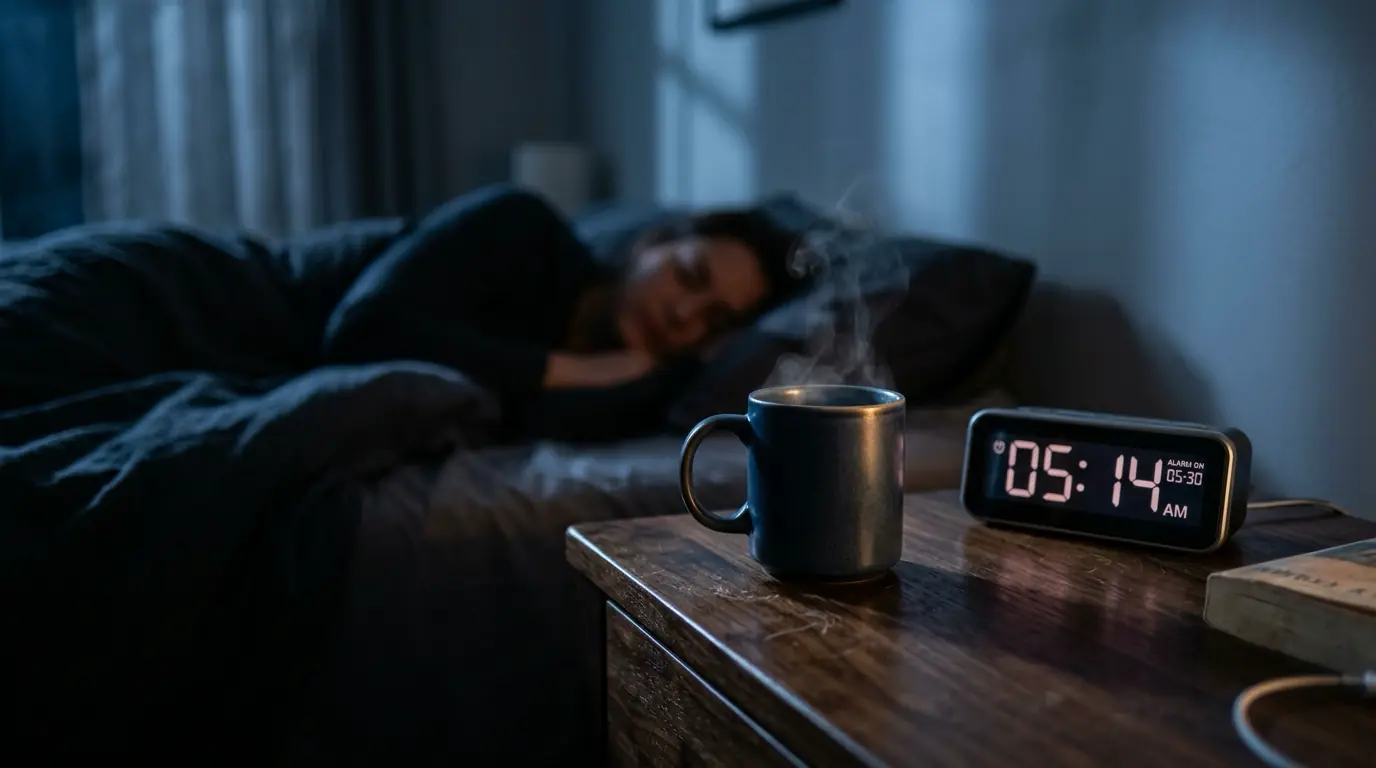
Chapter 3: What Should People Drink Before Bed Instead?
Water: A simple everyday choice
For many people, water is a sensible default beverage in the evening.
It provides hydration without added sugar or caffeine. It also avoids the stimulant effects associated with regular coffee, many teas, and energy drinks.
However, people do not need to force themselves to drink large amounts immediately before going to bed. Drinking too much fluid close to bedtime may lead to repeated trips to the bathroom, interrupting sleep.
A practical approach is to drink enough water throughout the day and take smaller amounts in the evening according to thirst and individual medical advice.
People with heart failure, kidney disease, or other conditions that require fluid restrictions should follow the instructions provided by their healthcare professionals rather than applying general hydration advice.
Unsweetened herbal tea
Some people enjoy a warm drink as part of their evening routine.
Caffeine-free herbal infusions can provide flavor without the stimulant effect of ordinary coffee or black tea. Examples include certain peppermint or chamomile teas.
However, herbal products are not automatically suitable for everyone. Some may interact with medicines, cause allergic reactions, or be inappropriate for people with particular health conditions.
People taking regular medication should check with a pharmacist or healthcare professional before using concentrated herbal preparations or supplements.
A small cup of an appropriate caffeine-free tea may be a pleasant alternative to an evening energy drink or sweetened beverage.
Milk and other unsweetened alternatives
Some people prefer a small glass of milk or an unsweetened plant-based alternative before bed.
These beverages may fit into a balanced diet, depending on the person's nutritional needs and tolerance.
However, flavored milk products can contain added sugar, and some plant-based drinks may also be sweetened. Checking the label is important.
There is no need to believe that a particular bedtime drink can prevent a stroke. No beverage can replace blood pressure management, medical treatment, or a healthy overall lifestyle.
The best choice is one that suits the person's dietary needs and does not interfere with sleep.
What about fruit juice?
Fruit juice is sometimes viewed as a healthier replacement for soda because it comes from fruit.
It may provide vitamins and minerals, but juice can also contain substantial natural sugar and fewer fibers than whole fruit.
A small serving may fit into a balanced diet, but drinking large quantities throughout the day can add considerable sugar and calories.
Whole fruit is generally a more filling option because it contains fiber and requires chewing.
People managing diabetes should consider portion size and carbohydrate content. They should also follow their healthcare team's advice about juice and blood glucose.
What about alcohol before bedtime?
Although the two main beverage categories discussed in this article are sugary drinks and highly caffeinated drinks, alcohol is another important consideration.
Some people believe that alcohol helps them sleep because it can make them feel drowsy. However, feeling sleepy is not the same as getting restorative sleep.
Alcohol can disrupt sleep patterns and contribute to awakenings during the night. It can also worsen snoring and sleep-related breathing problems in some people.
Regular excessive alcohol consumption is associated with several health risks, including high blood pressure and cardiovascular problems. For people concerned about stroke risk, alcohol should not be treated as a sleep aid.
The safest advice depends on individual health circumstances, medication use, and drinking patterns. People who do not drink should not start for perceived heart benefits.
A practical evening drink routine
A healthy evening routine does not need to involve expensive products or complicated rules.
A person might finish caffeinated drinks earlier in the day, choose water with dinner, and avoid large sweetened beverages late at night.
If they enjoy a warm drink, they can select a caffeine-free option without excessive added sugar.
They can also keep a simple record of what they drink and how they sleep. This may help identify whether caffeine, sugary drinks, or large amounts of fluid are contributing to discomfort or nighttime awakenings.
For someone with a medical condition, the routine should be adjusted to their clinician's recommendations.
The goal is consistency, not perfection.
Chapter 4: Everyday Habits That Can Help Protect the Heart and Brain
Changing bedtime drinks is useful, but it is only one part of stroke prevention. People who want to protect their cardiovascular health should look at the wider pattern of their daily lives.