Why Does Your Skin Become Irritated at Night? Doctors Explain the Possible Causes
Have you ever gone to bed feeling perfectly fine, only to wake up scratching your arms, legs, or back? Or perhaps you've noticed that your skin seems itchier at night than it does during the day.
You're not imagining it.
Doctors say nighttime skin irritation is a surprisingly common problem. While occasional itching is usually harmless, persistent irritation during sleep can disrupt rest, affect quality of life, and sometimes signal an underlying health issue. Understanding the possible causes may help you find relief and sleep more comfortably.
1. Your Skin Naturally Changes at Night

One of the most overlooked reasons for nighttime itching is the body's natural circadian rhythm.
As evening approaches, skin temperature and blood flow to the skin tend to increase. At the same time, the body produces lower levels of certain anti-inflammatory hormones. These natural changes can make the skin feel warmer and more sensitive, increasing the sensation of itching.
In addition, the skin loses more moisture during the night, which may contribute to dryness and irritation.
2. Dry Skin
Dry skin is among the most common causes of nighttime discomfort.
When skin lacks sufficient moisture, its protective barrier becomes weaker, making it easier for irritation and itching to occur. This problem often becomes worse during colder months, in air-conditioned rooms, or in homes with low humidity.
Common signs include:
- Flaky skin
- Rough patches
- Tightness after bathing
- Mild redness
- Itching that worsens at bedtime
Applying a moisturizer before bed may help reduce symptoms.
3. Allergies to Bedding or Laundry Products
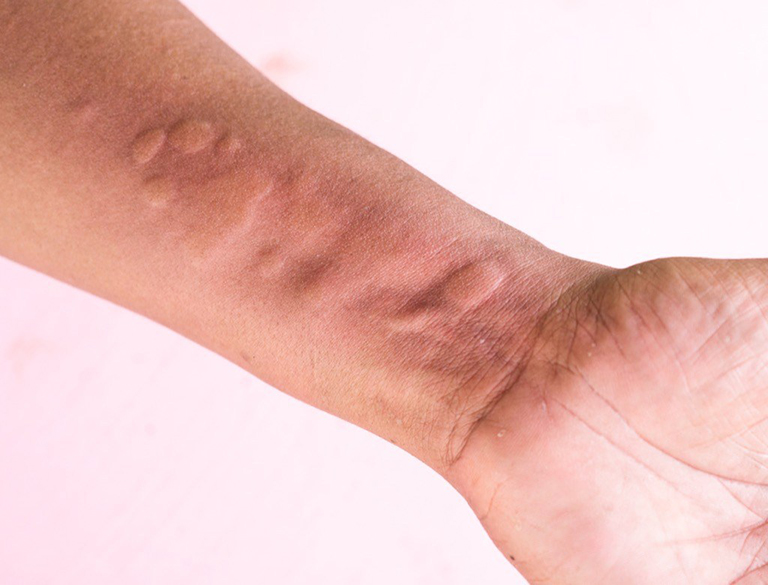
Sometimes the problem isn't your skin—it's what your skin is touching.
Sheets, pillowcases, blankets, fabric softeners, detergents, and even mattress materials can trigger allergic reactions or skin irritation in sensitive individuals. Community reports frequently mention improvement after switching to fragrance-free detergents or hypoallergenic bedding.
Possible clues include:
- Symptoms that occur mainly at night
- Itching concentrated where skin contacts bedding
- Red patches or small bumps
- Improvement when sleeping elsewhere
4. Dust Mites and Other Bedroom Allergens
Dust mites are microscopic organisms that thrive in mattresses, pillows, and bedding.
Although invisible to the naked eye, they can trigger allergic reactions that lead to itching, skin irritation, sneezing, and congestion. Other bedroom allergens may include pet dander, mold spores, and accumulated dust.
Regular washing of bedding and maintaining a clean sleeping environment may help reduce exposure.
5. Heat and Sweating
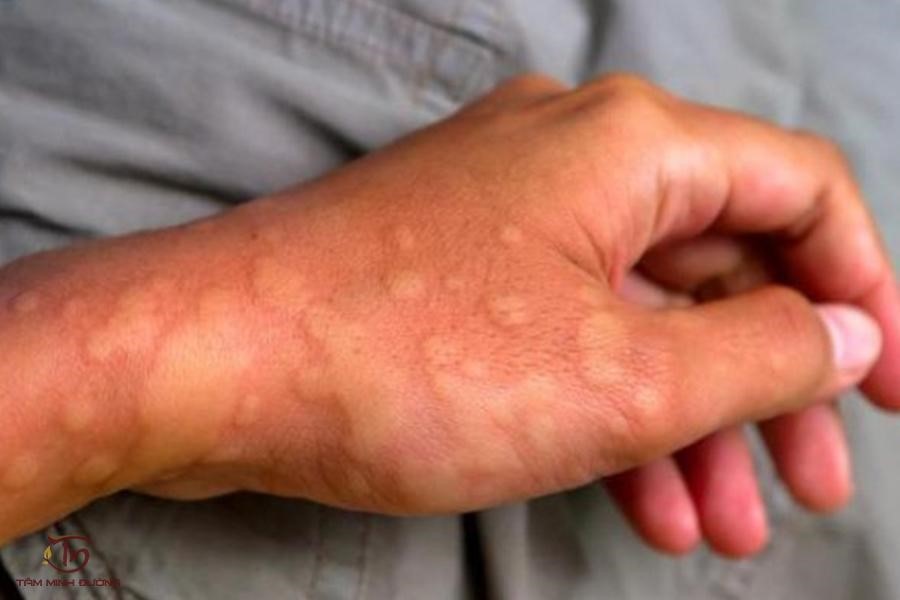
Sleeping in a warm room or under heavy blankets can cause sweating and skin irritation.
Heat rashes develop when sweat becomes trapped beneath the skin. Even mild perspiration may worsen existing conditions such as eczema or sensitive skin. Excess warmth can also intensify the sensation of itching during the night.
If symptoms worsen during hot weather, room temperature may be contributing to the problem.
6. Skin Conditions Such as Eczema or Psoriasis
Several chronic skin disorders tend to become more noticeable at night.
Conditions commonly associated with nighttime itching include:
- Eczema (atopic dermatitis)
- Psoriasis
- Hives
- Contact dermatitis
These conditions may cause inflammation, redness, scaling, or intense itching that becomes more bothersome once daily distractions disappear.
7. Insect Bites
Sometimes the source of irritation is much smaller than you think.
Bed bugs, mites, fleas, mosquitoes, and other insects are often more active at night. Their bites can produce itching, redness, and irritation that may be most noticeable upon waking.
Signs that insects may be involved include:
- Clusters of bites
- New marks appearing overnight
- Itching concentrated on exposed areas
- Evidence of insects in bedding or furniture
8. Stress and Anxiety
The connection between mental health and skin health is stronger than many people realize.
Stress and anxiety can increase inflammatory responses and heighten awareness of physical sensations, including itching. Some people notice that symptoms become worse at bedtime when the mind is no longer distracted by daily activities.
Managing stress may help reduce skin discomfort in certain cases.
9. Underlying Medical Conditions
Although less common, persistent nighttime itching can occasionally be associated with other health conditions.
These may include:
- Kidney disease
- Liver disease
- Thyroid disorders
- Iron-deficiency anemia
- Diabetes
- Certain neurological conditions
For this reason, ongoing unexplained itching should not be ignored, particularly if accompanied by other symptoms.
When Should You See a Doctor?
Occasional itching is usually not a cause for concern. However, medical evaluation may be appropriate if:
- Symptoms persist for several weeks
- Sleep is regularly disrupted
- A rash continues to spread
- Skin becomes infected from scratching
- Other unexplained symptoms appear
A healthcare professional can help identify the underlying cause and recommend appropriate treatment.
The Bottom Line
Skin irritation during sleep can result from something as simple as dry skin or warm bedding, but it can also be linked to allergies, skin disorders, insect bites, or underlying health conditions.
If your skin seems to become itchier at night, pay attention to patterns, environmental triggers, and any accompanying symptoms. Small changes—such as using fragrance-free products, moisturizing regularly, washing bedding frequently, and keeping the bedroom cool—may make a significant difference.
And if the problem persists, consulting a healthcare professional can help determine whether there's a deeper cause that needs attention.