Many people believe that if something is green, it must be healthy. But doctors and nutrition experts are reminding the public that even vegetables can become risky depending on how they are grown, stored, and cooked. A viral warning image circulating online shows a bowl of green vegetables and a headline urging people to stop eating “cancer-linked vegetables” that may appear in daily meals.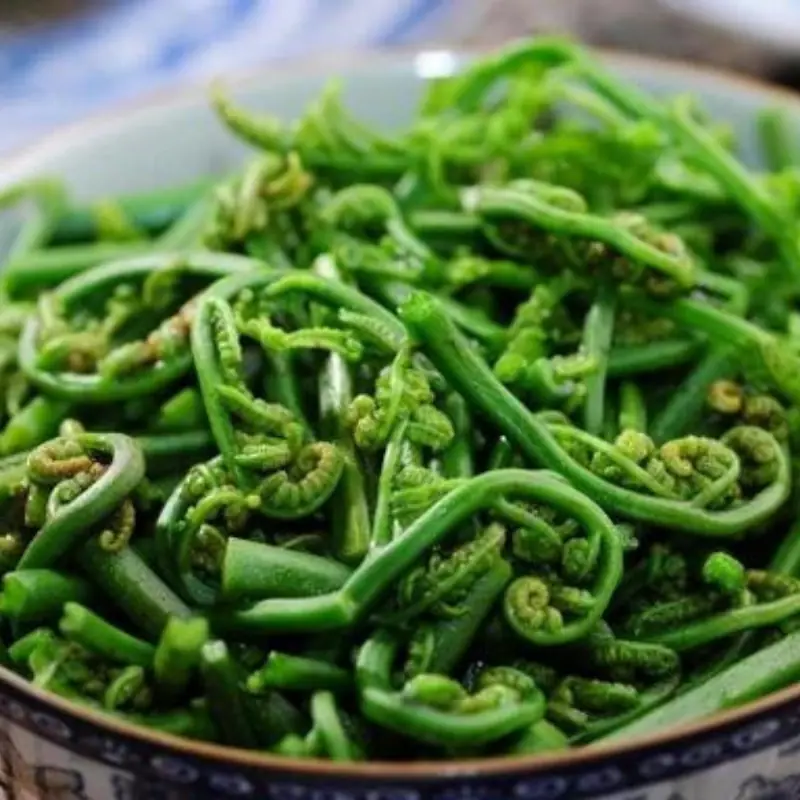
So what’s the truth behind this warning? While vegetables themselves are not “cancer foods,” certain conditions can increase cancer-related risks, and that’s what health professionals want everyone to understand.
Why Some Vegetables May Be “Cancer-Linked”
Doctors say the bigger issue is not the vegetable itself—but contamination, toxins, and cooking methods. Here are common reasons certain vegetables may become linked to long-term health concerns:
-
Pesticide residue: Vegetables grown with heavy pesticide use may contain chemical traces if not cleaned properly. Long-term exposure to certain pesticides has been associated with higher health risks in some studies.
-
Mold and spoilage toxins: Poor storage can lead to fungal contamination. Some molds produce toxins that are harmful if consumed repeatedly.
-
Nitrates and nitrites: Some leafy vegetables naturally contain nitrates. When stored too long or cooked and reheated incorrectly, these compounds may convert into substances that can be irritating or potentially harmful over time.
-
Charred or burned cooking: Vegetables cooked at extremely high heat until burned can create unwanted compounds, similar to overcooked meat.
Common Vegetables Doctors Say to Be Cautious With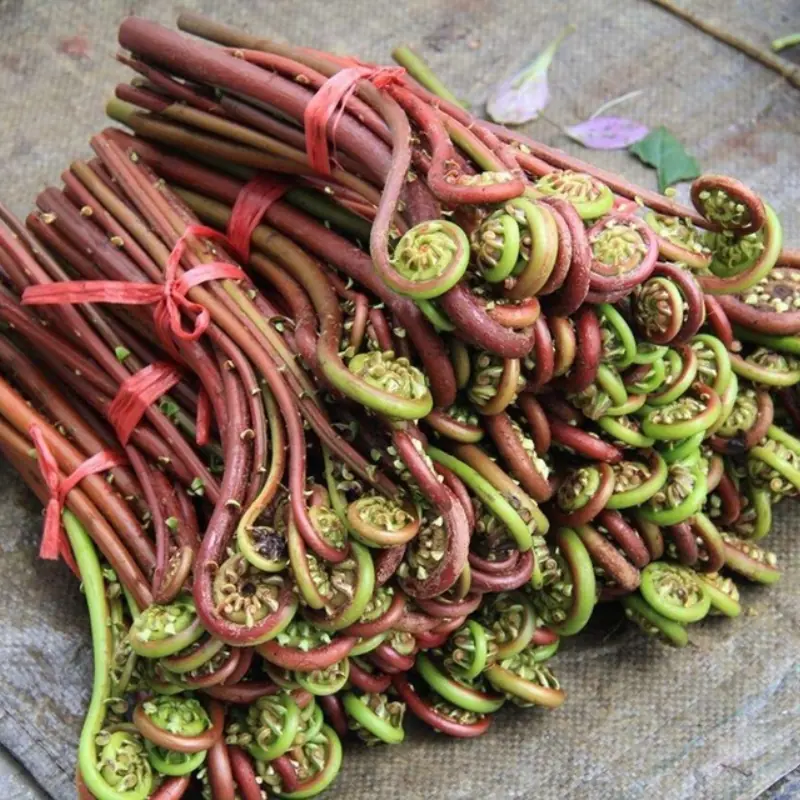
Instead of telling people to avoid vegetables completely, doctors recommend being cautious with certain high-risk categories—especially when eaten daily:
1) Leafy Greens That Are Poorly Washed
Spinach, lettuce, watercress, and other leafy greens can collect pesticides and bacteria due to their large surface area. If eaten raw often, they should be washed thoroughly.
2) Pickled or Heavily Preserved Vegetables
Pickled greens, salted vegetables, and preserved foods may contain high sodium and compounds formed during fermentation or preservation. Many health organizations recommend limiting these foods in large amounts, especially for people with high blood pressure or digestive issues.
3) Vegetables That Are Old, Slimy, or Stored Too Long
If vegetables become soft, smell strange, or show any sign of mold—even small patches—doctors advise discarding them. Cutting off the moldy part is often not enough, because harmful toxins can spread invisibly.
4) Vegetables That Are Frequently Deep-Fried or Burned
Fried greens, overly roasted vegetables, or foods cooked until dark and crispy may create harmful byproducts. Cooking methods matter as much as the ingredients.
How to Eat Vegetables Safely (Without Fear)
Doctors emphasize that vegetables are still essential for health and can reduce cancer risk when prepared properly. Here are smart habits to follow:
✅ Wash thoroughly: Use clean running water, and soak leafy greens for several minutes before rinsing again.
✅ Buy from reliable sources: Choose trusted markets and avoid produce with unusual shine, strong odor, or signs of chemical treatment.
✅ Store correctly: Refrigerate greens quickly and avoid keeping them too long.
✅ Avoid reheating cooked greens repeatedly: Some vegetables should not be reheated multiple times.
✅ Cook gently: Steaming, boiling, and stir-frying at moderate heat are safer than burning or deep frying.
Who Should Be Extra Careful
Doctors say these people should be especially mindful about vegetable safety and preparation:
-
People with weak immune systems
-
Those with digestive disorders
-
Pregnant women
-
Individuals with liver or kidney issues
-
Anyone eating large amounts of preserved or pickled vegetables daily
The Bottom Line
The warning isn’t meant to scare people away from vegetables. Instead, doctors urge everyone to remember: “Healthy food” can become unhealthy when contaminated, spoiled, or cooked improperly. If you eat vegetables every day—which you should—make sure you choose fresh produce, wash carefully, and cook smart.