Doctors Warn: This Common Way of Eating Boiled Eggs Can Clog Your Arteries — Yet Many Still Do It Daily Without Realizing the Risk
Boiled eggs are widely seen as a nutritious and convenient food, often featured in everyday meals. But health experts are sounding the alarm: consuming boiled eggs the wrong way can silently trigger cardiovascular problems — and in some cases, even lead to life-threatening consequences.
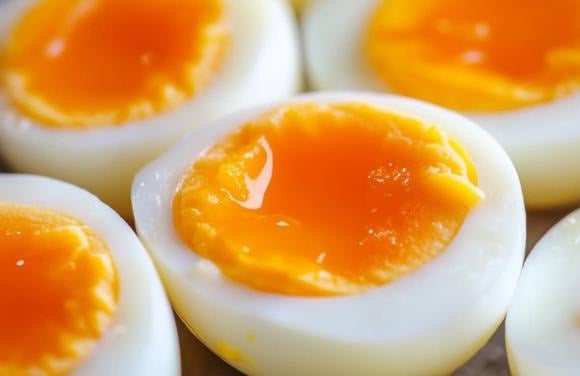
The Hidden Danger in the Yolk
According to Professor David Spence of the Robarts Research Institute (USA), egg yolks contain phosphatidylcholine, a compound that promotes atherosclerosis — the hardening and narrowing of the arteries. This risk is especially pronounced in individuals with high blood pressure, diabetes, or elevated cholesterol levels.
Research published in medical journals such as BMJ further highlights the risk: consuming just 10g of eggs per day — roughly 1/6 of a large egg — may increase the risk of coronary artery disease by up to 54%.
This isn't just theory. In one alarming case, a 30-year-old man in China was hospitalized after suffering a mild stroke. Despite eating clean and freshly prepared boiled eggs daily, he was found to have cholesterol levels more than double the safe limit — soaring from 5.1 mmol/L to 11 mmol/L. This incident serves as a wake-up call for those who believe boiled eggs are harmless in any quantity.
Who Should Be Cautious with Eggs?
While eggs are highly nutritious, they are not suitable for unrestricted consumption — especially for people with underlying health conditions. The following groups need to monitor their egg intake closely:
-
People with heart disease, high cholesterol, hypertension, or diabetes:
These individuals are at higher cardiovascular risk. Experts from Cleveland Clinic (USA) recommend limiting egg consumption to no more than one egg per week for those with a history of blood clotting or atherosclerosis.
-
Those with lipid disorders:
Limit intake to one egg per day, and stick to healthier cooking methods such as boiling, steaming, or soup-based preparations to reduce cholesterol exposure.
-
People with serious cardiovascular conditions:
Should limit egg intake to 2–3 eggs per week, spaced out across several days, and avoid heavy seasoning or frying.
Expert Tip: Swap the Yolk for the White
To minimize risks, nutritionists recommend using only the egg white, which is rich in high-quality protein (albumin) and extremely low in cholesterol. For those who want daily protein intake without added fat, consider alternatives such as skinless chicken breast, soybeans, lentils, or tofu.

Nutrition Isn’t Everything — Lifestyle Matters Too
Maintaining cardiovascular health isn't just about cutting back on yolks. Doctors emphasize the importance of a balanced lifestyle alongside dietary changes. Key recommendations include:
-
Reduce intake of red meat, fried foods, and saturated fats.
-
Use heart-healthy oils like olive oil or canola oil instead of butter or lard.
-
Incorporate fiber-rich foods such as whole grains, leafy greens, fresh fruits, and legumes.
-
Avoid refined sugars, trans fats, and ultra-processed snacks.
-
Exercise regularly, maintain a healthy weight, quit smoking, and limit alcohol consumption.
Eggs Are Still Beneficial — But Only If Consumed Properly
For healthy individuals, eating 3–7 eggs per week is generally considered safe. However, for people with pre-existing conditions such as heart disease, diabetes, or lipid disorders, it's best to consult a healthcare provider to tailor egg consumption appropriately.
The key isn't to eliminate eggs entirely — it's to eat wisely, moderate portions, and make informed choices. Replacing yolks with whites and combining eggs with a balanced diet can protect your heart and help prevent serious complications in the future.
Don't underestimate the impact of a daily habit. What seems harmless — like a simple boiled egg — could be quietly contributing to long-term health risks if not managed with awareness and moderation.
Can Eating Boiled Eggs Every Day Clog Your Arteries? What Science Really Says About Eggs and Heart Health
Boiled eggs are a familiar part of breakfast around the world. They are affordable, convenient, easy to prepare, and packed with nutrients that support muscle maintenance, brain function, and overall health.
Yet eggs have long been the subject of debate in cardiovascular nutrition. Some people avoid egg yolks because they contain cholesterol, while others believe that boiled eggs are harmless regardless of how many they eat.
The truth lies somewhere between these two extremes.
Egg yolks contain dietary cholesterol, and some people experience a meaningful rise in their blood cholesterol levels when they consume more of it. Elevated LDL cholesterol is a well-established risk factor for atherosclerosis, the process in which fatty deposits accumulate in artery walls.
However, eating a boiled egg does not automatically cause clogged arteries, and current research does not support the claim that everyone should avoid egg yolks. The relationship between eggs and cardiovascular health depends on the overall dietary pattern, a person's cholesterol levels, existing medical conditions, and other lifestyle factors.
The American Heart Association emphasizes the importance of an overall heart-healthy eating pattern rather than focusing exclusively on individual foods. Its guidance allows healthy people to include up to one whole egg per day within such a pattern, while recommending greater caution for certain people with cholesterol disorders or other cardiovascular risk factors. <Cite refs={["turn624665search0","turn624665search5"]}/>
In this article, we will examine six important facts about boiled eggs, dietary cholesterol, and heart health, including what the research actually shows, who may need to be more cautious, and how to enjoy eggs as part of a balanced diet.
1. The Hidden Issue in Egg Yolks: Dietary Cholesterol
Eggs contain several nutrients, but their yolks are also a concentrated source of dietary cholesterol.
Cholesterol is a waxy substance that the body needs to produce cell membranes, certain hormones, vitamin D, and bile acids that help digest fats.
Your liver produces much of the cholesterol circulating in your bloodstream. Foods such as eggs, meat, and some dairy products also supply cholesterol through the diet.
The important distinction is that dietary cholesterol and blood cholesterol are related, but they are not the same thing.
Eating cholesterol-containing foods can influence blood cholesterol levels, but the effect varies between individuals. The amount of saturated fat in the overall diet, genetics, body weight, physical activity, and underlying health conditions can also influence cholesterol levels.