Two Warning Signs of a Silent Health Threat That May Appear in Your Feet
The human body often reveals subtle signs when something is wrong internally. While many people pay attention to symptoms such as headaches, chest pain, or fatigue, fewer realize that the feet can also provide important clues about overall health. In some cases, unusual changes in the feet or toenails may indicate underlying medical conditions that should not be ignored.
Doctors frequently refer to certain conditions as “silent killers” because they can develop slowly and quietly over time. Diseases such as diabetes, cardiovascular disorders, and circulation problems may progress without obvious symptoms until complications appear.
For this reason, noticing small changes in the feet — including the nails, skin, or sensation — can sometimes help detect health problems earlier. Below are two warning signs that may appear in the feet and could signal deeper health issues.
1. Thickened or Discolored Toenails

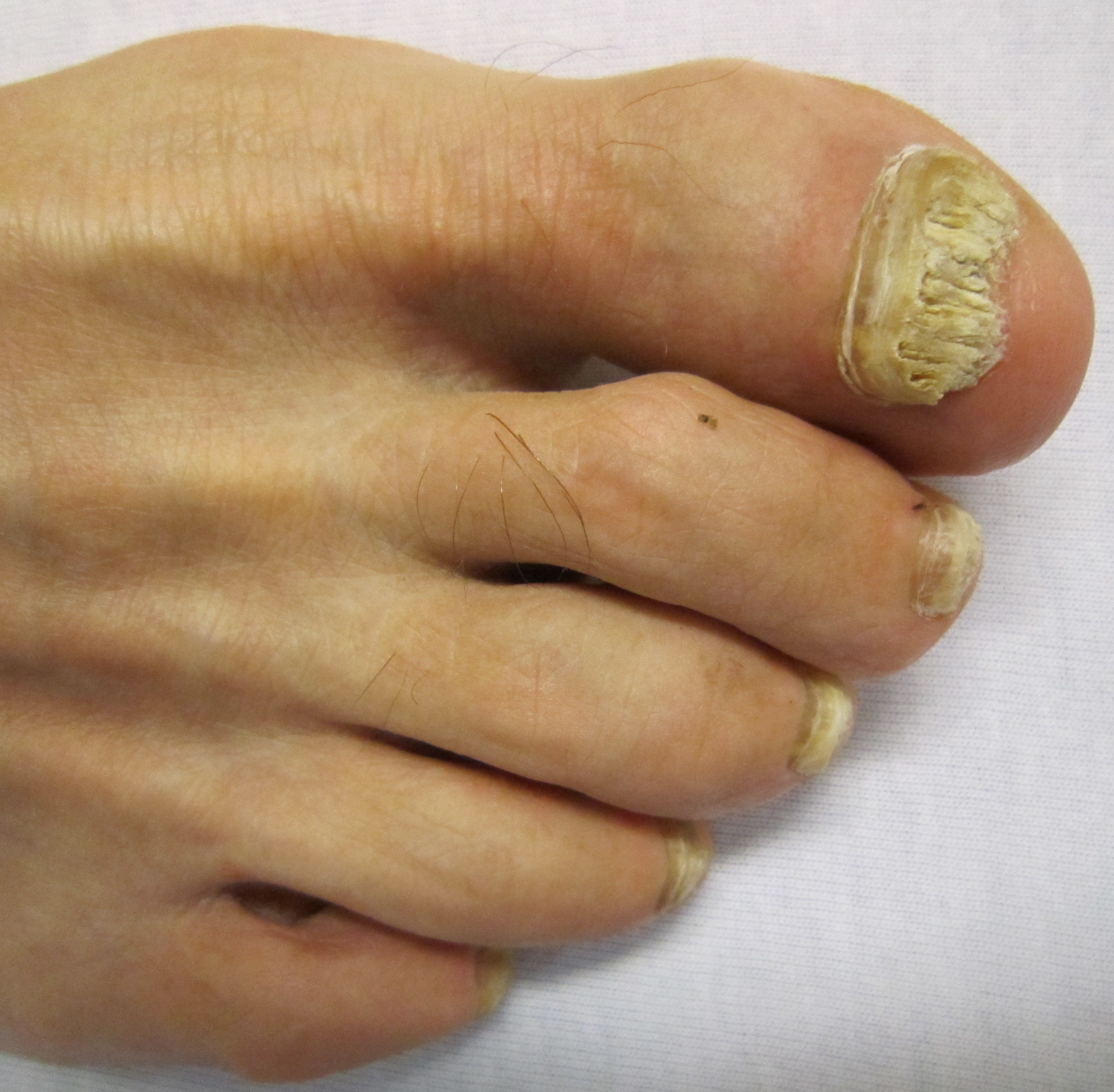

One of the most noticeable changes that can occur in the feet is thickened, brittle, or yellowish toenails. While this condition is often caused by a fungal infection known as onychomycosis, persistent nail changes may also occur in people with underlying health issues.
Individuals with poor circulation, diabetes, or weakened immune systems are more likely to develop stubborn nail infections. These infections can make the nail appear:
-
Yellow or brown
-
Thick and rough
-
Crumbly at the edges
-
Detached from the nail bed
When circulation is reduced, the body may struggle to fight infections effectively. As a result, fungal organisms can grow more easily under the nail.
Although toenail fungus itself is usually not life-threatening, recurrent or severe nail infections may sometimes indicate problems with blood flow or immune health.
Regular foot care, proper hygiene, and medical treatment when necessary can help prevent the condition from worsening.
2. Cold Feet or Persistent Numbness


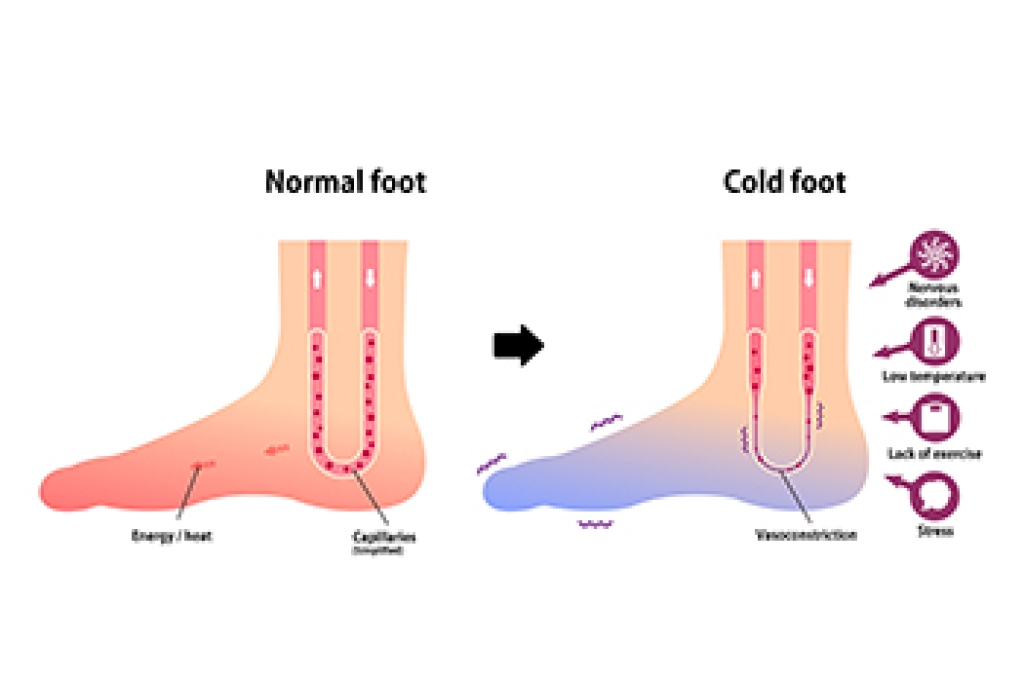
Another potential warning sign that may appear in the feet is persistent numbness, tingling, or unusually cold feet.
These sensations may occur when blood flow to the lower limbs is reduced or when nerves become damaged. One of the most common causes of nerve damage affecting the feet is diabetic neuropathy, a complication of diabetes.
Symptoms may include:
-
Tingling or “pins and needles” sensations
-
Burning pain in the feet
-
Loss of feeling in the toes
-
Feet that feel unusually cold even in warm environments
When nerves become damaged, individuals may lose the ability to feel injuries such as cuts or blisters. This is why foot problems can become serious for people with diabetes if not treated early.
Poor circulation may also cause the feet to appear pale, bluish, or colder than usual, especially during colder weather.
Why the Feet Can Reveal Hidden Health Problems


The feet are located far from the heart, which means they often reflect changes in circulation and nerve health sooner than other parts of the body.
Because blood must travel a longer distance to reach the feet, any disruption in circulation may appear there first. In addition, nerves in the feet are particularly sensitive to damage from chronic conditions such as diabetes.
Doctors often examine the feet when assessing overall health because they can reveal signs of:
-
Circulatory problems
-
Nerve damage
-
Infections
-
Nutritional deficiencies
Routine foot checks are especially important for individuals with diabetes or cardiovascular risk factors.
Simple Habits That Help Protect Foot Health



Maintaining healthy feet can help prevent many common problems. Some simple habits include:
-
Inspecting the feet regularly for cuts, swelling, or nail changes
-
Keeping feet clean and dry to prevent fungal infections
-
Wearing comfortable shoes that allow proper circulation
-
Managing blood sugar levels if living with diabetes
-
Seeking medical advice if unusual symptoms appear
Early attention to small changes can often prevent more serious complications later.
Final Thoughts
The body often communicates health concerns through subtle signals. Changes in the feet — including thickened toenails, discoloration, numbness, or persistent coldness — may not seem serious at first, but they can sometimes point to underlying issues involving circulation, nerve health, or metabolism.
Although these signs do not always indicate a severe condition, they should never be ignored if they persist or worsen. Paying attention to these early clues and consulting a healthcare professional when necessary can play an important role in maintaining long-term health.
Sometimes the smallest signals from the body can provide the most valuable warnings about hidden health risks.