Have you ever wondered whether the way you sleep says something about who you are? Social media posts and magazine articles often claim that sleeping on your side means you're friendly, sleeping on your back means you're confident, or sleeping on your stomach means you're adventurous. While these ideas are entertaining, the scientific evidence behind them is much less certain than many headlines suggest.
Researchers have explored possible links between sleeping positions and personality traits, but the available studies are generally small, observational, and not consistent enough to conclude that your preferred sleeping position can accurately reveal your personality. In reality, the way you sleep is influenced by many factors, including comfort, age, body shape, pregnancy, chronic pain, sleep disorders, and existing medical conditions.
So, can your sleeping position reveal your personality? The answer is perhaps a little—but probably much less than popular culture suggests.
Let's take a closer look at what research has found and separate fact from fiction.
Why Sleeping Position Matters
Although sleeping position may not reliably predict personality, it does matter for your health.
Your preferred sleeping position can influence:
-
Sleep quality
-
Breathing during sleep
-
Snoring
-
Neck pain
-
Back pain
-
Acid reflux
-
Pregnancy comfort
-
Shoulder pressure
For these reasons, healthcare professionals are generally more interested in how your sleeping position affects your physical health than your personality.
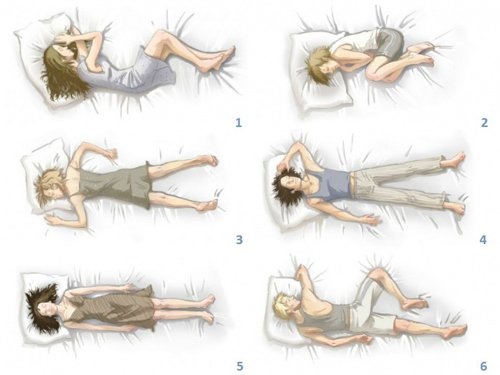
The Most Common Sleeping Positions
Most adults naturally sleep in one of several positions.
These include:
-
Side sleeping
-
Back sleeping
-
Stomach sleeping
-
Fetal position
-
Combination sleeping (changing positions throughout the night)
Many people actually move several times during sleep without realizing it.
Sleeping Position and Personality: Where Did the Idea Come From?
Interest in this topic grew after several surveys and small observational studies suggested possible relationships between preferred sleep positions and personality traits.
One of the most frequently cited studies was conducted in the United Kingdom in 2003. Researchers proposed that certain sleeping positions might be associated with characteristics such as confidence, openness, or sensitivity.
However, these findings have not been consistently replicated, and sleep experts generally agree that there is insufficient scientific evidence to use sleeping position as a reliable indicator of personality.
Position 1: Side Sleeping
Side sleeping is one of the most common sleeping positions.
Some surveys have suggested that side sleepers may be:
-
Sociable
-
Easygoing
-
Cooperative
-
Calm
However, these observations are not strong scientific conclusions.
People sleep on their sides for many practical reasons, including comfort and reduced snoring.
Health Benefits
Side sleeping may help:
-
Reduce snoring
-
Improve breathing in some people
-
Reduce nighttime acid reflux (particularly sleeping on the left side)
-
Improve comfort during pregnancy
Position 2: The Fetal Position
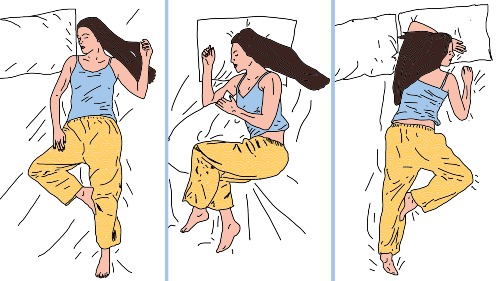
The fetal position involves lying on the side with the knees drawn toward the chest.
This is one of the most frequently adopted sleeping positions, especially among women.
Some popular personality theories suggest fetal sleepers may appear tough on the outside but be emotionally sensitive.
Again, there is little scientific evidence supporting this claim.
Health Considerations
The fetal position may:
-
Help reduce snoring
-
Improve sleep in pregnancy
-
Reduce reflux for some individuals
Curling up too tightly, however, may contribute to stiffness in the neck or joints.
Position 3: Back Sleeping
Back sleepers lie flat with their face upward.
Some personality articles describe these individuals as:
-
Confident
-
Organized
-
Reserved
-
Independent
These descriptions should be viewed as speculative rather than evidence-based.
Health Benefits
Back sleeping may:
-
Keep the spine in a neutral position
-
Reduce pressure on joints
-
Help prevent certain facial sleep lines
Possible Downsides
For some individuals, especially those with obstructive sleep apnea or heavy snoring, back sleeping may worsen breathing problems during sleep.
Position 4: Stomach Sleeping
Sleeping on the stomach is less common.
Some articles describe stomach sleepers as:
-
Outgoing
-
Bold
-
Energetic
Scientific evidence supporting these personality associations is lacking.
Health Considerations
Stomach sleeping may:
-
Reduce snoring in some people
However, it may also:
-
Increase neck strain
-
Cause back discomfort
-
Place pressure on joints
Because the head must remain turned for long periods, some people experience morning neck pain.
Position 5: Combination Sleepers
Many people change positions several times during the night.
These individuals cannot easily be placed into one personality category.
Sleep experts generally consider movement during sleep to be completely normal.
What Actually Influences Your Sleeping Position?
Rather than personality, sleeping position is often shaped by practical and biological factors.
These include:
Comfort
People naturally choose positions that feel comfortable.
Age
Older adults often change sleeping positions because of joint pain or reduced flexibility.
Pregnancy
Healthcare providers often recommend side sleeping—especially on the left side—during pregnancy because it may improve circulation and comfort.
Back or Neck Pain
People frequently adjust their sleeping position to reduce pain.
Sleep Apnea
Individuals with obstructive sleep apnea may notice worse symptoms when sleeping on their back.
Acid Reflux
Some people with gastroesophageal reflux disease (GERD) experience fewer nighttime symptoms when sleeping on their left side with the head elevated.
What Does Science Actually Say About Personality?
Modern psychology uses validated personality models such as:
-
The Big Five Personality Traits
-
HEXACO Personality Model
-
Minnesota Multiphasic Personality Inventory (MMPI)
These tools involve carefully designed questionnaires and extensive research.
Sleeping position has not been shown to provide an accurate shortcut for determining personality.
Can Your Sleeping Position Change?
Absolutely.
Your preferred position may change because of:
-
Aging
-
Pregnancy
-
Injury
-
Surgery
-
Weight changes
-
New mattress
-
Chronic pain
-
Sleep disorders
A change in sleeping position does not necessarily reflect a change in personality.
Tips for Better Sleep Based on Your Position
If You Sleep on Your Side
-
Use a pillow that supports your neck.
-
Place a pillow between your knees if you have hip or back discomfort.
If You Sleep on Your Back
-
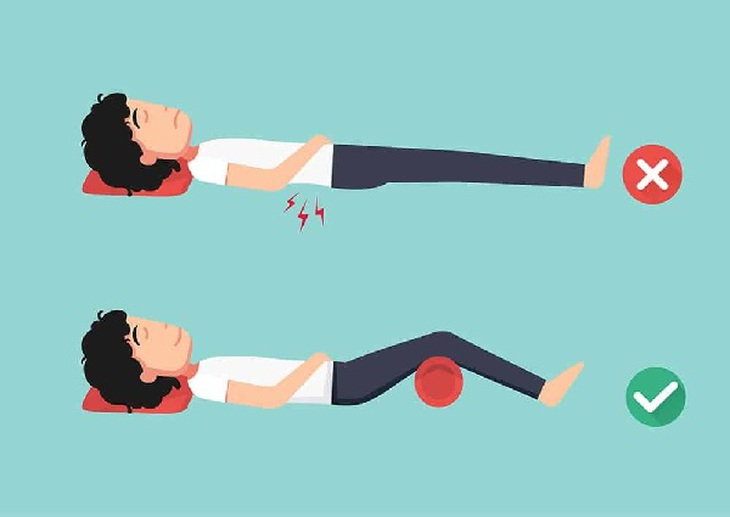
Consider placing a pillow under your knees to support your lower back.
-
If you snore or have sleep apnea, ask your healthcare provider whether another sleeping position may be better.
If You Sleep on Your Stomach
-
Use a thin pillow—or no pillow if comfortable—to reduce neck strain.
-
Consider gradually transitioning to side sleeping if chronic neck or back pain develops.
Common Myths About Sleeping Position
Myth 1: Your Sleeping Position Reveals Your Personality
There is no strong scientific evidence that sleeping position can accurately determine personality traits.
Myth 2: Everyone Should Sleep in the Same Position
Different sleeping positions may work better for different individuals depending on their health, comfort, and medical conditions.
Myth 3: Sleeping on Your Back Is Always Best
While back sleeping may benefit spinal alignment for some people, it can worsen snoring and obstructive sleep apnea in others.
Myth 4: Sleeping on Your Stomach Is Always Harmful
Although stomach sleeping may contribute to neck discomfort, not everyone who sleeps this way develops pain or injury.
When Should You Talk to a Healthcare Professional?
Consider discussing your sleep with a healthcare provider if you experience:
-
Loud chronic snoring
-
Pauses in breathing during sleep
-
Frequent morning headaches
-
Persistent neck or back pain after sleeping
-
Excessive daytime sleepiness
-
Difficulty staying asleep
-
Symptoms of acid reflux that disrupt sleep
These issues are generally much more important than what your sleeping position may—or may not—say about your personality.
Final Thoughts
The idea that your sleeping position reveals your personality is fascinating, but current scientific evidence does not support using sleep posture as a reliable way to understand personality traits. While small observational studies have suggested possible associations, the findings are inconsistent and far from conclusive.
What is much more certain is that your sleeping position can influence your physical health. Choosing a position that supports comfortable breathing, minimizes pain, and promotes restful sleep is likely to have a far greater impact on your well-being than any supposed connection to personality. If your sleeping position causes persistent discomfort or your sleep is regularly disrupted by snoring, reflux, or breathing problems, it's worth discussing these concerns with a healthcare professional.