Chapter 1: What Exactly Is the Meat in the Photograph?
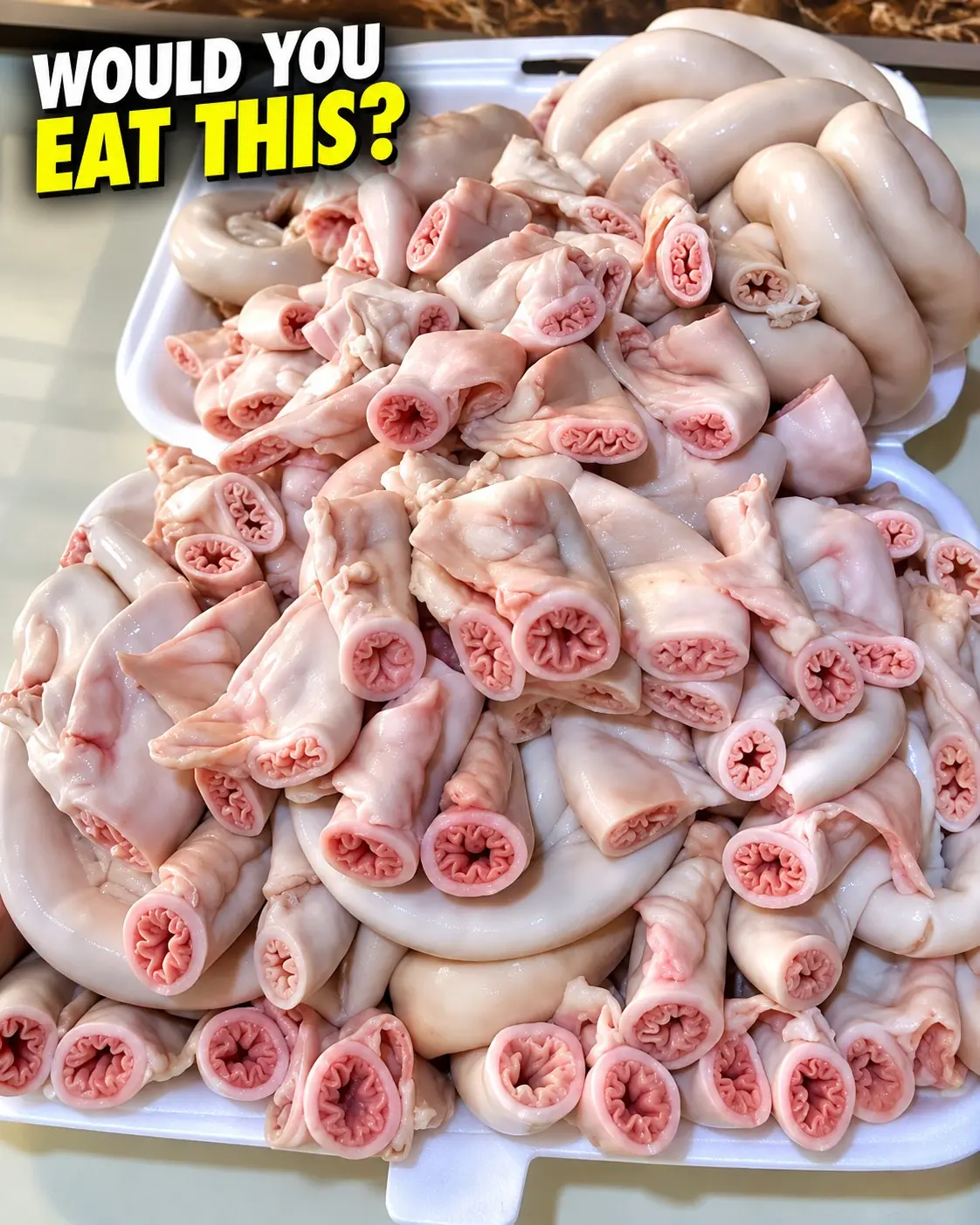
The photograph may look unusual, especially to people who are accustomed to buying familiar cuts such as pork chops, chicken breast, or beef steak. Instead of neatly sliced pieces of muscle, the image shows dozens of pale, tubular pieces with folded interiors and rounded openings.
These features are consistent with cleaned animal intestines, commonly sold as edible offal. In many food markets, similar products are known as pork intestines, chitterlings, or other regional names.
But there is one important distinction: a photograph alone cannot establish exactly which animal these particular pieces came from. Their appearance is not enough to prove that they are pork, beef, or another type of meat.
The headline's suggestion that supermarkets are secretly selling a particular kind of meat is therefore not supported by the photograph.
What are animal intestines?
Intestines are part of an animal's digestive system. They are responsible for moving food through the digestive tract and absorbing nutrients, depending on the section of the intestine.
After an animal is slaughtered for food, certain internal organs can be collected, inspected, cleaned, processed, and sold for human consumption. These edible organs are generally grouped under the term offal.
Offal includes many different products, such as:
-
Liver
-
Kidneys
-
Heart
-
Tongue
-
Stomach
-
Intestines
-
Other edible internal organs
Intestines are not necessarily waste. They have been used as food in different cultures for generations.
The US Centers for Disease Control and Prevention (), for example, specifically identifies chitterlings as pork intestines. They are traditionally prepared in certain communities and are also used in a variety of regional dishes.
An example of pig intestines prepared as an edible food product. This is a reference photograph, not confirmation of the species shown in the supplied image.
Why do the pieces look so unusual?
The intestine is naturally a long, flexible tube. Depending on the section, it may have a relatively narrow diameter or a thicker, more folded structure.
When cut into shorter sections, its interior becomes visible. The inner surface contains natural folds and tissue structures, which can create the unusual patterns seen in the supplied photograph.
The pale appearance may also be influenced by cleaning, processing, storage, and the amount of fat or connective tissue remaining.
This appearance can surprise shoppers who have never purchased offal before. However, it does not automatically mean that the product is artificial, contaminated, or made from an unknown animal.
Are these products legally sold in supermarkets?
In many countries, edible animal organs are legitimate food products when they come from approved sources and meet applicable inspection and food-safety requirements.
In the United States, the Food and Drug Administration explains that meat regulation is shared between federal agencies, with the USDA's Food Safety and Inspection Service responsible for many commonly consumed livestock and poultry species.
The rules differ between countries, so shoppers should follow the food-labeling and inspection requirements applicable where they live.
The important issue is not whether a product looks unusual. It is whether the product has been properly identified, handled, inspected, and stored.
A supermarket selling clearly labeled pork intestines is not necessarily deceiving customers. It is selling a traditional edible product.
The real concern would be a seller misrepresenting the animal species, concealing the product's origin, or offering meat that does not meet food-safety requirements.
Chapter 2: Why Intestines Are Sold as Food Around the World
Many people associate meat with muscle cuts, but traditional cuisines have long made use of more than just steaks and fillets.
Intestines, stomach, liver, and other organs appear in recipes across Asia, Europe, Africa, and the Americas. In some communities, these foods are everyday ingredients. In others, they are associated with celebrations, family gatherings, or traditional recipes.
What one person considers unfamiliar may be another person's favorite dish.
A long culinary tradition
Using edible organs is not a new trend.
Historically, making use of different parts of an animal helped families avoid wasting food. When meat was expensive or difficult to obtain, using organs and other edible tissues made practical sense.
Over time, these ingredients became part of regional food cultures.
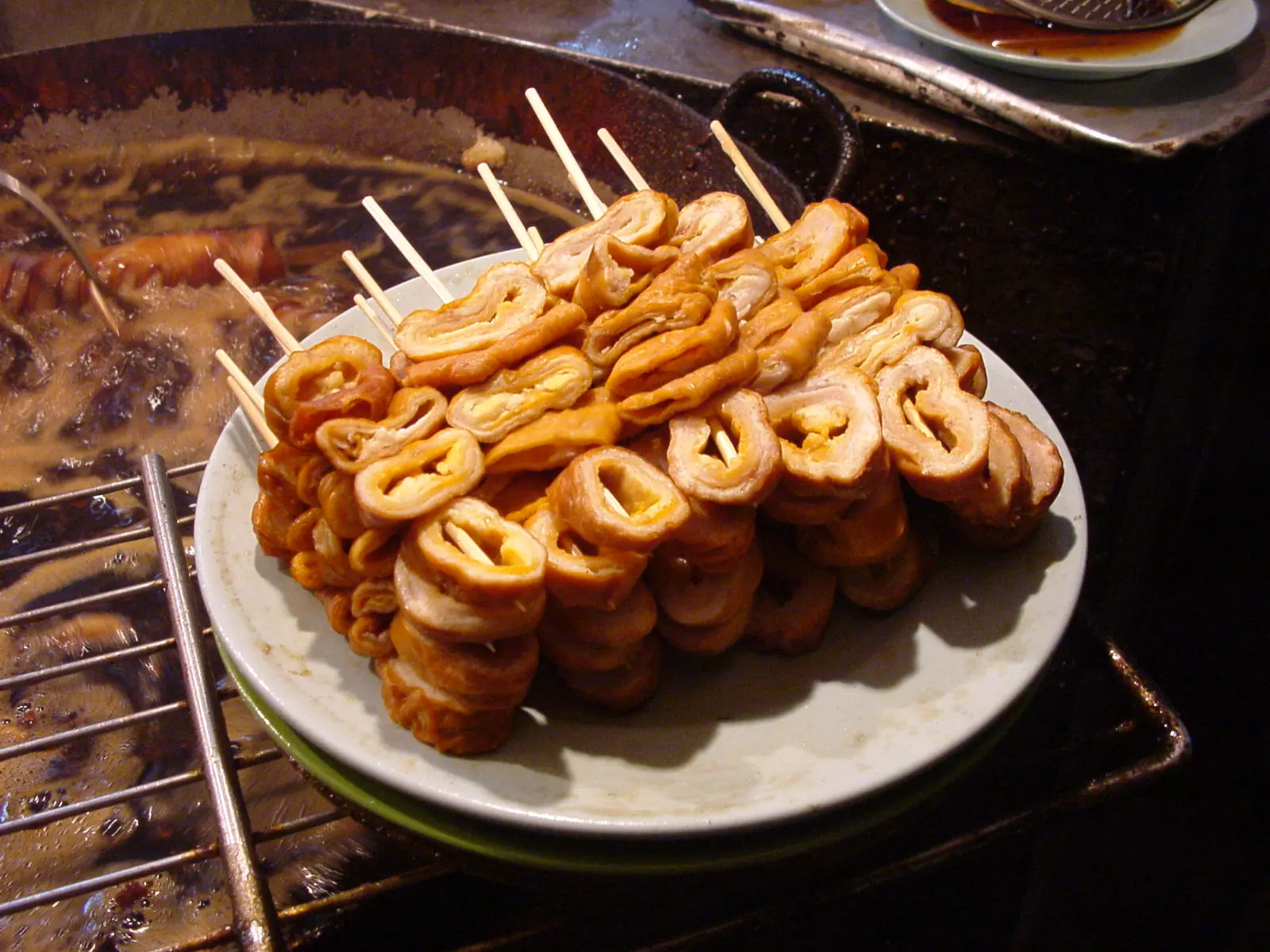
In China and other parts of East Asia, pork intestines are used in braised dishes, soups, stir-fries, and grilled preparations.
In Korea, certain types of intestines are popular in grilled dishes. In Thailand, pork offal may appear in spicy salads and other traditional recipes.
In parts of Europe, intestines have also been used as ingredients and as natural casings for sausages.
The culinary traditions are diverse, and the exact ingredients and preparation methods vary.
Small intestine and large intestine are not identical
One reason intestines can look different from one product to another is that they may come from different sections of the digestive tract.
Small intestines are generally narrower, while large intestines tend to have a wider structure.
The texture, thickness, and amount of fat can also differ.
These differences affect how the ingredients are prepared.
Some cooks prefer thin intestines for quick cooking, while thicker sections may be simmered for longer periods to soften their texture.
The US Environmental Protection Agency's technical documentation on meat processing describes the use of hog small intestines as chitterlings and large intestines for natural sausage casings.
Why some people enjoy eating them
Intestines have a distinctive texture that is difficult to compare with ordinary muscle meat.
Depending on the preparation, they may become tender, chewy, or slightly crisp on the outside.
Their flavor is also strongly influenced by cleaning, seasoning, and cooking techniques.
Popular methods include: