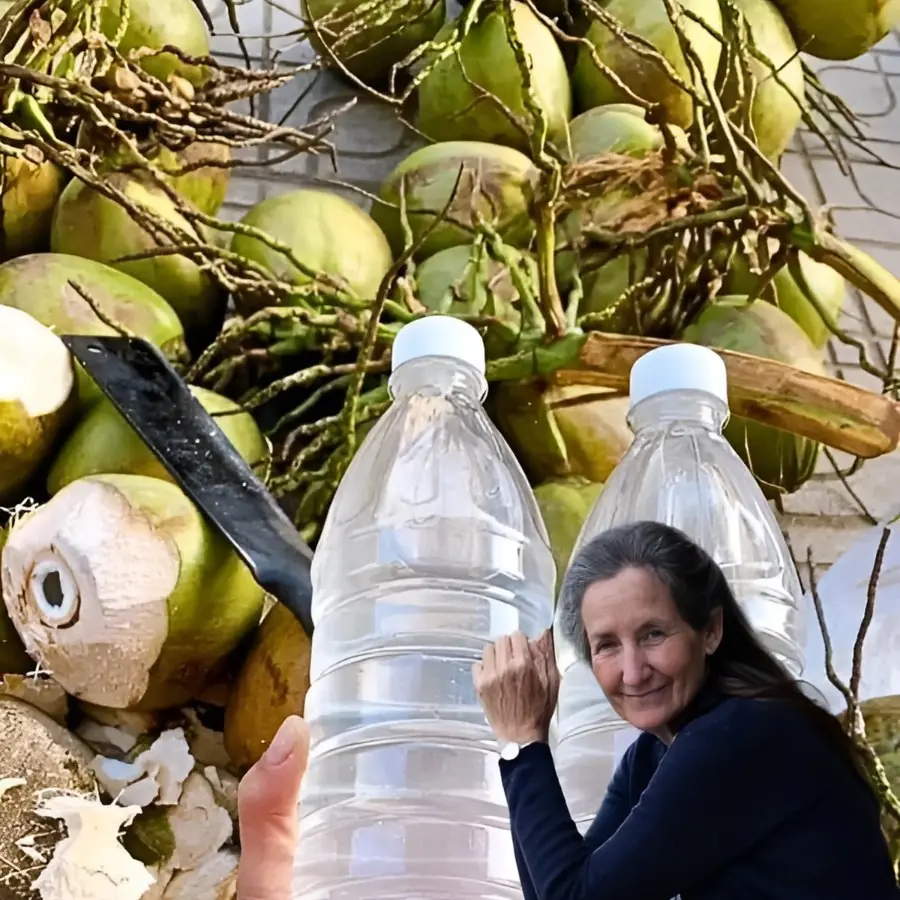
1. It’s Not a Miracle Sports Drink for Everyone
- Electrolyte Balance: Coconut water does contain beneficial electrolytes (potassium, magnesium, sodium in smaller amounts) and can help with mild dehydration.
- Compare to Sports Drinks: Commercial sports drinks typically have a precise ratio of electrolytes to replace what’s lost during intense exercise, as well as extra sodium. Coconut water’s electrolyte balance is more variable—it may or may not meet your rehydration needs if you’re a heavy sweater or endurance athlete.
- Moderate Use: If you sweat a lot (during long-distance running, for instance), you might need additional sodium sources to fully replenish electrolytes.
2. Watch Out for Sugar Content
- Natural Sugars: Coconut water is lower in sugar than many sodas or fruit juices, but it still contains natural sugars. A typical 11–12 oz (330–350 ml) serving can have around 10–15 grams of sugar.
- Daily Intake: If you’re trying to limit overall sugar intake—especially for conditions like diabetes or metabolic syndrome—consider portion sizes. The carbs can add up if you drink multiple cartons a day or if the brand has added sweeteners.
- Check Labels: Some “flavored”
3. High
- Potassium Benefits: Many of coconut wa
- Caution for Kidney & Heart Issues: Iexcess potassiu
- Moderation Is Key: In healthy individuals, moderate
4. It May Not Be
- Allergies or Sensitivities: Although rare, some individuals can
- Gastrointestinal Effects: Large amounts o
- Medication Interactions: Check with a heal
5. Fresh vs. Packaged: Quality Matters
- Fresh Coconut Water: Ofte
- Packaged Varieties: Can be convenient, but some brands use heat pasteurization or add p
- Storage: Even fr
6. It’s Not a One-Size-Fits-All Health Tonic
- Hydration Strategy: Coconut water can be part of a healthy hydration plan, but it shouldn’t replace plain water entirely—especially if you’re monitoring sugar or calorie intake.
- Overall Diet: If you’re looking for more robust electrolyte replacement or specific nutrient targets, consult a dietitian. They can help tailor your intake of coconut water (or other beverages) to your unique needs.
- Beware of Overhype: Claims that coconut water “cures” serious health conditions are not backed by scientific consensus. Enjoy it as a refreshing beverage, not a medical treatment.
7. Practical Tips
- Check Serving Sizes: Sip smaller amounts if you’re watching calories or sugars.
- Combine with Other Healthy Foods: Pair coconut water with balanced meals—lots of veggies, fruits, lean proteins, and whole grains.
- Try Different Brands or Fresh Sources: Flavor and sweetness can vary widely. You might prefer certain types or levels of natural sweetness.
- Store Properly: Once opened, keep refrigerated and use quickly—packaged coconut water can spoil after a few days in the fridge.