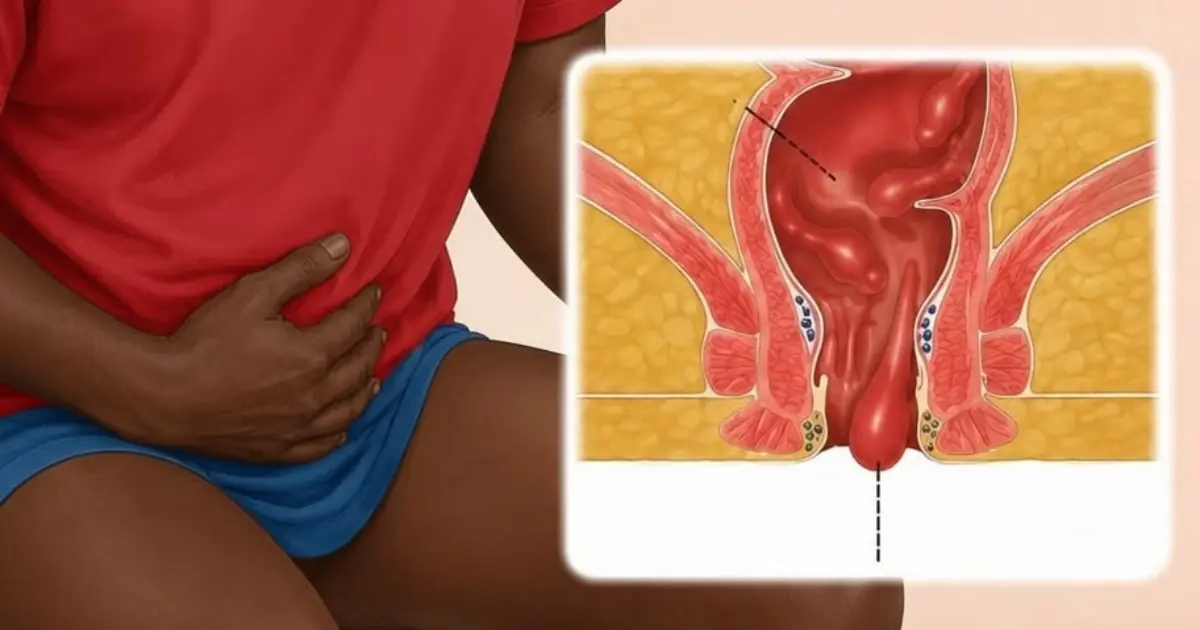
Doctors Warn: Three Types of Eggs That May Harm Your Health If Prepared the Wrong Way
Some egg dishes can pose risks when prepared improperly or stored badly.
⏱️ 1 min read 16/08/2026 22:36
In many cases, the condition develops gradually and silently, often causing few or no symptoms during its early stages.
The liver is responsible for hundreds of essential functions, including filtering toxins, processing nutrients, producing bile, regulating blood sugar, and supporting metabolism. When fat begins to build up in the liver, these important processes can be affected over time.
One of the biggest challenges with fatty liver disease is that many people do not realize they have it until routine blood tests or imaging scans reveal a problem. However, as the condition progresses, certain warning signs may begin to appear.
Recognizing these symptoms early can help individuals seek medical advice and make lifestyle changes that may improve liver health.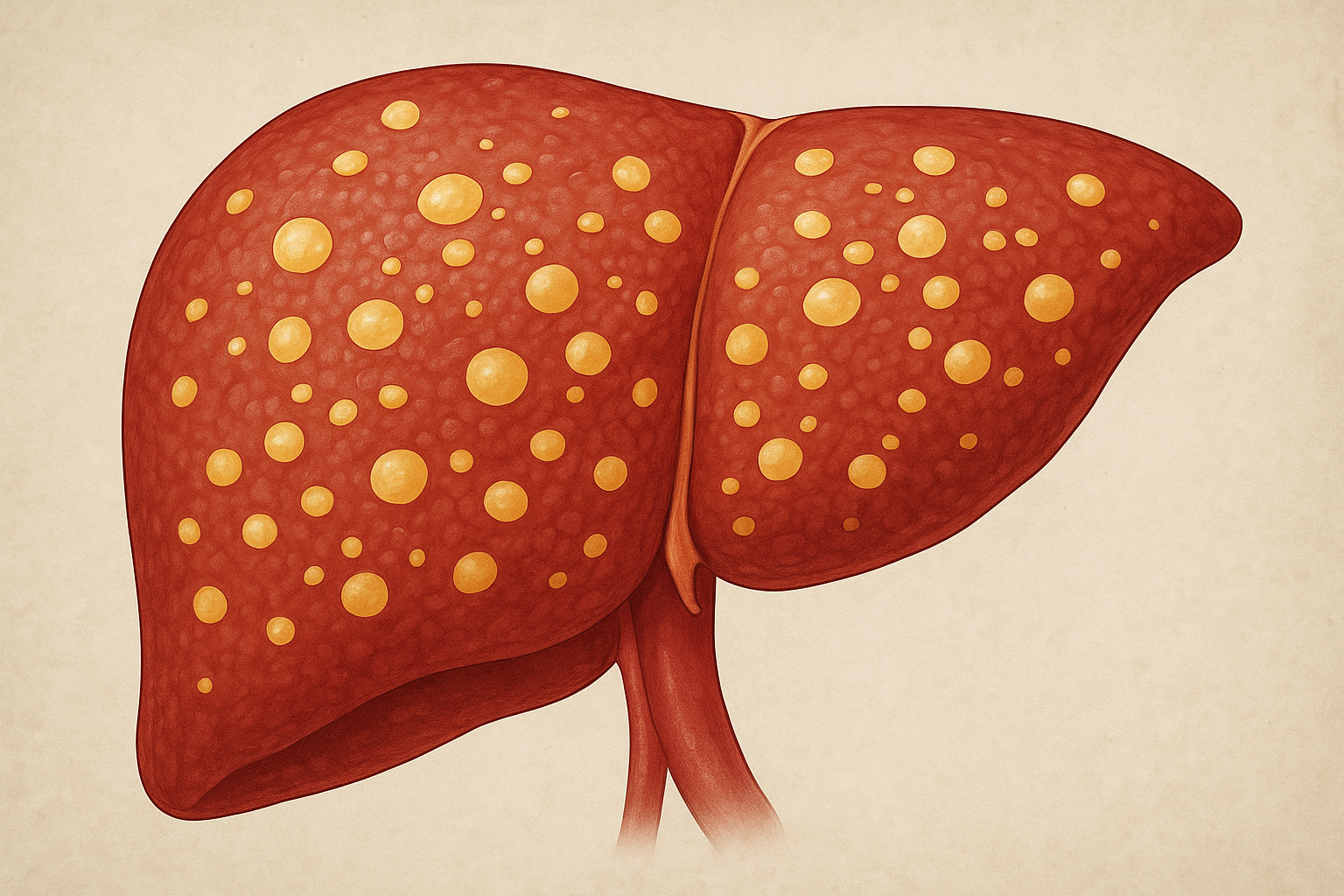
Fatty liver disease occurs when too much fat accumulates within liver cells.
There are two primary forms:
This type occurs in people who drink little or no alcohol.
It is often associated with:
Obesity
Type 2 diabetes
High cholesterol
High blood pressure
Metabolic syndrome
This form results from excessive alcohol consumption.
Both types can lead to inflammation, liver damage, and potentially serious complications if left untreated.
One of the most common symptoms reported by people with fatty liver disease is ongoing fatigue.
Unlike normal tiredness that improves after rest, this fatigue may feel:
Constant
Unexplained
Draining
Difficult to overcome
Researchers believe liver dysfunction may affect energy metabolism and contribute to feelings of exhaustion.
Because fatigue is common in many conditions, it is often overlooked as a possible sign of liver problems.
The liver is located in the upper right portion of the abdomen beneath the rib cage.
As fat accumulates and the liver enlarges, some individuals may experience:
Pressure
Fullness
Dull aching pain
General discomfort
The pain is often:
Mild to moderate
Persistent
Located below the right ribs
Although not everyone experiences this symptom, ongoing discomfort in this area deserves attention.
While obesity increases the risk of fatty liver disease, unexplained weight loss can sometimes occur in more advanced cases.
Some individuals notice:
Reduced appetite
Early fullness after eating
Unintentional weight loss
Unexpected changes in body weight should always be discussed with a healthcare provider, particularly when accompanied by other symptoms.
Many individuals with fatty liver disease report a general feeling of weakness.
They may notice:
Reduced endurance
Difficulty exercising
Muscle weakness
Lack of motivation
The liver plays a central role in storing and distributing energy.
When liver function becomes impaired, energy regulation throughout the body may be affected.
Some people with liver problems describe experiencing "brain fog."
This may include:
Difficulty concentrating
Memory lapses
Mental fatigue
Slower thinking
Researchers continue to study the connection between liver health and cognitive function.
Inflammation and metabolic changes associated with liver disease may contribute to these symptoms in some individuals.
Although elevated liver enzymes are not a symptom a person can feel, they are one of the most important warning signs.
Many people discover fatty liver disease only after routine blood tests reveal abnormalities.
Doctors often evaluate:
ALT (Alanine Aminotransferase)
AST (Aspartate Aminotransferase)
Elevated levels may indicate liver inflammation or damage.
Because fatty liver disease often produces few symptoms, regular health screenings are extremely important.
As fatty liver disease progresses, additional symptoms may develop.
These can include:
Swelling in the abdomen
Swelling in the legs and ankles
Yellowing of the skin or eyes (jaundice)
Easy bruising
Itchy skin
Dark urine
These symptoms may indicate more serious liver damage and require prompt medical evaluation.
Several factors increase the likelihood of developing fatty liver disease.
Excess body fat, especially around the abdomen, is one of the strongest risk factors.
Insulin resistance is closely linked to fat accumulation in the liver.
Abnormal blood lipid levels can contribute to fatty liver development.
Lack of physical activity increases the risk of metabolic disorders.
Diets high in:
Added sugars
Refined carbohydrates
Processed foods
may contribute to liver fat accumulation.
Alcohol places significant stress on liver cells and can promote fat buildup.
Many individuals with fatty liver disease feel completely healthy.
In fact, some people live with the condition for years before receiving a diagnosis.
Because symptoms may be absent or mild, routine medical care becomes especially important.
Healthcare providers often detect fatty liver disease through:
Blood tests
Ultrasound examinations
CT scans
MRI scans
Early identification allows for earlier intervention.
In many cases, early-stage fatty liver disease can improve significantly through lifestyle changes.
Even modest weight loss may reduce liver fat.
Physical activity helps improve insulin sensitivity and metabolic health.
A diet rich in:
Vegetables
Fruits
Whole grains
Lean proteins
Healthy fats
can support liver function.
Reducing or eliminating alcohol intake may help protect the liver.
Proper control of diabetes, cholesterol, and blood pressure can reduce liver stress.
Although no single food can cure fatty liver disease, certain dietary choices may support overall liver function.
Examples include:
Spinach
Kale
Arugula
Salmon
Sardines
Mackerel
Rich in antioxidants that help protect cells.
Provide healthy fats and beneficial nutrients.
Research suggests moderate coffee consumption may be associated with improved liver health in some individuals.
Medical evaluation is recommended if you experience:
Persistent fatigue
Ongoing abdominal discomfort
Unexplained weight changes
Weakness
Cognitive difficulties
Yellowing of the skin or eyes
Early diagnosis often provides the greatest opportunity for successful management.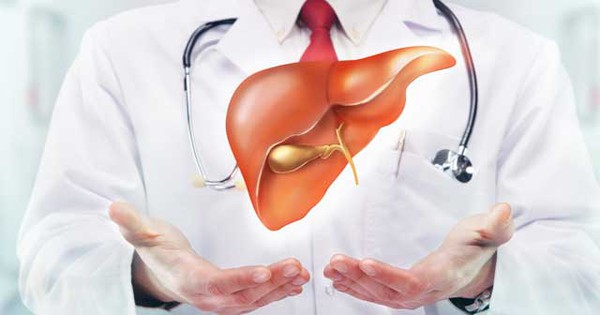
Fatty liver disease is increasingly common, yet many people remain unaware they have it because symptoms often develop slowly or remain absent for years. Persistent fatigue, upper abdominal discomfort, unexplained weight changes, weakness, brain fog, and elevated liver enzymes are among the warning signs that deserve attention.
The good news is that lifestyle changes can often make a significant difference, especially when the condition is identified early. By maintaining a healthy weight, staying physically active, eating a balanced diet, limiting alcohol, and attending regular health checkups, individuals can take important steps toward protecting their liver and supporting long-term health.
Because the liver works quietly behind the scenes every day, paying attention to even subtle warning signs can help ensure it continues performing its vital functions for years to come.
Some egg dishes can pose risks when prepared improperly or stored badly.
Cassava feeds millions worldwide, yet improper preparation can be risky.
This precious vegetable can ease joint and bone pa:in — yet most people pull it out without knowing its value
Do You Always Need the Bathroom After a Meal? Read This
Doctors Reveal What Happens When You Make This Common Shower Habit Part of Your Routine.
Doctors Warn: These 4 Bathroom Signs May Appear Before Colon Can.cer.
Long before humans invented written alphabets, digital messaging, or spoken languages that crossed tribal borders, we had a universal communication tool built right into our bodies: our hands.
Don’t Ignore These 20 Early Warning Signs That Your Body Could Be Fighting Can:cer
Waking with a dry mouth may reveal hidden health issues at night.
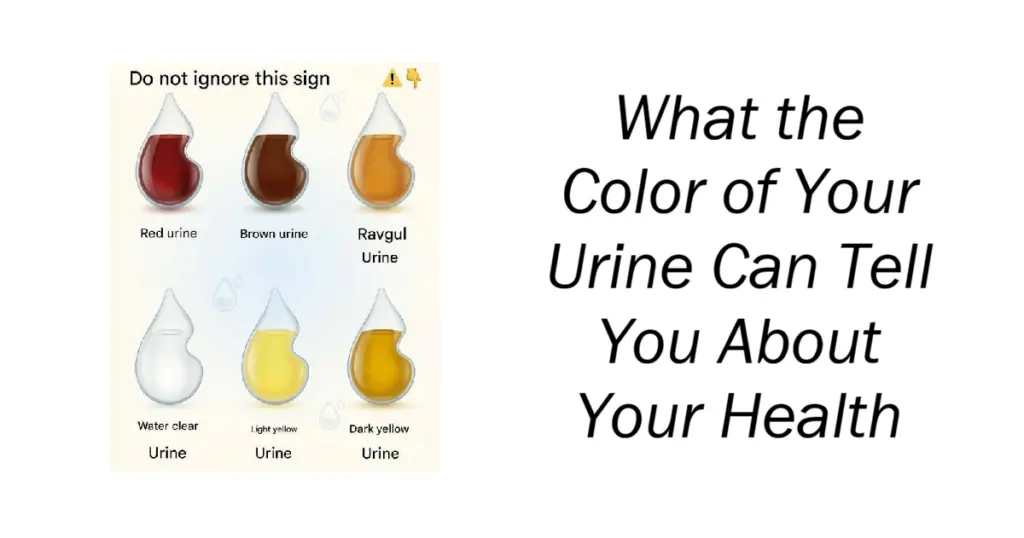
When it comes to monitoring our health, we often pay attention to major symptoms like headaches, fatigue, or fever. However, one of the easiest and most overlooked diagnostic tools is something we see every single day: the color of our urine.






It may not be as harmless as you think.

Some egg dishes can pose risks when prepared improperly or stored badly.
Cassava feeds millions worldwide, yet improper preparation can be risky.
This precious vegetable can ease joint and bone pa:in — yet most people pull it out without knowing its value
Do You Always Need the Bathroom After a Meal? Read This
Doctors Reveal What Happens When You Make This Common Shower Habit Part of Your Routine.
Doctors Warn: These 4 Bathroom Signs May Appear Before Colon Can.cer.
The Judge Notices Something Strange on the Screen
Long before humans invented written alphabets, digital messaging, or spoken languages that crossed tribal borders, we had a universal communication tool built right into our bodies: our hands.
Don’t Ignore These 20 Early Warning Signs That Your Body Could Be Fighting Can:cer
Waking with a dry mouth may reveal hidden health issues at night.
Doctors Reveal How Often You Should Really Change Your Underwear
When it comes to monitoring our health, we often pay attention to major symptoms like headaches, fatigue, or fever. However, one of the easiest and most overlooked diagnostic tools is something we see every single day: the color of our urine.
This common end-of-life sign is often misunderstood by families.