Finding a snake in your garden can be frightening, especially if you have children, pets, or frequently spend time outdoors. Although most snakes prefer to avoid humans, they may occasionally enter residential yards in search of shelter, food, water, or a suitable place to regulate their body temperature.
The surprising part is that the plants you carefully choose to make your garden look attractive may unintentionally provide excellent hiding places.
This does not mean that certain plants automatically attract snakes. Snakes are not generally drawn to a particular flower or leaf simply because of its smell or appearance. Instead, they respond to environmental conditions. Dense vegetation, cool shaded spaces, piles of fallen leaves, and the presence of rodents or frogs can make an area more attractive to them.
Some common garden plants create exactly these conditions.
Here are five types of plants that may provide suitable hiding places for snakes, along with practical ways to keep your garden attractive while reducing the chances of unwanted encounters.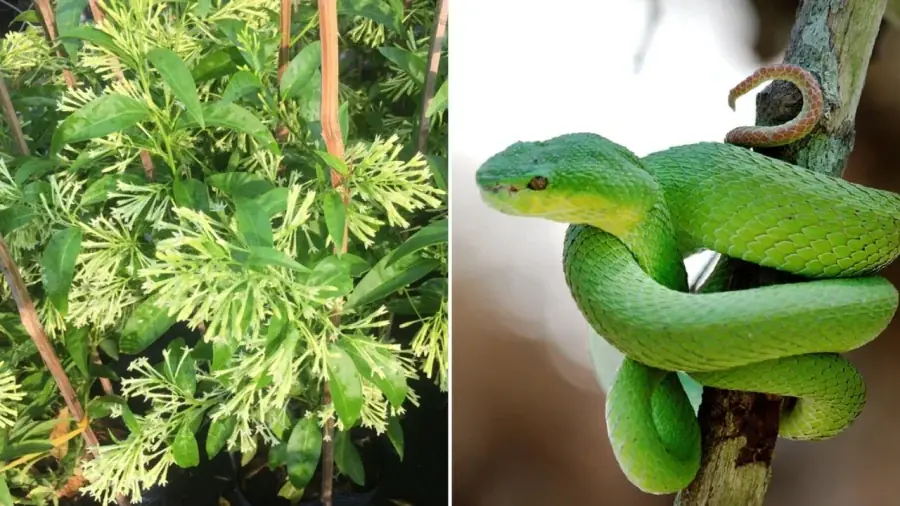
1. Ivy and Other Dense Ground-Covering Plants
Ivy is a popular choice among homeowners because it grows quickly, covers bare soil, and creates an attractive green carpet. It can climb walls, spread across fences, and fill empty spaces beneath trees and shrubs.
However, its dense growth can also create sheltered areas that are difficult to inspect.
When ivy spreads across the ground, its overlapping leaves and tangled stems can conceal small animals, insects, and objects underneath. The soil below may remain shaded and relatively cool, especially during hot weather.
These conditions can provide snakes with places to rest or move without being easily noticed.
Ground-covering plants are particularly problematic when they grow unchecked around garden borders, stone walls, outdoor storage areas, or the foundations of a house.
A snake moving through such vegetation may remain hidden even when someone is standing only a short distance away.
Ivy-covered areas can also provide shelter for rodents. Mice and other small mammals may use thick vegetation as protection while searching for food. Since many snake species feed on rodents, the presence of these animals can indirectly make a garden more attractive to certain snakes.
How to manage these plants:
You do not necessarily need to remove all ivy or ground cover from your property. Instead, keep it under control.
-
Trim excessive growth regularly.
-
Avoid allowing ivy to form thick, tangled layers near doors and walkways.
-
Maintain visible borders around the house.
-
Remove accumulated leaves and debris beneath dense ground cover.
-
Inspect areas where vegetation meets walls, sheds, and fences.
If ivy has become extremely thick, consider thinning it out or replacing some sections with lower-growing plants that are easier to maintain.
The goal is to reduce hidden spaces without sacrificing the appearance of your garden.
2. Ornamental Grasses and Tall Decorative Plants
Ornamental grasses are widely used in landscaping because they add movement, texture, and visual interest. Varieties such as fountain grass, pampas grass, and other tall ornamental grasses can make a garden look more natural and attractive.
Unfortunately, when these plants grow into large, dense clumps, the space beneath their leaves can become difficult to inspect.
The long blades overlap and create shaded areas near the soil. Older leaves may also accumulate around the base, forming layers of dry plant material.
For some snakes, this type of environment can provide temporary shelter from direct sunlight, predators, and human activity.
The problem is especially noticeable when ornamental grasses are planted close together. Instead of several individual plants with open spaces between them, homeowners may end up with one continuous mass of vegetation.
A snake can move through these spaces while remaining almost completely hidden.
Tall grasses may also provide cover for rodents, lizards, and frogs, depending on the surrounding environment. These animals can become potential food sources for snakes.
This does not mean that ornamental grasses should never be planted. It simply means that their placement and maintenance matter.