The idea is not to eliminate vertical greenery but to prevent it from becoming a dense, unmanaged layer that conceals everything underneath.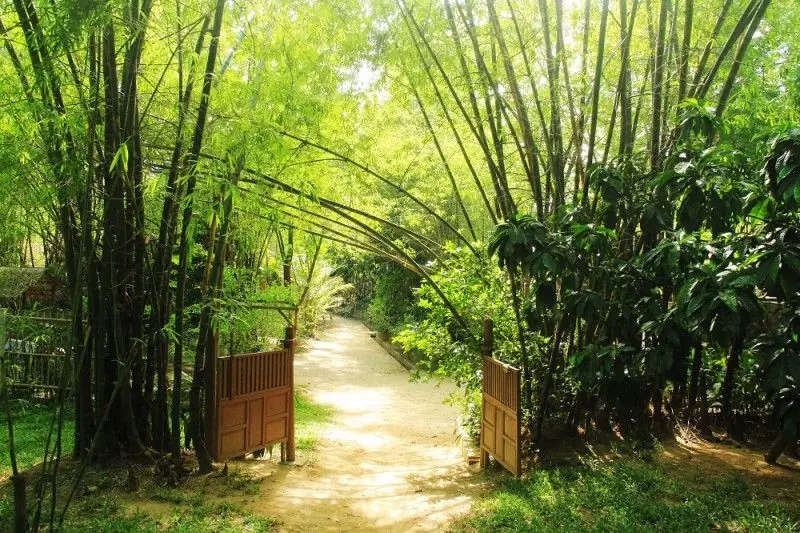
5. Dense Flower Beds and Overgrown Vegetable Gardens
Flower beds and vegetable gardens can provide excellent growing conditions for many small animals.
They often contain rich soil, regular watering, organic mulch, compost, and a variety of plants growing close together.
These features are beneficial for gardening, but they can also create an environment where wildlife finds food and shelter.
For example, a vegetable garden may attract insects, slugs, frogs, and small rodents. Some snakes feed on these animals, depending on the species.
A thick flower bed may also contain shaded areas beneath leaves and stems, particularly when plants are crowded together.
When vegetables such as pumpkins, squash, or cucumbers spread across the soil, their broad leaves can create covered spaces that are difficult to inspect.
The same can happen with densely planted flowers, especially when dead leaves and weeds accumulate around the base.
A garden that is watered frequently may also provide cooler, more humid conditions than the surrounding dry ground. During hot weather, some wildlife may use these areas to avoid excessive heat.
Again, the important distinction is that the plants do not directly attract snakes. Rather, the overall garden environment may support the animals that snakes hunt or provide shelter that snakes can use.
How to maintain a safer vegetable or flower garden:
-
Avoid planting everything too closely together.
-
Remove weeds and dead leaves regularly.
-
Keep pathways clear and easy to inspect.
-
Store compost in appropriate enclosed containers.
-
Harvest fallen fruit and vegetables instead of leaving them on the ground.
-
Control rodent activity by removing accessible food sources.
-
Keep garden tools and unused containers organized.
If you use mulch, remember that thick layers can conceal small animals and make visual inspections more difficult. Choose an appropriate depth for your plants and avoid allowing mulch to accumulate against the house.
A tidy vegetable garden can remain productive and attractive without creating unnecessary hiding places.
Why Snakes May Enter Your Garden in the First Place
Understanding why snakes enter residential gardens is just as important as knowing which plants may provide shelter.
Snakes are cold-blooded reptiles, meaning they rely on external environmental conditions to regulate their body temperature. They may move between sunny and shaded areas throughout the day depending on the weather and their biological needs.
A garden that offers several different microhabitats can therefore provide useful conditions.
However, shelter is only one part of the picture.
Food Is One of the Main Attractions
Many snakes are predators. Depending on the species, they may feed on mice, rats, frogs, lizards, insects, eggs, or other small animals.
If your garden has a rodent problem, it may also become more attractive to snakes that hunt rodents.
Bird feeders can sometimes contribute indirectly to this problem. Spilled seeds may attract mice and other small mammals, especially when food accumulates beneath feeding stations.
Pet food left outside overnight can have a similar effect.
Keeping food sources under control is therefore an important part of reducing wildlife activity around your home.
Water and Moisture Can Create Suitable Conditions
Snakes need water, and certain species may spend time near damp environments.
Overwatered garden beds, leaking outdoor taps, poorly drained areas, and decorative ponds can attract frogs and other small animals.
These features do not guarantee that snakes will appear, but they may contribute to an environment that supports their prey.
Repairing leaks and improving drainage can help make the area less attractive to unwanted wildlife.
However, gardens should still receive the water necessary for healthy plant growth. The objective is to avoid unnecessary standing water and excessive moisture rather than eliminate watering altogether.
Hiding Places Offer Protection
Snakes often avoid unnecessary contact with humans.
They may use spaces beneath rocks, logs, thick vegetation, outdoor equipment, and other objects to remain concealed.
A garden with numerous undisturbed hiding places can provide opportunities for snakes to move and rest without being exposed.
This is why vegetation management should be combined with general yard maintenance.
Other Garden Features That May Attract Snakes
Plants are only one part of the outdoor environment. Several non-plant features can also provide shelter or attract potential prey.