Woodpiles: Stacked firewood creates many narrow spaces where small animals can hide. Store wood on a raised rack and keep it away from the house when practical.
Rock piles: Loose stones and gaps between rocks can provide shelter for reptiles and other wildlife. Keep decorative rock areas organized and avoid unnecessary piles near entrances.
Compost heaps: Compost may attract insects, rodents, and other small animals. Use a suitable enclosed compost system and avoid allowing food waste to remain exposed.
Unused containers: Flowerpots, buckets, boards, and garden equipment can create concealed spaces, especially when left directly on the ground.
Long grass: Unmowed areas can reduce visibility and provide cover for small animals.
Cluttered sheds: Storage spaces with gaps, boxes, and undisturbed corners can offer potential hiding places.
The more organized your outdoor space is, the easier it becomes to notice unusual animal activity.
How to Make Your Garden Less Attractive to Snakes Without Removing Every Plant
Many homeowners assume that the only solution is to remove dense plants or redesign the entire garden.
Fortunately, this is usually unnecessary.
You can preserve most of your landscaping while making the environment easier to inspect and less suitable for unwanted hiding places.
1. Maintain Clear Borders Around Your Home
Keep vegetation trimmed around the foundations, entrances, and frequently used outdoor areas.
A visible strip of maintained ground makes it easier to notice animals moving near the building.
Avoid allowing shrubs, vines, and ground cover to grow directly against every wall or outdoor structure.
2. Mow the Lawn Regularly
Long grass can make it difficult to see snakes and other animals.
Regular mowing improves visibility and makes it easier to inspect the ground.
Pay particular attention to areas near fences, sheds, compost bins, and garden borders.
3. Remove Unnecessary Clutter
Unused boards, old furniture, piles of bricks, and discarded garden materials can provide shelter for small animals.
Remove items that are no longer needed and store essential equipment properly.
If you must keep firewood outdoors, use a raised storage rack and avoid placing it directly against the house.
4. Reduce Rodent Activity
Since many snakes feed on rodents, reducing their food supply can help make your property less attractive to certain snake species.
Store animal feed and birdseed in sealed containers.
Clean up spilled food, secure garbage bins, and avoid leaving pet food outdoors overnight.
If you notice signs of rodents, address the problem using appropriate pest-control methods.
5. Inspect the Garden Carefully
Regularly inspect areas where vegetation meets walls, fences, and outdoor structures.
Look for unusual movement, shed snake skins, or signs of small animals.
However, never put your hands into holes, dense plants, woodpiles, or spaces you cannot see into.
Use appropriate tools to move ordinary garden debris only when you can do so safely, and never attempt to handle an animal you suspect is a snake.
What Should You Do If You Find a Snake in Your Garden?
Discovering a snake can be alarming, but your response is extremely important.
The safest approach is to remain calm, keep your distance, and avoid trying to capture or kill it.
Many snakebites occur when people attempt to handle, move, or kill snakes. Even a snake that appears motionless should never be approached casually.
If you see one:
-
Stop moving toward it and maintain a safe distance.
-
Keep children and pets away from the area.
-
Do not attempt to touch, trap, or provoke the snake.
-
Avoid blocking its escape route.
-
Contact a qualified local wildlife handler, animal-control service, or appropriate emergency authority if the snake is in a dangerous location.
If the snake is outside and not threatening anyone, it may leave naturally.
Do not assume that every snake is venomous, but do not assume that an unfamiliar snake is harmless either. Identification from a distance may be difficult, and some dangerous species resemble harmless ones.
If someone is bitten, seek emergency medical attention immediately. Keep the person as calm and still as possible, remove tight jewelry or clothing near the affected area, and follow emergency professionals' instructions.
Do not cut the wound, attempt to suck out venom, apply ice, or use a tourniquet. These actions can cause additional harm.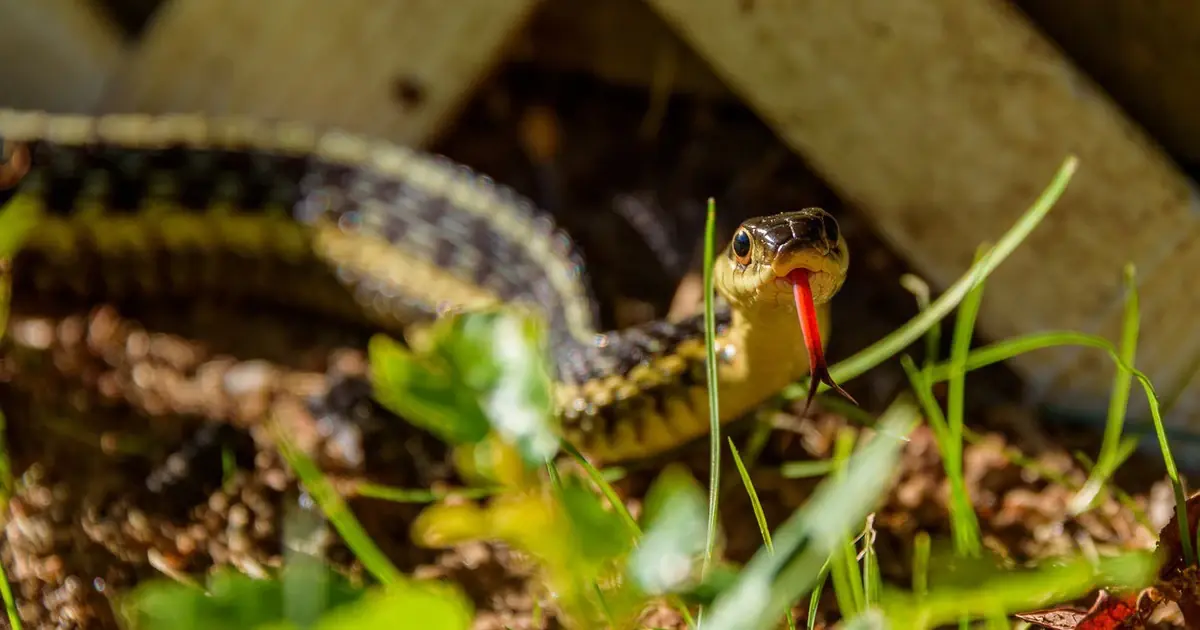
Do Snake-Repellent Plants Really Work?
You may have heard claims that certain plants, herbs, or flowers naturally repel snakes.