12 Warning Signs That May Signal a Brain Aneurysm — Don’t Ignore Them
A brain aneurysm is a potentially life-threatening condition that often develops silently, with little or no warning. It occurs when a weakened area in a blood vessel in the brain bulges outward, creating a balloon-like swelling. While many aneurysms never cause symptoms, others can leak or rupture, leading to bleeding in the brain and a medical emergency that requires immediate treatment. According to the Mayo Clinic, a ruptured brain aneurysm can cause a severe form of stroke known as a subarachnoid hemorrhage.
The challenge is that many people don't recognize the warning signs until it's too late. Understanding these symptoms may help you seek medical attention sooner and potentially prevent serious complications.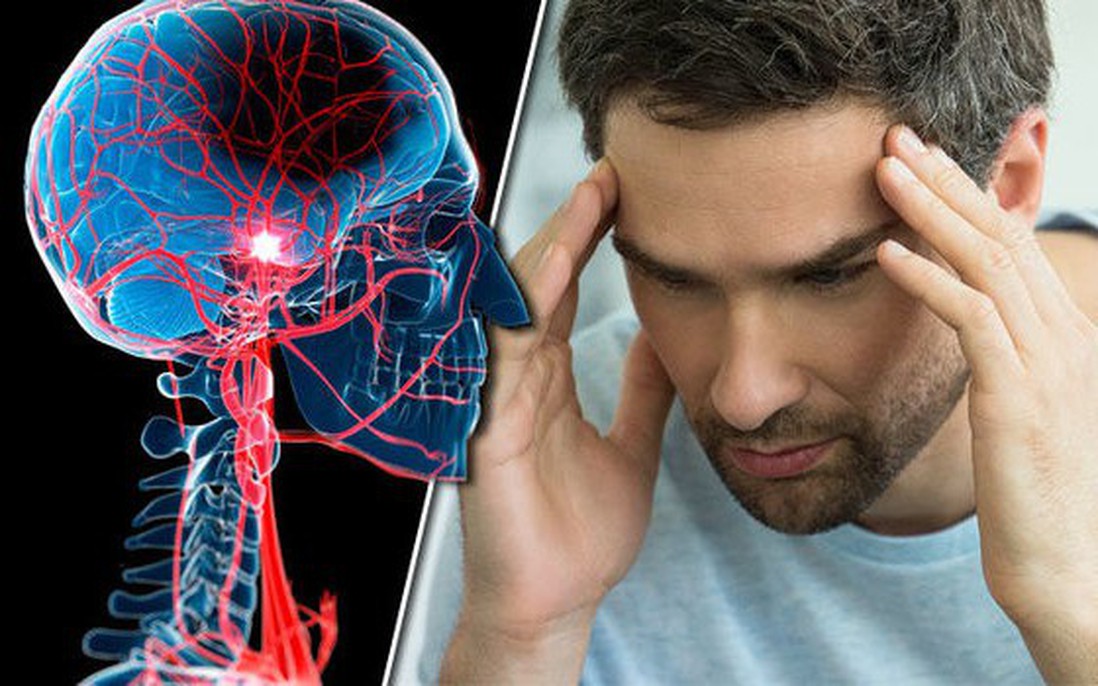
What Is a Brain Aneurysm?
A brain aneurysm, also called a cerebral aneurysm, is a bulge in a weakened section of a blood vessel in or around the brain. In some cases, the aneurysm remains stable and never causes problems. However, if it grows, leaks, or ruptures, it can result in bleeding, brain damage, disability, or even death.
Medical experts emphasize that any sudden neurological symptoms should be taken seriously, especially when they occur together.
1. Sudden, Severe Headache
One of the most important warning signs is a sudden, intense headache often described as "the worst headache of my life." This type of headache can appear without warning and reach maximum intensity within seconds or minutes. It is considered one of the hallmark symptoms of a ruptured aneurysm.
Unlike typical headaches or migraines, this pain is usually overwhelming and may be accompanied by other neurological symptoms.
2. Blurred or Double Vision
Changes in vision can occur when an aneurysm presses on nerves near the eyes. Some people experience blurred vision, double vision, difficulty focusing, or unusual visual disturbances. These symptoms should not be ignored, especially if they appear suddenly.
3. Nausea and Vomiting
Unexpected nausea and vomiting, particularly when combined with a severe headache, may indicate increased pressure within the skull or bleeding around the brain. While nausea can have many causes, its appearance alongside neurological symptoms requires urgent evaluation.
4. Confusion or Difficulty Concentrating
A brain aneurysm can affect cognitive function. Some individuals report sudden confusion, disorientation, memory problems, or difficulty concentrating. Friends and family members may notice these changes before the affected person does.
5. Loss of Balance or Coordination
Difficulty walking, dizziness, stumbling, or loss of coordination may indicate that pressure or bleeding is affecting areas of the brain responsible for movement and balance. These symptoms warrant immediate medical attention when they appear suddenly.
6. Stiff Neck
A stiff neck is a common symptom of a ruptured aneurysm because blood can irritate the tissues surrounding the brain and spinal cord. Neck stiffness accompanied by a sudden headache is considered a particularly concerning combination.
7. Sensitivity to Light
Also known as photophobia, light sensitivity often occurs when bleeding or irritation affects the tissues surrounding the brain. Bright lights may become painful or uncomfortable, especially when combined with headache and neck stiffness.
8. Loss of Consciousness

Fainting or sudden loss of consciousness can occur when a ruptured aneurysm causes bleeding within the brain. This is a medical emergency that requires immediate treatment. Even a brief episode of unconsciousness should never be ignored.
9. Dilated Pupil or Drooping Eyelid
An enlarging aneurysm may compress nearby nerves that control eye movement. This can result in one dilated pupil, a drooping eyelid, or changes in eye appearance. These symptoms may appear before a rupture occurs and should be evaluated promptly.
10. Numbness, Tingling, or Weakness
Sudden weakness, numbness, or tingling—particularly on one side of the body—may resemble symptoms of a stroke. These neurological changes can indicate pressure on brain tissue or disruption of normal blood flow.
11. Unusual Popping Sensation
Although less common, some people report hearing or feeling a sudden popping sensation before experiencing more severe symptoms. While not everyone experiences this warning sign, it has been described by some patients following an aneurysm rupture.
12. Difficulty Speaking or Slurred Speech
Problems finding words, slurred speech, or difficulty communicating can signal a serious neurological event. These symptoms require immediate medical assessment because they may indicate bleeding, stroke, or significant pressure on the brain.
Symptoms of an Unruptured Aneurysm
Not all aneurysms rupture. Some remain unruptured but still cause symptoms by pressing on nearby nerves and brain structures. Possible signs include:
- Persistent headaches
- Pain above or behind one eye
- Blurred or double vision
- Facial numbness
- Drooping eyelid
- Changes in pupil size
These symptoms may develop gradually, making them easy to dismiss. However, they should still be discussed with a healthcare professional.
Risk Factors That May Increase the Chances of a Brain Aneurysm
Several factors may increase the risk of developing a brain aneurysm, including:
- High blood pressure
- Smoking
- Family history of aneurysms
- Certain inherited connective tissue disorders
- Advancing age
- Excessive alcohol consumption
Managing these risk factors may help reduce the likelihood of aneurysm formation or rupture.
When to Seek Emergency Help

Call emergency services immediately if you or someone around you experiences:
- A sudden, severe headache unlike any previous headache
- Loss of consciousness
- Sudden confusion
- Vision changes
- Slurred speech
- Weakness on one side of the body
- Seizures
Rapid treatment can significantly improve outcomes and may save a life. Medical experts consistently emphasize that a suspected ruptured brain aneurysm should always be treated as an emergency.
Final Thoughts
A brain aneurysm can be difficult to detect, but the body often provides warning signs that should not be ignored. While many of these symptoms can be caused by less serious conditions, the combination of sudden neurological changes—especially a severe headache—requires immediate medical attention.
Knowing the signs and acting quickly could make all the difference. If something feels unusual or alarming, it's always safer to seek professional medical evaluation rather than wait for symptoms to worsen.