The colon plays an essential role in maintaining digestive health, yet it is an organ that many people rarely think about until something goes wrong. As part of the large intestine, the colon absorbs water and electrolytes, processes waste, and helps prepare stool for elimination. When its normal function is disrupted, the body may begin showing changes that are easy to dismiss as ordinary digestive discomfort.
Occasional bloating, constipation, or changes in bowel movements are common and do not necessarily indicate a serious illness. However, persistent or unexplained symptoms deserve attention. Certain changes in digestion can be associated with inflammatory conditions, infections, intestinal disorders, polyps, or colorectal cancer.
One important challenge is that colon-related problems do not always cause severe pain or obvious symptoms in their early stages. Some conditions develop gradually, allowing subtle warning signs to continue for weeks or months before a person realizes that something may be wrong.
Recognizing these changes does not mean assuming the worst. Instead, it allows people to seek appropriate medical advice, receive timely testing, and address potential problems before they become more difficult to manage.
Here are 6 potential signs of colon health problems that should not be ignored.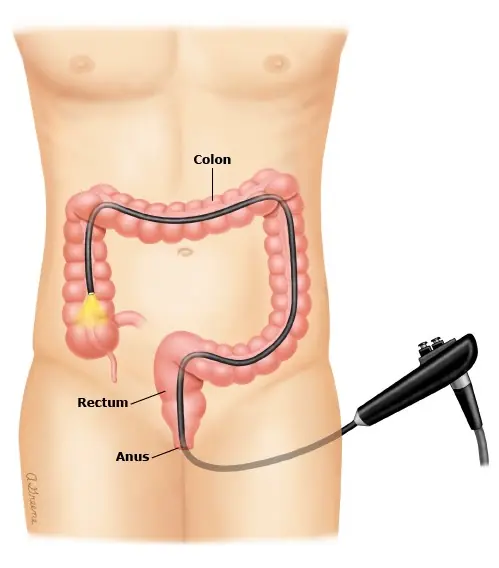
Chapter 1: Persistent Changes in Bowel Habits
One of the most noticeable indicators of a possible colon or digestive problem is a change in normal bowel habits.
Most people have a relatively consistent digestive pattern. Some have bowel movements once a day, while others naturally go more or less frequently. There is no single schedule that is considered normal for everyone. What matters most is whether a person's pattern changes significantly and remains different from their usual routine.
For example, someone who normally has regular bowel movements may suddenly begin experiencing constipation several days a week. Another person may notice frequent loose stools, unexpected urgency, or repeated episodes of diarrhea.
These changes can occur for many reasons, including dietary adjustments, dehydration, stress, medication use, infections, and changes in physical activity. However, when they persist without an obvious explanation, they may indicate an underlying digestive condition.
Constipation that continues for an extended period can sometimes be associated with irritable bowel syndrome, medication side effects, pelvic floor disorders, or other intestinal conditions. In certain situations, a narrowing or blockage in the colon may also interfere with the normal movement of stool.
Persistent diarrhea deserves similar attention. Frequent watery stools can result from infections, food intolerances, inflammatory bowel disease, or problems involving the absorption of nutrients. Long-lasting diarrhea may also lead to dehydration and electrolyte imbalances.
Another important pattern is alternating constipation and diarrhea. Although this can occur in people with irritable bowel syndrome, it should not automatically be attributed to that condition without considering other possible causes.
The duration and accompanying symptoms matter. A brief digestive disturbance after eating unfamiliar food is usually less concerning than a bowel habit change that continues for several weeks, repeatedly returns, or gradually becomes worse.
People should pay attention to changes such as:
-
Having bowel movements much more frequently or less frequently than usual.
-
Experiencing persistent constipation or diarrhea.
-
Feeling an urgent need to use the bathroom repeatedly.
-
Having bowel movements that feel incomplete.
-
Noticing a consistent change in stool consistency.
-
Experiencing digestive symptoms that interfere with everyday activities.
Keeping a simple record of bowel movements, food intake, medications, and accompanying symptoms can help healthcare professionals understand what is happening.
A persistent change in bowel habits should be medically evaluated, especially when it appears alongside blood in the stool, abdominal pain, unexplained weight loss, or unusual fatigue.
Chapter 2: Blood in the Stool or Rectal Bleeding
Blood in the stool is another symptom that should never be dismissed without considering its possible cause.
Some people notice bright red blood on toilet paper after wiping. Others see red streaks on the surface of their stool, blood in the toilet bowl, or stool that appears unusually dark or black.
The appearance of blood can provide clues, but it cannot reliably identify the underlying condition.
Bright red blood often originates from the lower digestive tract, including the rectum or anus. Common causes include hemorrhoids and anal fissures. Hemorrhoids are swollen veins around the anus or lower rectum, while anal fissures are small tears in the lining of the anal canal that may develop after passing hard stool.
These conditions are common and frequently treatable. Nevertheless, rectal bleeding should not automatically be blamed on hemorrhoids, particularly if it is new, recurrent, persistent, or accompanied by other concerning symptoms.
Blood may also be associated with inflammatory bowel diseases, intestinal infections, diverticular disease, colon polyps, or colorectal cancer.
In some cases, bleeding is not visibly red. Very dark or black, tar-like stool can indicate bleeding higher in the digestive tract, although certain foods, iron supplements, and medications can also change stool color.
There is another important issue: bleeding from the digestive tract is not always visible to the naked eye.
Small amounts of blood may mix with stool and remain undetected. This is known as occult blood. Screening tests, including fecal immunochemical tests (FIT), can identify hidden blood and help determine whether further investigation is necessary.
However, a positive stool blood test does not automatically mean that someone has cancer. It indicates that additional medical evaluation may be needed to identify the source of bleeding.
People should seek medical advice if they notice: