Feeling tired after a long day or a poor night's sleep is normal. However, persistent fatigue that does not improve with adequate rest may indicate an underlying health problem.
One possible explanation is iron-deficiency anemia.
Iron is essential for producing hemoglobin, the protein in red blood cells that carries oxygen throughout the body. When iron levels become too low, the body may produce fewer healthy red blood cells or red blood cells with insufficient hemoglobin.
As a result, tissues receive less oxygen than they need, potentially causing fatigue, weakness, reduced concentration, and shortness of breath during physical activity.
Some people also experience headaches, dizziness, pale skin, cold hands and feet, or a noticeable increase in heart rate.
One possible cause of iron-deficiency anemia is chronic blood loss from the digestive tract.
Bleeding may occur gradually and in amounts too small to be noticed during ordinary bowel movements. Over time, this ongoing blood loss can reduce the body's iron stores.
Possible digestive sources include:
-
Colon polyps.
-
Inflammatory bowel disease.
-
Stomach or intestinal ulcers.
-
Diverticular disease.
-
Colorectal cancer.
-
Other conditions that cause gastrointestinal bleeding.
Iron-deficiency anemia does not automatically indicate colon cancer. Menstrual blood loss, inadequate dietary iron, pregnancy, and certain absorption disorders are also common explanations.
Nevertheless, unexplained iron-deficiency anemia deserves investigation, particularly in adult men and postmenopausal women.
Doctors may recommend a complete blood count, ferritin testing, and additional iron studies to determine whether anemia is present and identify its likely cause.
Depending on the patient's age, symptoms, medical history, and risk factors, evaluation of the digestive tract may also be appropriate.
Treatment depends on the underlying cause. Iron supplements may help restore iron levels, but taking iron without identifying the reason for the deficiency can delay diagnosis of an important condition.
People should avoid assuming that fatigue is simply caused by aging, stress, or a busy lifestyle when it is persistent or accompanied by other unusual symptoms.
If fatigue occurs alongside rectal bleeding, unexplained weight loss, abdominal discomfort, or a lasting change in bowel habits, a medical assessment becomes especially important.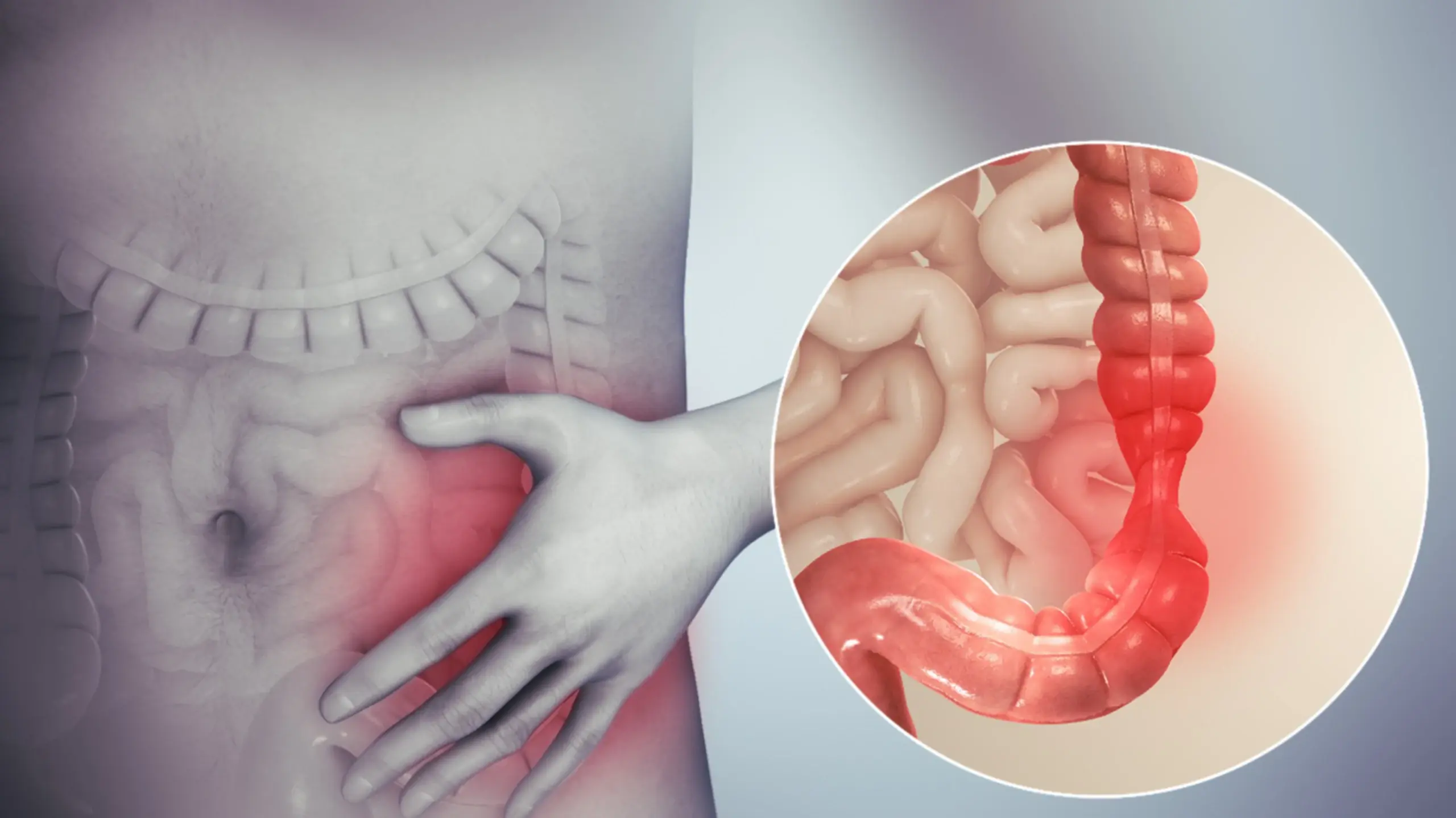
Chapter 6: Changes in Stool Shape, Size, or the Feeling of Incomplete Evacuation
Another change that may attract attention is a noticeable difference in the appearance of stool.
People sometimes become concerned when their stool appears thinner than usual, unusually narrow, or different in consistency.
In certain circumstances, persistent changes in stool shape can be associated with conditions that affect the movement of waste through the colon.
For example, severe constipation may produce small, hard pieces of stool. Intestinal spasms and changes in bowel function can also influence stool appearance.
A narrowing of the colon, caused by inflammation, scarring, a growth, or another structural problem, may affect the passage of stool.
In some cases, colorectal tumors can narrow the intestinal passage. However, thin or narrow stool alone is not a reliable sign of colorectal cancer. Stool shape can vary naturally, and temporary changes are common.
Another symptom worth recognizing is tenesmus, which describes the feeling that a bowel movement is still necessary even after the bowels have been emptied.
People experiencing this sensation may visit the bathroom repeatedly, strain during bowel movements, or feel that stool remains inside the rectum.
Tenesmus can occur with inflammatory conditions affecting the rectum, infections, constipation, and certain structural abnormalities. It may also occur in people with colorectal tumors.
Other related symptoms include:
-
Repeatedly feeling that the bowel has not emptied completely.
-
Straining even when stool is relatively soft.
-
Passing unusually small amounts of stool.
-
Experiencing persistent rectal pressure.
-
Noticing a lasting change in stool consistency or shape.
-
Feeling the need to use the bathroom more frequently without producing much stool.
These symptoms are not specific to one disease. They may also result from pelvic floor dysfunction, hemorrhoids, rectal inflammation, or functional digestive disorders.
Nevertheless, a persistent change that is unusual for an individual should be discussed with a healthcare professional.
It is particularly important to seek assessment when these changes occur together with bleeding, anemia, abdominal pain, or unexplained weight loss.
The overall pattern of symptoms is more informative than one isolated observation about stool shape.
Rather than relying on online symptom lists to identify a disease, people should consider how long the change has lasted, whether it is becoming worse, and whether additional warning signs are present.
Chapter 7: Why Early Detection of Colon Problems Matters
The colon can develop several conditions that range from relatively mild digestive disorders to serious diseases requiring specialized treatment.
Among the most important conditions to understand is colorectal cancer, which includes cancers of the colon and rectum.
Colorectal cancer often develops from abnormal growths called polyps. Some polyps, particularly certain types of adenomas and serrated lesions, can gradually develop into cancer over time.
Not every polyp becomes cancerous. Many remain benign, and some types have very little potential to develop into cancer.
However, identifying and removing precancerous polyps during screening can help prevent certain cases of colorectal cancer.
One reason screening is so important is that early-stage colorectal cancer may cause few or no noticeable symptoms.
A person can feel generally healthy while an abnormal growth is developing inside the colon. Waiting until symptoms appear may mean that an opportunity for earlier detection has been missed.