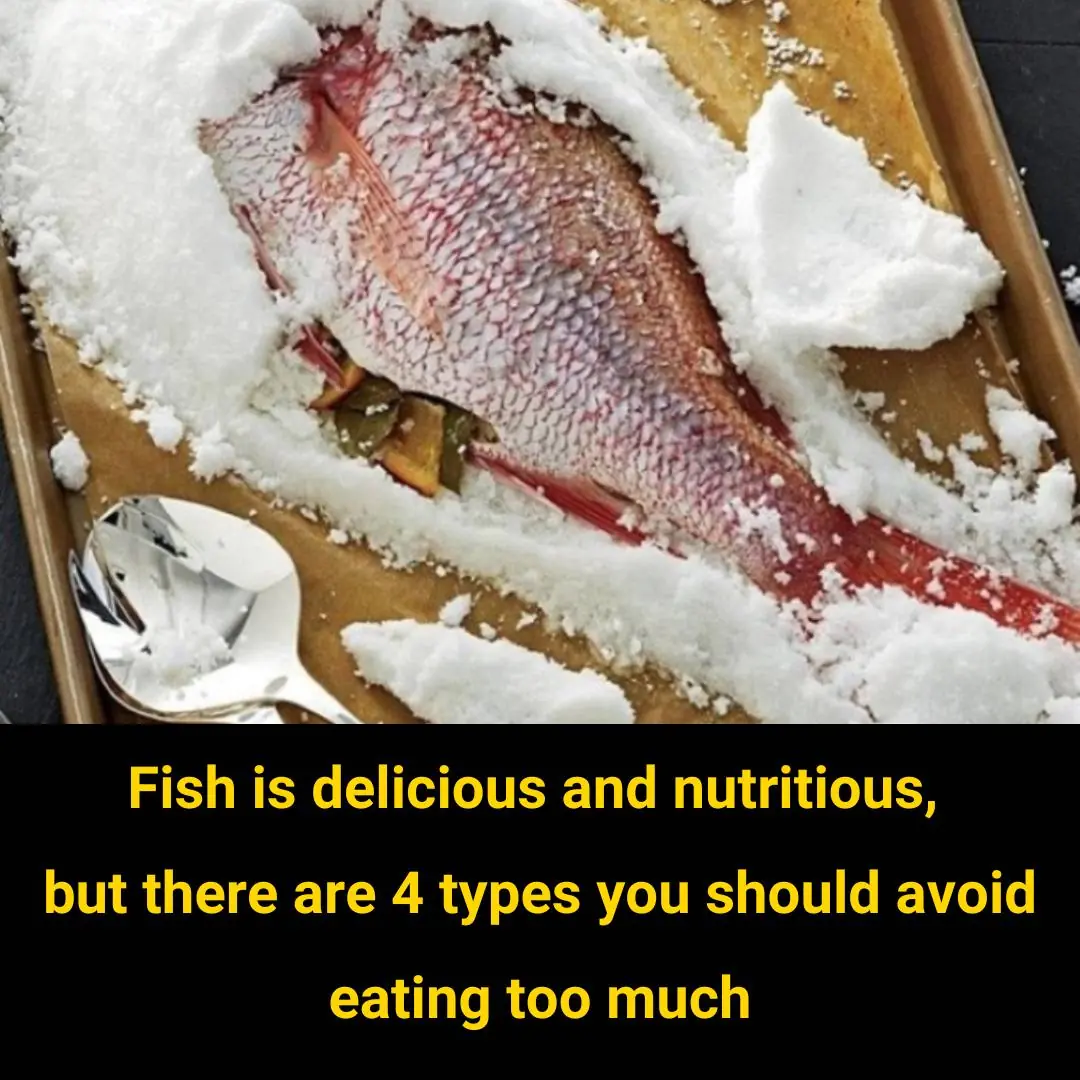
1. Dried fish, salted fish
According to the list of carcinogens published by the International Agency for Research on Cancer (IARC) of the World Health Organization (WHO), salted fish that is dried or smoked is classified as a Group 1 carcinogen. This processing method creates a large amount of methyl nitrite during production, and some of it is converted into dimethylnitrosamine, a carcinogen when ingested. This substance carries a high risk of causing nasopharyngeal cancer, esophageal cancer, and stomach cancer.
2. Overweight, oversized fish
There are two types of heavy, oversized fish that we should eat less of. These are large freshwater fish or unusually heavy fish and large carnivorous fish living in the deep sea. Freshwater fish that become oversized typically live a long time before reaching this size. During this long growth period in nature, they are likely to have lived in environments that are not properly regulated, with polluted waters that contain harmful toxins.
3. Raw fish, undercooked fish
Fish, being omnivores living in water, are highly susceptible to toxins and microorganisms present in the aquatic environment. If the fish is not processed at high temperatures, harmful substances may remain in the flesh. Eating raw fish can lead to the accumulation of these toxins in the body over time, potentially resulting in allergic reactions, cardiovascular problems, liver and kidney failure, and digestive disorders.
4. Fish that is fried, grilled for too long or too many times, or burnt
When fish is fried or grilled too many times or for too long, the fat in the fish oxidizes, creating harmful substances like benzopyrene. This is especially dangerous if the fish is burnt.
Benzopyrene is classified by WHO as one of the most dangerous carcinogens. Just a single nanogram of benzopyrene can alter the structure, direction, and function of DNA in the human body. It can cause not only stomach cancer but also liver cancer, lung cancer, and increase the risk of heart failure.