Diabetes is often called a “silent” condition because many people live with it for years without realizing anything is wrong. But your body usually gives signals long before a diagnosis. The problem is that these signs can feel random or easy to dismiss—especially when they appear at night, after meals, or during stressful weeks.
The image of someone awake late at night, unable to sleep, reflects a common reality: many people first notice unusual symptoms when their routine is quiet and their body finally “speaks up.” If you frequently experience the warning signs below, it may be time to take them seriously and consider getting your blood sugar checked.
Why Diabetes Symptoms Can Feel “Strange”
Unlike sudden illnesses, diabetes develops gradually. When blood sugar stays too high for long periods, it can affect nearly every system in the body—nerves, blood vessels, kidneys, skin, and even your sleep. That’s why the symptoms often seem unrelated at first.
Some people blame age, overwork, or stress. Others assume they just need more rest. But if the symptoms happen repeatedly, they may be more than a coincidence.
1. Waking Up at Night to Urinate Often
One of the earliest and most overlooked signs of diabetes is frequent urination, especially during the night. When blood sugar rises, the kidneys work harder to filter out excess glucose. To remove it, the body pulls water from tissues, producing more urine.
If you find yourself waking up two or more times to use the bathroom most nights—without drinking extra water—it’s worth paying attention.
Why it matters: This symptom can also lead to poor sleep and chronic fatigue, creating a cycle that worsens overall health.
2. Constant Thirst or Dry Mouth
When the body loses fluid through frequent urination, it naturally becomes dehydrated. As a result, you may feel unusually thirsty—even after drinking water. Some people notice persistent dry mouth, cracked lips, or a dry throat during the night.
Red flag: If you drink water often but still feel thirsty, it may be your body trying to correct a blood sugar imbalance.
3. Tingling, Numbness, or Burning in Hands and Feet
High blood sugar can damage nerves over time, a condition known as diabetic neuropathy. Many people first feel it as tingling, numbness, or “pins and needles” sensations—often in the feet, toes, or fingertips. Some also feel burning pain, especially at night.
Important note: If nerve symptoms become frequent, early treatment can help prevent long-term nerve damage.
4. Slow Healing Cuts and Frequent Infections
Another strange but common sign is slow wound healing. High blood sugar can impair circulation and weaken the immune system, making it harder for your body to repair itself. You might notice:
-
Small cuts that take longer to heal
-
Frequent skin infections
-
Gum problems
-
Recurring urinary tract infections
When infections or injuries keep coming back, it can be a strong indicator that the body is struggling internally.
5. Blurred Vision or Sudden Changes in Sight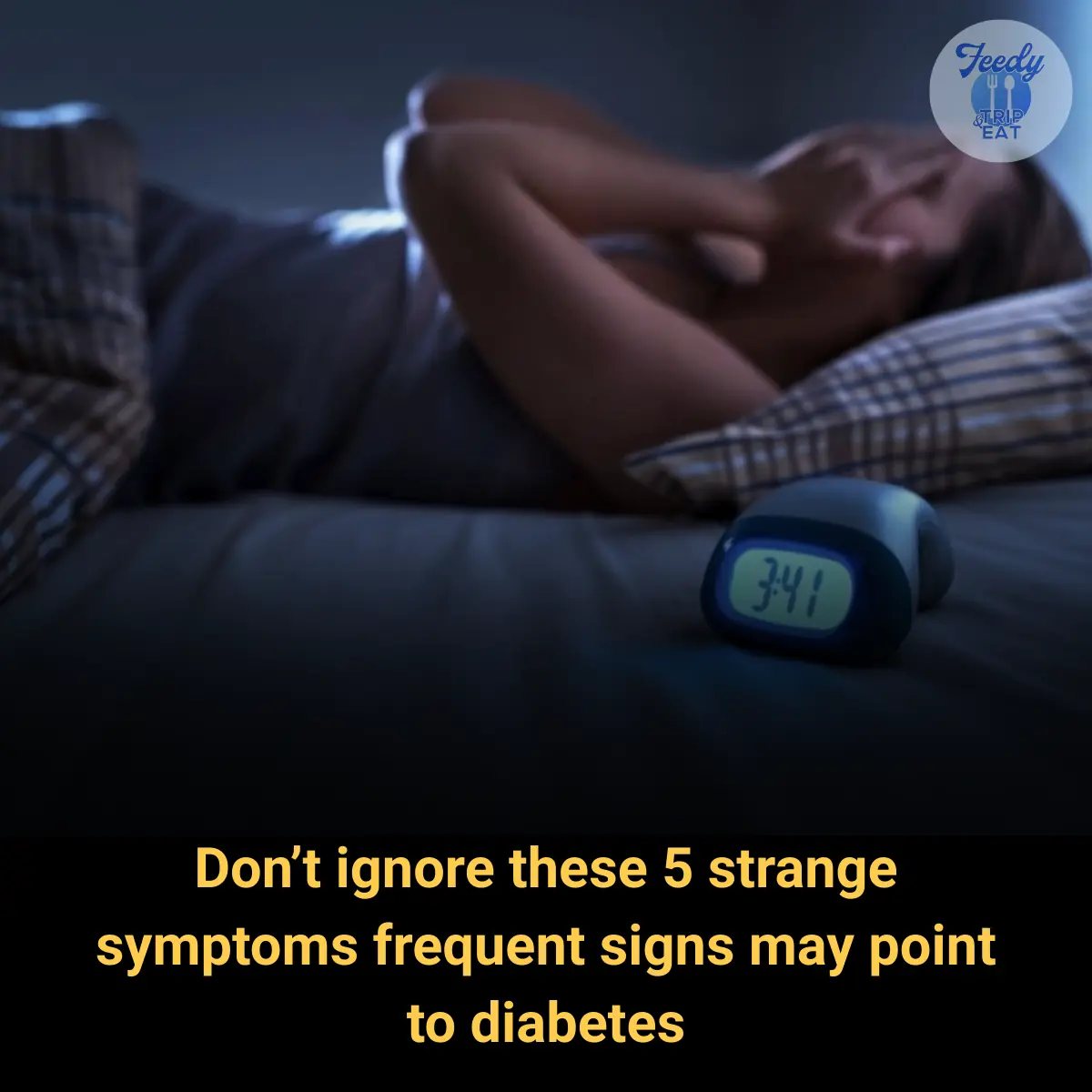
Diabetes can affect the tiny blood vessels in the eyes. When blood sugar fluctuates, it changes fluid levels in the lenses, causing blurred vision or trouble focusing. Some people notice their eyesight changes from day to day, especially after eating.
Warning: Vision issues should never be ignored—early care can reduce the risk of diabetic eye damage.
When to Get Checked
If you experience two or more of these symptoms regularly—especially for several weeks—schedule a blood sugar test. Common tests include fasting blood glucose, HbA1c, or an oral glucose tolerance test.
You should seek medical advice sooner if you also have risk factors such as overweight, family history, high blood pressure, or a sedentary lifestyle.
A Final Reminder
Not every symptom means diabetes, but frequent warning signs are your body’s way of asking for attention. The good news is that early detection can prevent serious complications and help you regain control through diet, movement, and medical guidance.