When a dish sponge starts looking worn out, most people automatically throw it in the trash. After all, it has spent days or weeks wiping plates, cleaning counters, and absorbing food residue. But before you toss an old sponge away, there may be one more practical use for it—as a small helper in your laundry routine.
An old sponge can sometimes be repurposed for simple laundry tasks such as removing lint, collecting loose hair, cleaning small stains, or helping with delicate hand-washing. It can also be useful for cleaning parts of your washing area that are easy to overlook.
However, there is one important distinction: a sponge that has been heavily used around food or has developed an unpleasant odor should not automatically be transferred to your clothes. Reusing it makes the most sense when the sponge is relatively clean, in good condition, and assigned to a specific non-food purpose.
Here are some practical ways to give an old sponge a second life around your laundry.
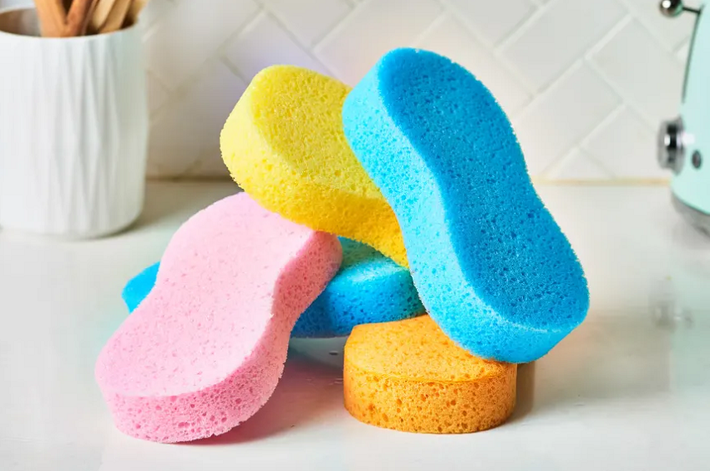
1. Use a Clean Old Sponge to Collect Hair and Lint
One of the most annoying things about doing laundry is discovering loose hair or lint stuck to clothing after washing.
This can be particularly noticeable on dark clothes.
A clean, slightly damp sponge can sometimes help pick up loose strands of hair, lint, and surface debris from clothing before it goes into the washing machine.
Simply dampen the sponge, squeeze out most of the water, and gently run it over the surface of the garment.
The sponge's texture can catch loose fibers without requiring you to use a disposable lint roller.
This works best on sturdy fabrics.
For delicate materials, test a small hidden area first and avoid rubbing aggressively.
2. Remove Pet Hair Before Washing
If you have a dog or cat, you probably know how difficult pet hair can be.
Hair can become trapped in fabric fibers, and putting heavily covered clothing directly into the washing machine may not be the best way to deal with it.
A clean, slightly damp sponge can be used to gather loose pet hair from clothing before washing.
Move the sponge gently across the fabric in one direction.
As hair collects on the sponge, remove it and continue.
For heavily covered clothing, a dedicated pet-hair brush or lint roller may work better, but a reusable sponge can be a convenient option for quick cleanup.
The important part is removing as much loose hair as possible before the laundry goes into the machine.
3. Use It as a Small Stain-Removal Tool
An old sponge can also become a handy tool for treating small stains.
Instead of pouring detergent directly onto an entire garment, you can use a small amount of appropriate laundry detergent or stain remover and gently work it into the affected area with a clean sponge.
This can be useful for:
-
Shirt collars
-
Cuffs
-
Small food stains
-
Dirt marks
-
Sweat-related buildup
-
Small spots on washable fabrics
Don't scrub aggressively.
Hard rubbing can damage fibers or cause a stain to spread.
Instead, gently dab or work from the outside of the stain toward the center.
Always check the garment's care label and test any cleaning product on an inconspicuous area first.
4. Give Your Washing Machine Door a Quick Clean
Your old sponge does not necessarily have to touch your clothes.
It can also be useful for cleaning the washing machine itself.
Washing machines can accumulate detergent residue, lint, hair, dust, and moisture around areas such as the door, detergent drawer, and rubber gasket.
A damp sponge can help wipe these areas down.
If you have a front-loading machine, pay particular attention to the folds of the rubber door seal.
Small amounts of water and residue can remain there after a wash cycle.
After cleaning, wipe the area dry with a clean cloth and leave the washing machine door slightly open when appropriate so moisture can evaporate.
This simple habit can help keep the area cleaner between deeper maintenance cycles.
5. Clean the Laundry Basket
Laundry baskets can become surprisingly dirty.
They collect dust, hair, skin flakes, lint, and sometimes traces of dirt from clothing.
A slightly damp sponge can be used to wipe down a plastic laundry basket.
For fabric laundry hampers, follow the manufacturer's cleaning instructions instead.
If you use a cleaning solution, make sure the surface is compatible with it and allow the basket to dry completely before putting clean clothes inside.
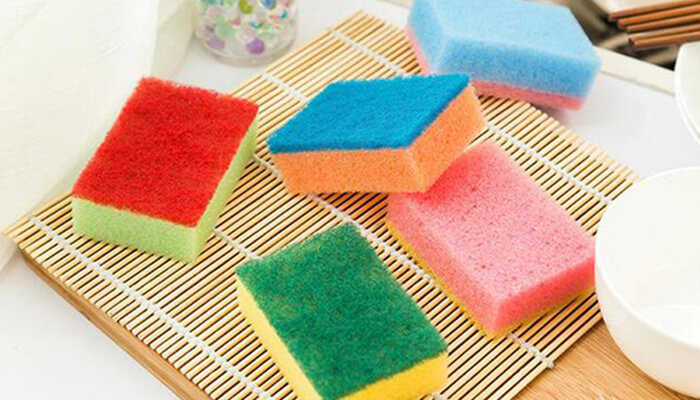
6. Use a Sponge for Hand-Washing Small Items
If you occasionally wash small items by hand, a clean sponge can be useful for gently working detergent into washable fabric.
For example, it may help with:
-
Socks
-
Small cloths
-
Washable accessories
-
Certain delicate household fabrics
However, do not assume every sponge is safe for delicate clothing.
Some kitchen sponges have abrasive surfaces that can snag or damage fabrics.
If the sponge has a rough green scouring layer, avoid using that side on clothing.
For delicate garments such as silk, fine wool, lace, or fragile knits, follow the garment's care instructions instead.
7. Create a Separate “Laundry Sponge”
One of the smartest ways to reuse an old sponge is to stop thinking of it as a kitchen sponge altogether.
Once you decide that a sponge has reached the end of its kitchen life, give it a new identity.
Mark it clearly or store it separately and use it only for laundry-related cleaning.
This helps prevent cross-contamination between kitchen cleaning and household cleaning.
You could keep separate sponges for:
Kitchen → bathroom → laundry → general cleaning
Keeping them separated is particularly important because a sponge that has contacted raw meat juices, spoiled food, or heavily contaminated surfaces should not be casually reused elsewhere.
8. Use It to Clean Around the Laundry Area
There are plenty of small surfaces around a laundry area that can benefit from occasional cleaning.