An old sponge can help wipe:
-
The top of the washing machine
-
The sides of detergent bottles
-
Shelves
-
Laundry-room sinks
-
Cabinet surfaces
-
Small areas around the machine
This is particularly useful because these areas often collect detergent dust and lint.
After using the sponge, rinse it thoroughly and allow it to dry completely.
The Sponge Should Not Go Directly Into Every Wash
You may see online laundry hacks suggesting that people simply put an old dish sponge inside the washing machine with their clothes.
This idea deserves some caution.
A sponge can break apart, release material, retain residue, or become a source of unwanted debris depending on its condition and construction.
If you want to use a sponge to collect hair or lint, it is generally safer to use it before washing, rather than automatically placing an old kitchen sponge into the washing machine.
And never put a sponge into a dryer.
Heat can damage some sponge materials and create an unnecessary safety risk.
Not Every Old Sponge Is Suitable for Reuse
This is perhaps the most important point.
An old sponge is not automatically reusable just because it still looks intact.
Throw it away if it:
-
Smells strongly unpleasant
-
Has visible mold
-
Is breaking apart
-
Has been contaminated with raw meat or other food residues
-
Has become slimy
-
Has been heavily soiled
-
Has lost its structure
-
Contains embedded debris that cannot be removed
The goal of repurposing household items is to reduce unnecessary waste—not to spread bacteria or unpleasant odors to clean clothing.
If you're uncertain about the sponge's cleanliness, replacing it is the better option.
Avoid Using Abrasive Sponges on Clothing
Many kitchen sponges have two different surfaces.
One side is soft.
The other may contain a rough abrasive material designed for scrubbing dishes and cookware.
That rough side can damage clothing.
It may cause:
-
Pilling
-
Snagging
-
Surface abrasion
-
Fading
-
Damage to delicate fibers
If you use a sponge on clothing, use only the soft side and apply gentle pressure.
For delicate fabrics, choose a purpose-made laundry brush or follow the garment manufacturer's cleaning instructions.
A Better Way to Think About “Laundry Hacks”
Online cleaning tricks can be useful, but not every viral hack deserves a place in your routine.
A good household hack should ideally be:
Simple, inexpensive, safe, and actually useful.
Using a clean old sponge to pick up loose hair before washing meets those criteria for many people.
Using a questionable sponge covered in bacteria inside a washing machine full of clean clothes is a very different story.
The difference comes down to how the item is used and how clean it is.
What About Putting a Sponge in the Washing Machine?
Some people use specially designed laundry sponges or reusable lint-catching products in washing machines.
Those products are different from simply taking an old kitchen sponge and throwing it into the drum.
If you want to use a reusable item inside your washing machine, choose one specifically designed for that purpose and follow its instructions.
Your washing machine's manual should also take priority over internet cleaning tips.
A washing machine is a mechanical appliance, and not every object that seems harmless belongs inside it.
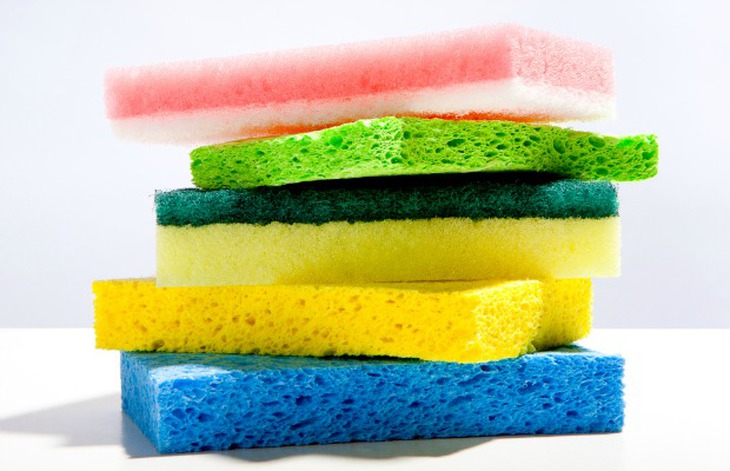
How to Make Your Old Sponge Last Longer
If you want to repurpose sponges more effectively, hygiene starts with proper maintenance.
After each use:
-
Rinse the sponge thoroughly.
-
Squeeze out excess water.
-
Store it somewhere with good airflow.
-
Don't leave it sitting in standing water.
-
Replace it if it develops an odor or deteriorates.
A sponge that remains constantly wet provides a better environment for microorganisms than one that dries between uses.
For laundry-specific sponges, keeping them dry between uses is especially important because you are using them around clean clothing.
You Don't Need to Throw Everything Away Immediately
The larger lesson behind this simple trick is not really about sponges.
It is about finding practical second uses for everyday household items without compromising hygiene or safety.
An object that is no longer suitable for one job may still be useful for another.
A kitchen sponge that has reached the end of its useful life for washing dishes might become a tool for cleaning the washing machine, wiping down a laundry basket, or removing loose pet hair from clothing.
But reuse should have limits.
Once an item becomes unhygienic, damaged, moldy, or difficult to clean, there is no benefit in keeping it simply because it is technically reusable.
Final Thoughts
Before throwing away an old dish sponge, consider whether it can safely serve one more purpose around the laundry area.
A clean, intact sponge can be useful for collecting loose hair and lint, treating small spots, wiping down the washing machine, cleaning laundry baskets, and handling other small household jobs.
The key is to keep the sponge separate from food preparation, avoid abrasive surfaces on clothing, never use visibly contaminated sponges, and don't assume that an ordinary kitchen sponge belongs inside your washing machine.
Sometimes the best household tricks aren't complicated at all.
They simply involve looking at an everyday object and asking:
“Can this still be useful somewhere else?”
With the right precautions, that old sponge may have one more job to do before it finally belongs in the trash.