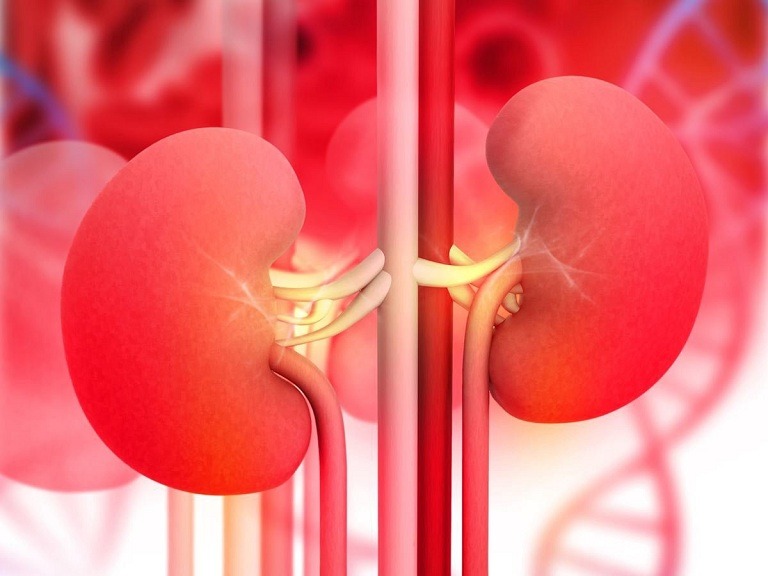
Your kidneys may be small compared with many other organs, but they perform some incredibly important jobs. They filter waste products from your blood, help control fluid levels, regulate electrolytes, contribute to blood pressure regulation, and play a role in producing hormones involved in red blood cell production and bone health.
The challenge is that kidney disease can develop gradually without obvious symptoms.
A person may lose a significant amount of kidney function before noticing that anything is wrong. This is one reason kidney disease is sometimes described as a "silent" condition.
The good news is that kidney health can often be monitored with relatively simple blood and urine tests. Recognizing potential warning signs and understanding your risk factors - can help you seek medical care earlier.
What Do Your Kidneys Actually Do?
Most people are born with two kidneys located toward the back of the abdomen, just below the rib cage.
Their functions include:
-
Filtering waste products from the blood
-
Removing excess fluid through urine
-
Helping regulate sodium and potassium
-
Maintaining acid-base balance
-
Supporting blood pressure regulation
-
Producing erythropoietin, a hormone involved in red blood cell production
-
Helping activate vitamin D
-
Supporting healthy bones and mineral balance
Because the kidneys are involved in so many processes, declining kidney function can eventually affect multiple parts of the body.
Why Early Kidney Disease Can Be Difficult to Notice
Kidney tissue has considerable functional reserve.
That means the body may continue functioning relatively normally even when kidney function has begun to decline.
Early chronic kidney disease, or CKD, often produces few or no noticeable symptoms.
Someone may feel completely healthy while a blood test shows reduced kidney function or a urine test reveals protein leakage.
This is why testing can be especially important for people at increased risk.
1. Changes in Urination
Changes in urination can sometimes provide clues that something is affecting the urinary system or kidneys.
You might notice:
-
Urinating more frequently
-
Needing to urinate during the night
-
Producing more or less urine than usual
-
Difficulty urinating
-
Changes in urine appearance
However, these symptoms are not specific to kidney disease.
For example, frequent urination can also be related to:
-
Diabetes
-
Urinary tract infections
-
Enlarged prostate
-
High fluid intake
-
Certain medications
-
Pregnancy
Persistent or unexplained changes should be discussed with a healthcare professional.
2. Foamy or Frothy Urine
Occasionally noticing bubbles in urine is normal.
However, urine that is repeatedly very foamy or frothy can sometimes indicate protein in the urine, known as albuminuria or proteinuria.
Healthy kidneys normally prevent significant amounts of protein from passing into urine.
When the kidney's filtering structures become damaged, protein can leak through.
Persistent foamy urine therefore deserves medical evaluation, particularly if you have diabetes, high blood pressure, or a history of kidney disease.
A simple urine test can determine whether excess protein or albumin is present.
3. Blood in the Urine
Blood in the urine is called hematuria.
It can make urine appear:
-
Pink
-
Red
-
Brown
-
Tea-colored
Sometimes blood is present in such small amounts that it can only be detected through laboratory testing.
Blood in the urine can have many causes, including:
-
Kidney stones
-
Urinary tract infections
-
Kidney disease
-
Prostate conditions
-
Certain medications
-
Bladder or kidney problems
It should not automatically be attributed to kidney disease, but visible blood in the urine should be evaluated.
4. Swelling in the Legs, Ankles, or Feet
The kidneys help remove excess sodium and fluid.
When kidney function becomes significantly impaired, fluid may accumulate in the body.
This can lead to swelling, known as edema, particularly around:
-
Ankles
-
Feet
-
Lower legs
-
Hands
However, edema has many other causes, including heart disease, liver disease, venous problems, certain medications, and prolonged standing.
New or unexplained swelling should therefore be assessed rather than assumed to be a kidney problem.
5. Puffiness Around the Eyes
Some people with kidney conditions may develop swelling around the eyes, particularly in the morning.
This can occur when protein is lost through the urine and fluid shifts into surrounding tissues.
But puffy eyes can also result from:
-
Lack of sleep
-
Allergies
-
High salt intake
-
Dehydration
-
Normal facial anatomy
Persistent or pronounced swelling deserves medical evaluation, especially when accompanied by changes in urination or swelling elsewhere.
6. Persistent Fatigue
Fatigue is common and has countless possible causes.
But advanced kidney disease can contribute to fatigue through several mechanisms.
One important factor is anemia.
Healthy kidneys produce erythropoietin, a hormone that signals the bone marrow to make red blood cells.
When kidney function declines significantly, erythropoietin production may decrease, contributing to anemia.
Anemia can cause:
-
Fatigue
-
Weakness
-
Shortness of breath with activity
-
Dizziness
-
Difficulty concentrating
If unexplained fatigue persists, blood testing can help identify whether anemia, thyroid problems, nutritional deficiencies, kidney disease, or another condition is involved.
7. Changes in Appetite
As kidney disease becomes more advanced, waste products can accumulate in the bloodstream.
This may contribute to:
-
Reduced appetite
-
Nausea
-
Changes in taste
-
An unpleasant taste in the mouth
These symptoms generally aren't early warning signs by themselves.
They are more likely to occur with more advanced kidney dysfunction.
Persistent appetite changes should still be evaluated because many other conditions can cause them.
8. Nausea or Vomiting
Nausea can occur for countless reasons, including infections, gastrointestinal conditions, medication side effects, pregnancy, and migraine.
In advanced kidney disease, accumulation of metabolic waste can contribute to nausea and vomiting.
If vomiting is persistent or accompanied by reduced urine output, swelling, severe weakness, confusion, or breathing difficulties, medical attention is important.

9. Muscle Cramps and Weakness
Kidney disease can affect electrolyte and mineral balance.
Changes involving:
-
Potassium
-
Calcium
-
Phosphorus
-
Sodium
may contribute to muscle symptoms.
However, muscle cramps are extremely common and are not enough to diagnose kidney disease.
Dehydration, exercise, medication, nutritional factors, and many other conditions can also cause cramps.
10. Trouble Concentrating or Feeling "Foggy"
People with advanced kidney disease may experience difficulty concentrating or changes in mental clarity.
This can occur when waste products accumulate or when significant metabolic and electrolyte abnormalities develop.
But occasional brain fog is not a specific kidney symptom.
Poor sleep, stress, anxiety, medications, hormonal changes, and many other factors can affect concentration.
Persistent or severe changes should be evaluated.
11. Dry or Itchy Skin
Chronic kidney disease, particularly at more advanced stages, can contribute to dry or itchy skin.
This may be related to changes in:
-
Mineral balance
-
Phosphorus regulation
-
Skin hydration
-
Accumulation of certain substances
But itchy skin is far more commonly caused by dermatological conditions, allergies, dry weather, medications, or other systemic problems.
Don't assume itching means your kidneys are failing.
12. High Blood Pressure
High blood pressure is both a risk factor for kidney disease and a potential consequence of declining kidney function.
The kidneys help regulate blood pressure through fluid balance and hormonal pathways.
When kidney function is impaired, blood pressure can become more difficult to control.
At the same time, long-term uncontrolled hypertension can damage the blood vessels and filtering structures inside the kidneys.
This creates a harmful cycle:
High blood pressure → kidney damage → worsening blood pressure → further kidney damage
That's why blood pressure management is so important for kidney health.
13. Diabetes Is a Major Kidney Risk Factor
Diabetes is one of the leading causes of chronic kidney disease.
Persistently elevated blood glucose can damage the small blood vessels and filtering structures within the kidneys.
Over time, this can cause albumin to leak into urine and kidney function to decline.
If you have diabetes, regular kidney screening is particularly important.
This commonly involves:
-
Blood creatinine and estimated GFR
-
Urine albumin testing
-
Blood pressure monitoring
Early detection can allow treatment to begin before significant kidney damage develops.
14. Unexplained Changes in Weight
Sudden weight changes can have many causes.
Rapid weight gain may sometimes reflect fluid retention.
Unintentional weight loss can occur with many medical conditions, including advanced kidney disease.
However, weight change alone is not enough to identify a kidney problem.
If you experience unexplained or significant weight changes, discuss them with your healthcare professional.
15. Shortness of Breath
Advanced kidney disease can contribute to shortness of breath in several ways.
Fluid accumulation can affect the lungs, while kidney-related anemia can reduce the body's oxygen-carrying capacity.
But shortness of breath can also be caused by:
-
Heart disease
-
Lung disease
-
Anemia from other causes
-
Infection
-
Anxiety
-
Blood clots
New or severe breathing difficulty requires medical evaluation.
Why Kidney Testing Matters Even When You Feel Fine
This is perhaps the most important point.
You cannot reliably judge kidney function by symptoms alone.
Someone can have early CKD and feel completely normal.
Two relatively simple tests are particularly useful:
Blood Test: eGFR
Estimated glomerular filtration rate uses blood creatinine and other factors to estimate how well the kidneys are filtering.
Urine Test: Albumin-to-Creatinine Ratio
This test checks for albumin leaking into urine.
Persistent abnormalities in either test can indicate kidney disease.
Your healthcare professional may repeat testing to determine whether a finding is temporary or persistent.
Who Should Be Screened for Kidney Disease?
Screening is particularly important for people with increased risk.
Risk factors include:
-
Diabetes
-
High blood pressure
-
Cardiovascular disease
-
Family history of kidney disease
-
Previous acute kidney injury
-
Obesity
-
Older age
-
Certain genetic conditions
-
Long-term use of certain medications
If you have one or more of these risk factors, ask your healthcare professional whether regular kidney testing is appropriate.
How Can You Protect Your Kidneys?
There isn't one magic food or supplement that guarantees kidney health.
Instead, focus on several evidence-based habits.
1. Keep Blood Pressure Under Control
If you have hypertension, follow your treatment plan.
This may include:
-
Medication
-
Reduced sodium intake
-
Regular physical activity
-
Weight management
-
Appropriate dietary changes
Don't stop blood-pressure medication simply because you feel well.
2. Manage Blood Sugar
If you have diabetes or prediabetes, maintaining healthy blood glucose levels can help reduce the risk of kidney damage.
Follow your prescribed treatment and monitor blood glucose as recommended.
3. Avoid Excessive Sodium
A high-sodium diet can contribute to high blood pressure and fluid retention.
Reduce frequent consumption of:
-
Processed meats
-
Instant noodles
-
Packaged soups
-
Salty snacks
-
Fast food
-
Highly processed sauces
Instead, flavor food with:
-
Garlic
-
Ginger
-
Herbs
-
Lemon
-
Vinegar
-
Spices
4. Stay Physically Active
Regular exercise supports:
-
Blood pressure control
-
Blood glucose management
-
Healthy body weight
-
Cardiovascular health
Walking, cycling, swimming, strength training, and other activities can all contribute.
If you have significant health problems, choose an exercise level appropriate for your condition.
5. Maintain a Healthy Weight
Excess body weight can increase the risk of:
-
Diabetes
-
Hypertension
-
Cardiovascular disease
-
Kidney disease
Even modest improvements in weight and physical activity can benefit metabolic health.
6. Don't Smoke
Smoking damages blood vessels throughout the body.
Because healthy kidneys depend on an adequate blood supply, smoking can contribute to vascular and kidney problems.
Quitting is one of the most meaningful changes you can make for overall health.
7. Be Careful With Painkillers
Frequent or prolonged use of certain NSAIDs, such as ibuprofen and naproxen, can potentially harm the kidneys, particularly in people who already have kidney disease or are dehydrated.
This doesn't mean you can never use these medications.
It means they should be used appropriately and according to medical guidance.
If you have CKD, ask your healthcare professional which pain medications are safest for you.
8. Be Cautious With Supplements
"Natural" doesn't automatically mean kidney-safe.
Some herbal supplements can contain substances that may harm the kidneys or interact with medications.
People with kidney disease should be particularly cautious about:
-
Herbal detox products
-
Unregulated supplements
-
High-dose minerals
-
Bodybuilding supplements
Always tell your healthcare professional about supplements you're taking.
Should You Drink More Water to "Flush" Your Kidneys?
This is a common misconception.
Adequate hydration is important, but drinking excessive amounts of water doesn't cleanse or repair damaged kidneys.
Most healthy adults can rely on thirst and normal hydration needs.
People with advanced kidney disease, heart failure, or certain other conditions may actually have specific fluid restrictions.
So don't force yourself to drink huge quantities of water because of an online "kidney cleanse."
Can Certain Foods Protect the Kidneys?
A healthy dietary pattern is more important than one particular food.
Depending on your health status, a kidney-friendly diet may emphasize:
-
Vegetables
-
Fruits
-
Whole grains
-
Legumes
-
Appropriate protein
-
Unsaturated fats
However, people with advanced kidney disease may need individualized limits on nutrients such as:
-
Sodium
-
Potassium
-
Phosphorus
-
Protein
-
Fluid
This is why generic "kidney diets" found online can sometimes be inappropriate.
What About Herbal Kidney Cleanses?
Be skeptical of products claiming to:
-
Flush kidney stones
-
Clean the kidneys
-
Remove toxins
-
Reverse kidney disease
-
Restore kidney function
There is no reliable detox drink that can replace medical treatment for kidney disease.
Some supplements can even cause kidney injury.
If you're concerned about your kidneys, testing is much more useful than detox products.
When Should You See a Doctor?
Make an appointment if you notice:
-
Persistent changes in urination
-
Repeatedly foamy urine
-
Blood in your urine
-
Unexplained swelling
-
Persistent fatigue
-
Unexplained nausea
-
Difficult-to-control blood pressure
-
Significant changes in urine output
People with diabetes, hypertension, or other major risk factors should discuss routine kidney screening even if they have no symptoms.
When Is It an Emergency?
Seek urgent medical attention for symptoms such as:
-
Very little or no urine
-
Severe shortness of breath
-
Severe chest pain
-
Confusion
-
Fainting
-
Severe weakness
-
Rapidly worsening swelling
-
Persistent vomiting with signs of dehydration
These symptoms can have many causes, but they may indicate a serious medical problem requiring immediate assessment.
A Simple Daily Routine for Kidney Health
You don't need an elaborate routine.
Morning
Take prescribed medications as directed.
Breakfast
Choose a balanced meal with fiber and protein.
During the Day
Stay appropriately hydrated.
Lunch and Dinner
Prioritize vegetables, minimally processed foods, and reasonable portions.
Movement
Get regular physical activity.
Evening
Avoid excessive alcohol and highly salty processed foods.
Long Term
Monitor blood pressure, blood glucose, cholesterol, and kidney function when recommended.
The Bottom Line
Early kidney disease can be difficult to recognize because it often causes few or no symptoms.
Potential signs that deserve attention include:
Changes in urination
Persistent foamy urine
Blood in the urine
Swelling of the legs or around the eyes
Unexplained fatigue
Persistent nausea
Itchy or dry skin in advanced disease
Difficulty controlling blood pressure
But none of these symptoms automatically means you have kidney disease.
The most reliable way to identify CKD is through blood and urine testing, particularly eGFR and urine albumin testing.
If you have diabetes, high blood pressure, cardiovascular disease, a family history of kidney problems, or another risk factor, regular screening can be especially valuable.
Final Thoughts
Your kidneys don't usually announce problems loudly in the early stages.
That's why prevention and screening matter so much.
You can support kidney health by controlling blood pressure and blood sugar, staying physically active, maintaining a healthy weight, avoiding smoking, limiting excessive sodium, using medications responsibly, and being cautious with supplements.
Most importantly, don't wait for severe symptoms before paying attention to your kidneys.
If you have risk factors for kidney disease, ask your healthcare professional about simple blood and urine tests. Early detection can give you an opportunity to address the underlying causes and protect remaining kidney function.
Your kidneys work quietly every day.
Giving them attention before symptoms become obvious can be one of the smartest things you do for your long-term health.