Cancer often develops quietly, with symptoms that are easy to overlook in the early stages. However, the body usually sends subtle warning signals long before the disease progresses. One area where these signs may appear is the neck.
Recognizing early symptoms in the neck could make a significant difference, as early detection greatly improves treatment outcomes. Here are three important warning signs you should never ignore.
Why the Neck Matters in Early Detection
The neck contains important structures such as lymph nodes, the thyroid gland, and parts of the respiratory and digestive systems. Because of this, changes in this area can sometimes reflect deeper health issues.
Many cancers, including throat, thyroid, and lymphatic cancers, may first present symptoms in the neck. Paying attention to unusual changes can help you seek medical advice early.
1. Unexplained Lump or Swelling

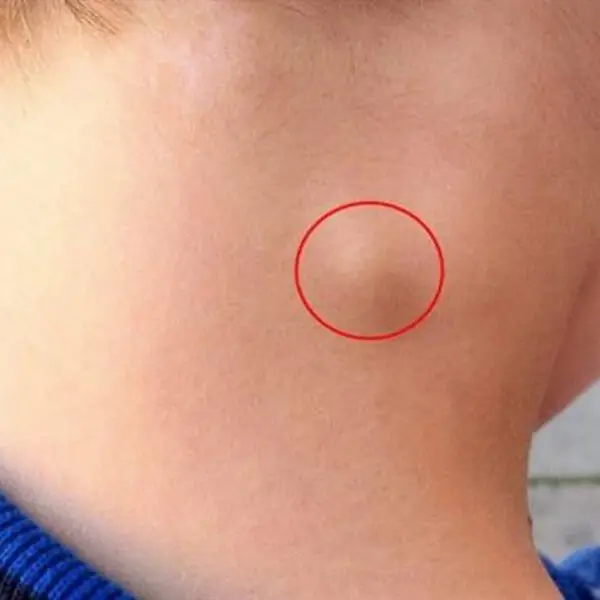
One of the most common warning signs is a lump in the neck.
This lump may feel like a small, firm mass under the skin and is often painless at first. While not all lumps are cancerous—many are caused by infections or benign conditions—a lump that persists for more than two weeks should be examined by a doctor.
Particularly concerning signs include:
- A lump that grows over time
- A hard or immovable mass
- Swelling that does not go away
These could indicate enlarged lymph nodes or abnormal tissue growth.
2. Persistent Throat or Neck Pain
Ongoing discomfort in the throat or neck area is another symptom that should not be ignored.
This pain may feel like soreness, pressure, or a constant irritation when swallowing. In some cases, it may radiate to the ears or jaw.
While throat pain is often caused by minor infections, persistent or worsening pain—especially without other cold symptoms—can be a warning sign of something more serious.
3. Difficulty Swallowing or Breathing
If you notice changes in how you swallow or breathe, it may be time to pay closer attention.
Some individuals experience a sensation of food getting stuck in the throat or difficulty swallowing liquids. Others may feel tightness or pressure in the neck that affects breathing.
These symptoms could be related to growths that interfere with normal throat function and should be evaluated promptly.
Other Symptoms to Watch For
In addition to the three main signs, there are other symptoms that may accompany early-stage cancer:
- Unexplained weight loss
- Persistent hoarseness or voice changes
- Fatigue without a clear cause
- Night sweats or fever
While these symptoms can have many causes, experiencing several at once increases the need for medical attention.
When Should You See a Doctor?
You should seek medical advice if:
- A neck lump lasts more than two weeks
- Pain persists or worsens
- Swallowing or breathing becomes difficult
Early diagnosis is critical. Many cancers are far more treatable when detected at an early stage.
Prevention and Awareness
While not all cancers can be prevented, certain lifestyle choices can reduce your risk:
- Avoid smoking and excessive alcohol consumption
- Maintain a healthy diet
- Stay physically active
- Schedule regular health check-ups
Awareness is just as important as prevention. Listening to your body and noticing unusual changes can save lives.
Conclusion
Early neck signs should never be ignored. A simple symptom like a lump, persistent pain, or difficulty swallowing may seem minor, but it could be your body’s way of signaling a serious condition.
The key is not to panic, but to act wisely. If something feels unusual and does not go away, consult a healthcare professional. Early detection remains one of the most powerful tools in fighting cancer—and it often starts with paying attention to the smallest signs.