A stroke is one of the most serious medical emergencies, affecting millions of people worldwide every year. It can happen suddenly and may lead to permanent disability, long-term health complications, or even death if not treated quickly.
Many people believe that strokes always occur without warning. While this is often true, some people experience warning signs or temporary symptoms before a major stroke occurs. In addition, certain health conditions and risk factors can quietly increase the likelihood of having a stroke over time.
Recognizing these signs early and seeking prompt medical attention - can make a significant difference.
It's important to understand that not everyone experiences warning symptoms, and having one of the signs below does not necessarily mean a stroke is about to happen. However, these symptoms should never be ignored, especially if they appear suddenly.
Let's explore the warning signs, risk factors, and practical steps you can take to help protect your brain and overall cardiovascular health.
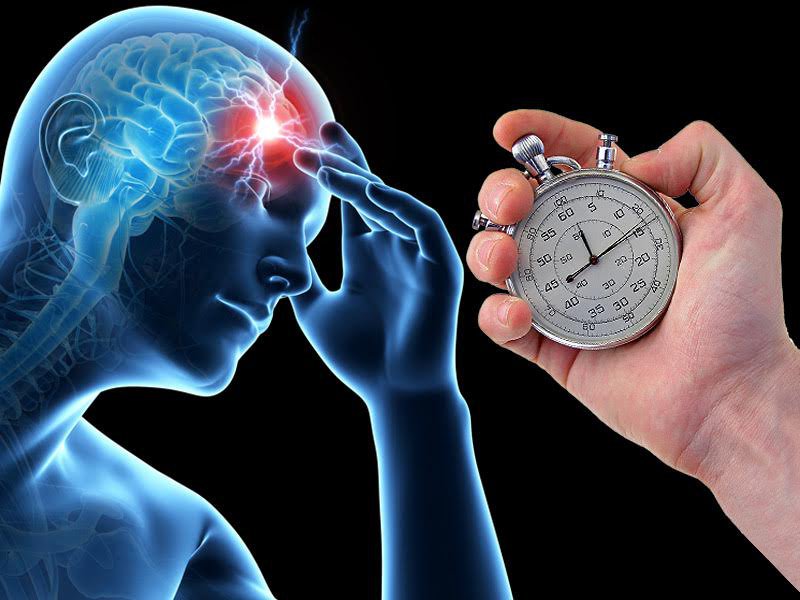
What Is a Stroke?
A stroke occurs when blood flow to part of the brain is interrupted or when a blood vessel in the brain ruptures.
Without enough oxygen and nutrients, brain cells begin to die within minutes.
There are two main types:
Ischemic Stroke
This is the most common type.
It occurs when a blood clot blocks blood flow to the brain.
Hemorrhagic Stroke
This occurs when a blood vessel bursts, causing bleeding in or around the brain.
Both require immediate emergency medical care.
What Is a Transient Ischemic Attack (TIA)?
Some people experience what is commonly called a "mini-stroke," or Transient Ischemic Attack (TIA).
A TIA causes temporary stroke-like symptoms because blood flow to part of the brain is briefly reduced.
Unlike a major stroke, symptoms usually resolve within minutes or hours and do not leave permanent brain injury.
However, a TIA is a medical emergency.
It serves as an important warning that the risk of a future stroke is significantly increased, particularly in the days and weeks that follow.
Never ignore symptoms simply because they go away.
1. Sudden Weakness or Numbness
One of the most recognizable warning signs is sudden weakness or numbness affecting:
-
The face
-
One arm
-
One leg
Symptoms typically occur on one side of the body.
For example:
-
One arm suddenly feels unusually heavy.
-
One leg becomes difficult to control.
-
One side of the face droops.
Even if these symptoms disappear after a few minutes, seek emergency medical attention immediately.
2. Difficulty Speaking or Understanding Speech
Another common warning sign involves language.
You may suddenly notice:
-
Slurred speech
-
Difficulty finding words
-
Trouble understanding others
-
Confusion during conversation
Friends or family members may recognize these changes before you do.
Speech difficulties that begin suddenly should always be treated as a medical emergency.
3. Sudden Vision Changes
A stroke can affect vision in several ways.
Possible symptoms include:
-
Blurred vision
-
Double vision
-
Sudden loss of vision in one eye
-
Difficulty seeing on one side
Vision changes can have many causes, but sudden onset requires prompt evaluation.

4. Loss of Balance or Coordination
If blood flow is affected in areas controlling movement and balance, symptoms may include:
-
Sudden dizziness
-
Difficulty walking
-
Poor coordination
-
Unexplained falls
While dizziness is common and often has non-serious causes, sudden dizziness accompanied by other neurological symptoms should never be ignored.
5. A Sudden, Severe Headache
A sudden, intense headache—particularly one that reaches maximum intensity within seconds or minutes—may be associated with bleeding in or around the brain.
People often describe it as:
"The worst headache of my life."
This type of headache requires immediate emergency medical evaluation, especially if accompanied by:
-
Vomiting
-
Neck stiffness
-
Weakness
-
Confusion
-
Vision changes
-
Loss of consciousness
6. Temporary Episodes That Quickly Improve
One of the biggest mistakes people make is assuming they are "fine" because symptoms disappear.
If you experience temporary:
-
Weakness
-
Speech difficulty
-
Vision loss
-
Numbness
that resolves within minutes, you may have experienced a TIA.
The risk of a major stroke is highest shortly after a TIA, making urgent evaluation essential.
Know the FAST Warning Signs
A simple way to remember common stroke symptoms is the acronym FAST.
F – Face
Ask the person to smile.
Does one side droop?
A – Arms
Ask them to raise both arms.
Does one arm drift downward?
S – Speech
Ask them to repeat a simple sentence.
Is speech slurred or unusual?
T – Time
If any of these signs are present, call emergency medical services immediately.
Time lost is brain lost.
Who Is at Higher Risk?
Although strokes can occur at any age, certain factors increase risk.
Some cannot be changed.
Others can be managed.
High Blood Pressure
This is one of the strongest risk factors for stroke.
Often, hypertension produces no symptoms.
Regular monitoring is essential.
Diabetes
Persistently elevated blood glucose can damage blood vessels throughout the body, including those supplying the brain.
Good diabetes management can reduce stroke risk.
High Cholesterol
Excess LDL cholesterol contributes to plaque formation inside arteries.
Over time, narrowed arteries increase the risk of reduced blood flow and clot formation.
Smoking
Smoking damages blood vessels, promotes clot formation, and substantially increases stroke risk.
Quitting smoking is one of the most effective ways to improve cardiovascular health.
Atrial Fibrillation
This irregular heart rhythm increases the risk of blood clots forming in the heart.
These clots can travel to the brain and cause an ischemic stroke.
Many people with atrial fibrillation have no symptoms.
Routine medical care can help detect it.
Obesity and Physical Inactivity
Maintaining a healthy body weight and staying physically active support healthy blood pressure, cholesterol, and blood sugar.
Regular movement also benefits the heart and circulation.
7 Healthy Habits That Help Lower Stroke Risk
Although no lifestyle guarantees prevention, healthy habits can significantly reduce risk.
1. Monitor Blood Pressure
Know your numbers.
Follow your healthcare provider's recommendations.
2. Stay Physically Active
Aim for at least 150 minutes of moderate physical activity each week, along with strength training on two or more days when appropriate.
3. Eat a Heart-Healthy Diet
Focus on:
-
Vegetables
-
Fruits
-
Whole grains
-
Beans
-
Fish
-
Healthy fats
-
Lean proteins
Limit:
-
Excess sodium
-
Sugar-sweetened beverages
-
Highly processed foods
-
Processed meats
4. Don't Smoke
Every cigarette damages blood vessels.
Quitting smoking provides cardiovascular benefits regardless of your age.
5. Limit Alcohol
Heavy alcohol use can increase blood pressure and stroke risk.
Moderation is important.
6. Get Enough Sleep
Adults generally benefit from 7–9 hours of quality sleep each night.
Poor sleep and untreated sleep apnea are associated with increased cardiovascular risk.
7. Attend Regular Medical Checkups
Routine health visits can identify:
-
High blood pressure
-
Diabetes
-
High cholesterol
-
Irregular heart rhythms
Early treatment reduces long-term risk.

Common Stroke Myths
Myth: Stroke only affects older adults.
False.
Although age increases risk, strokes can occur in younger adults and, less commonly, in children.
Myth: If symptoms disappear, everything is fine.
False.
Temporary symptoms may represent a TIA and require immediate evaluation.
Myth: Stroke is always painful.
False.
Many strokes occur without pain.
Weakness, speech changes, or vision problems may be the only warning signs.
Myth: Nothing can be done.
False.
Modern stroke treatments can be highly effective—but they are extremely time-sensitive.
The sooner treatment begins, the better the chance of preserving brain function.
What Should You Do If You Suspect a Stroke?
Do not wait to see if symptoms improve.
Do not drive yourself if emergency medical services are available.
Call emergency services immediately.
Record the time symptoms began, if known.
This information helps determine eligibility for certain treatments.
Every minute matters.
The Bottom Line
A stroke often occurs suddenly, but temporary neurological symptoms such as those caused by a transient ischemic attack (TIA) - can sometimes provide an important warning before a major stroke. In addition, managing long-term risk factors like high blood pressure, diabetes, smoking, high cholesterol, and atrial fibrillation can significantly reduce the likelihood of a future stroke.
Learn to recognize sudden weakness, facial drooping, speech difficulties, vision changes, balance problems, and severe headaches, and remember the FAST warning signs.
If these symptoms appear even if they disappear quickly - seek emergency medical care immediately.
The best way to reduce the impact of stroke is through a combination of prevention, early recognition, and rapid treatment.
Your brain depends on every minute.