These Foods and Habits May Help Support Healthy Blood Flow 😮
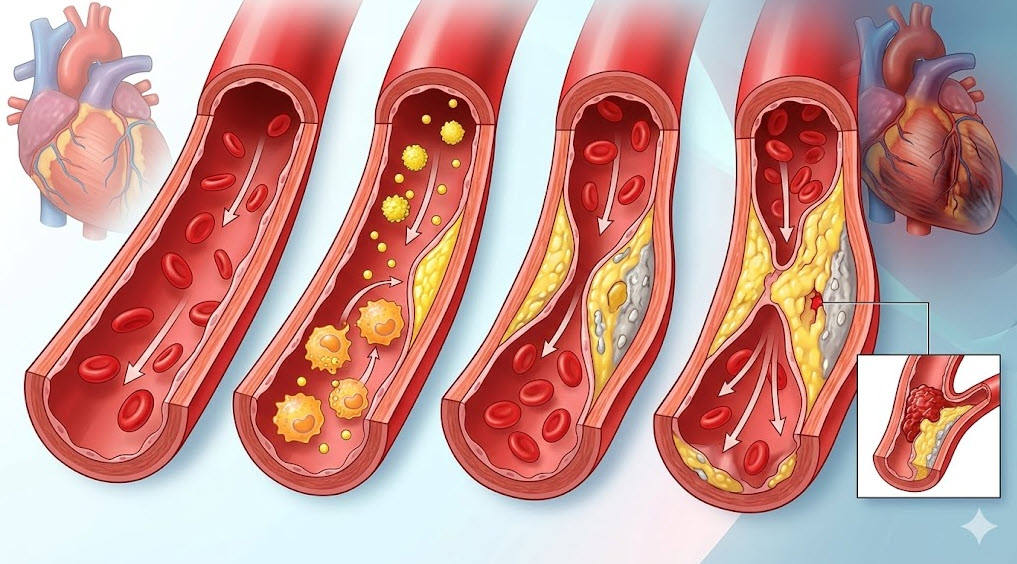
Healthy blood flow plays a major role in overall wellness. Your circulatory system delivers oxygen and nutrients throughout the body, helping organs, muscles, and the brain function properly. When circulation becomes poor, people may experience fatigue, cold hands and feet, leg discomfort, swelling, or even more serious cardiovascular problems over time.
Doctors say that while no food can magically “clean” blood vessels overnight, certain eating habits and lifestyle choices may help support healthy circulation and blood vessel function naturally.
Here are some foods and habits experts often recommend for supporting healthy blood flow.
1. Eat More Leafy Green Vegetables
Vegetables like spinach, kale, arugula, and lettuce are rich in nitrates, natural compounds that the body converts into nitric oxide.
Nitric oxide helps blood vessels relax and widen, which may support smoother circulation and healthy blood pressure levels.
Leafy greens also provide antioxidants, fiber, potassium, and vitamins that support heart health.
Easy ways to add them:
- Add spinach to smoothies
- Include salads with meals
- Use greens in soups or stir-fries
2. Include Fatty Fish in Your Diet
Fatty fish such as salmon, sardines, tuna, and mackerel contain omega-3 fatty acids.
Research suggests omega-3s may help:
- Support healthy blood vessel function
- Reduce inflammation
- Promote healthy circulation
- Support heart health
Doctors often recommend eating fish at least twice per week as part of a balanced diet.
3. Stay Physically Active
Exercise is one of the most effective ways to support circulation naturally.
Movement helps the heart pump blood more efficiently and may improve oxygen delivery throughout the body.
Activities that may help include:
- Walking
- Swimming
- Cycling
- Stretching
- Light strength training
Even 20–30 minutes of daily movement can make a difference.
4. Drink Enough Water
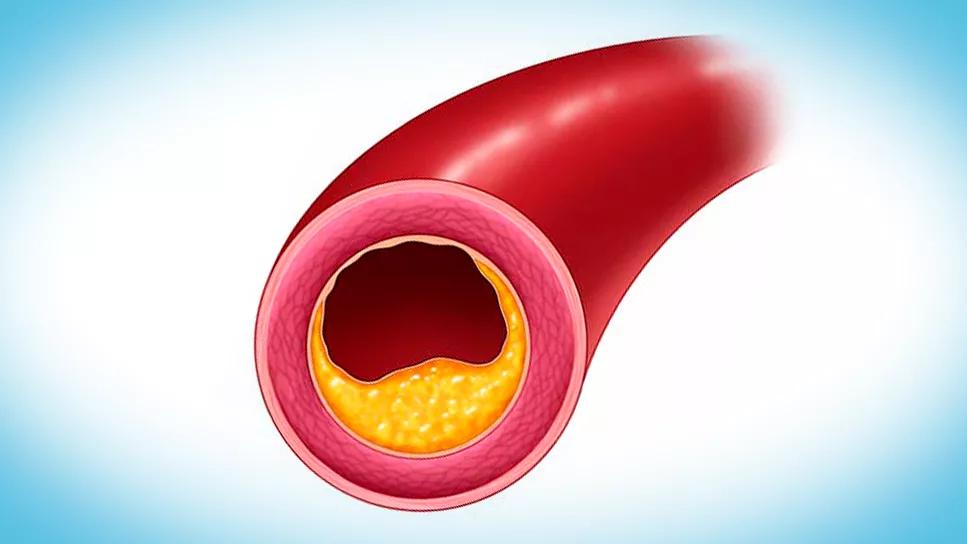
Dehydration may reduce blood volume and make circulation less efficient.
Proper hydration helps the blood move more easily through vessels and supports normal body functions.
Doctors commonly recommend drinking water consistently throughout the day, especially during hot weather or exercise.
5. Eat Foods Rich in Antioxidants
Berries, citrus fruits, tomatoes, and dark chocolate contain antioxidants that may help protect blood vessels from oxidative stress.
Some studies suggest antioxidants may support the health of the inner lining of blood vessels, known as the endothelium.
Popular circulation-friendly foods include:
- Blueberries
- Strawberries
- Oranges
- Grapes
- Tomatoes
Dark chocolate with high cocoa content may also support blood vessel function when consumed in moderation.
6. Reduce Smoking and Excess Alcohol
Smoking damages blood vessels and reduces oxygen levels in the blood. It is one of the biggest risk factors for poor circulation and cardiovascular disease.
Excessive alcohol intake may also negatively affect blood pressure and heart health.
Doctors emphasize that avoiding tobacco and limiting alcohol can significantly support healthier blood flow over time.
7. Manage Stress Levels
Chronic stress may affect circulation by increasing stress hormones and raising blood pressure.
Simple habits that may help include:
- Deep breathing
- Meditation
- Better sleep
- Spending time outdoors
- Relaxation exercises
Mental health and cardiovascular health are more connected than many people realize.
8. Limit Highly Processed Foods

Diets high in processed foods, excess sodium, sugar, and unhealthy fats may contribute to inflammation and poor cardiovascular health.
Experts generally recommend focusing on:
- Whole foods
- Fruits and vegetables
- Lean proteins
- Healthy fats
- Whole grains
Small dietary improvements over time may help support better circulation and long-term heart health.
When to See a Doctor
Poor circulation symptoms should not be ignored, especially if they become persistent.
Warning signs may include:
- Leg pain when walking
- Swelling
- Numbness
- Chest discomfort
- Persistent cold hands or feet
- Skin color changes
These symptoms can sometimes indicate underlying vascular or heart conditions that require medical attention.
The Bottom Line
Healthy blood flow depends on many factors, including diet, exercise, hydration, sleep, and overall lifestyle habits. While no single food can instantly “clean” arteries, doctors say consistent healthy choices may help support circulation and cardiovascular wellness over time.
Simple habits like staying active, eating more fruits and vegetables, drinking enough water, and avoiding smoking can make a meaningful difference for long-term health.
Sources
- American Heart Association
- Mayo Clinic – Heart-Healthy Lifestyle
- Cleveland Clinic – Poor Circulation Overview
- Harvard T.H. Chan School of Public Health