Eat These 6 Foods to Help Detoxify Your Ovaries and Prevent Gynecological Diseases
Ovarian health is essential for women’s overall well-being, fertility, and hormonal balance. Detoxifying the ovaries naturally through diet can support their function and reduce the risk of gynecological diseases such as ovarian cysts, hormonal imbalances, and infections. Incorporating certain foods into your daily diet helps cleanse toxins, improve circulation, and promote reproductive health. Here are six foods that women should eat to support ovarian detoxification.
1. Leafy Green Vegetables

Leafy greens like spinach, kale, and Swiss chard are rich in antioxidants, vitamins, and minerals that help flush toxins from the body. They contain folate, vitamin C, and fiber, which promote hormonal balance and improve blood flow to the reproductive organs, supporting healthy ovarian function.
2. Berries

Berries such as blueberries, strawberries, and raspberries are packed with antioxidants and anti-inflammatory compounds. These nutrients help protect ovarian cells from oxidative stress and damage caused by free radicals, reducing the risk of ovarian disorders.
3. Turmeric
Turmeric contains curcumin, a powerful anti-inflammatory and antioxidant compound. It aids in detoxification by supporting liver function, which in turn helps clear hormonal toxins that can affect the ovaries. Incorporating turmeric into meals or drinking turmeric tea regularly may benefit ovarian health.
4. Walnuts
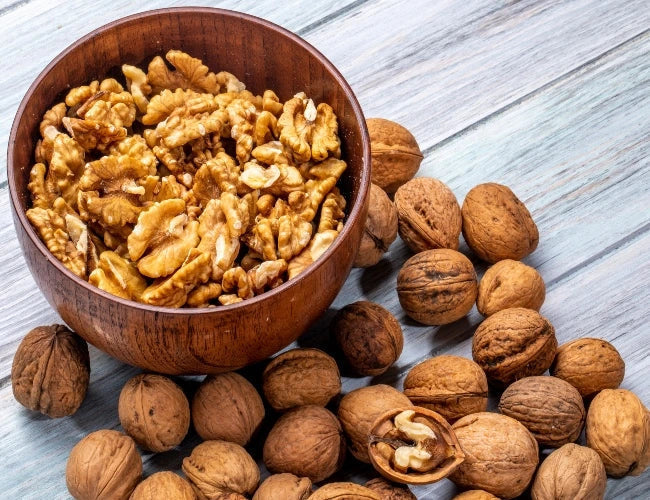
Walnuts are an excellent source of omega-3 fatty acids, which help reduce inflammation and improve hormonal balance. They also contain essential nutrients like vitamin E and selenium that support reproductive health and help detoxify the ovaries.
5. Beets
Beets are rich in betalains and fiber, which support liver detoxification and promote healthy blood circulation. Improved circulation ensures that toxins are effectively removed from the ovaries and reproductive system, aiding in detoxification.
6. Green Tea
Green tea is renowned for its antioxidant properties and ability to enhance metabolism and detoxification processes. Drinking green tea regularly can help eliminate toxins and support the body’s natural cleansing functions, including those of the ovaries.
Additional Tips for Ovarian Detoxification
-
Stay hydrated: Drinking plenty of water helps flush out toxins and supports all bodily functions.
-
Avoid processed foods and excess sugar: These can increase inflammation and hormonal imbalances.
-
Exercise regularly: Physical activity promotes blood circulation and supports detoxification.
-
Consult a healthcare professional: Before starting any detox regimen, especially if you have existing health conditions.
Conclusion
Supporting ovarian health through diet is a natural and effective way to promote fertility and prevent gynecological diseases. Including these six foods in your daily meals can help detoxify your ovaries, balance hormones, and protect against reproductive health issues. Combine a nutritious diet with a healthy lifestyle for the best results.
7. Understanding How the Ovaries Really Work
Before exploring more ways to support ovarian health, it is important to understand what the ovaries actually do. These two small organs, located on either side of the uterus, play a major role in the reproductive system. They contain follicles that house immature eggs and produce hormones, including estrogen and progesterone.
These hormones influence more than reproduction. They contribute to menstrual cycles, bone strength, skin health, and several aspects of metabolism and overall well-being. Hormonal patterns naturally change throughout a woman's life, from puberty through the reproductive years and into perimenopause and menopause.
Because the ovaries are involved in so many important processes, maintaining general health is valuable. However, ovarian health is not determined by a single food or supplement. Genetics, age, underlying medical conditions, medications, lifestyle, and environmental exposures can all influence reproductive health.
The body also has its own systems for processing and eliminating waste products. The liver transforms many substances so they can be eliminated, while the kidneys filter blood and regulate fluid and mineral balance. The digestive system helps remove waste through bowel movements.
There is no established dietary method for selectively flushing toxins out of the ovaries. Instead, the practical goal is to support the body with adequate nutrition, regular physical activity, sufficient sleep, and appropriate medical care.
8. Cruciferous Vegetables: A Valuable Addition to Your Diet
Broccoli, cauliflower, cabbage, Brussels sprouts, and bok choy belong to a vegetable family known as cruciferous vegetables. These foods provide fiber, vitamins, minerals, and naturally occurring plant compounds that contribute to a balanced diet.
Some cruciferous vegetables contain glucosinolates, which can be broken down into biologically active compounds during food preparation and digestion. Researchers have studied these compounds for their potential roles in cellular protection and the body's normal processing of certain substances.
However, these findings do not mean that eating broccoli can remove toxins directly from the ovaries or prevent ovarian disease. Research on individual plant compounds does not automatically establish that a particular food prevents a specific medical condition in humans.
Their everyday nutritional benefits are still worthwhile. Fiber supports bowel regularity and digestive health, while vitamins and other nutrients help maintain normal bodily functions.
How to include them in your meals:
-
Add steamed broccoli to lunch or dinner.
-
Prepare a vegetable soup with cabbage and cauliflower.
-
Stir-fry bok choy with garlic and a small amount of cooking oil.
-
Combine several vegetables in a colorful salad.
Try to vary the vegetables you eat throughout the week. Different varieties supply different combinations of nutrients, and variety makes a healthy eating pattern easier to maintain over time.
9. Beans and Lentils: Plant-Based Nutrition for Hormonal Health
Beans, lentils, chickpeas, and other legumes are excellent sources of plant-based protein, fiber, folate, iron, and other important nutrients. They can be especially useful for women who want to improve the nutritional quality of their diets without relying heavily on processed meats or other highly processed foods.