Eating cabbage every day can have a mix of great health benefits and a few possible downsides, depending on how much you eat and how your body responds.
🥬 What happens to your body
✅ 1. Your digestion may improve
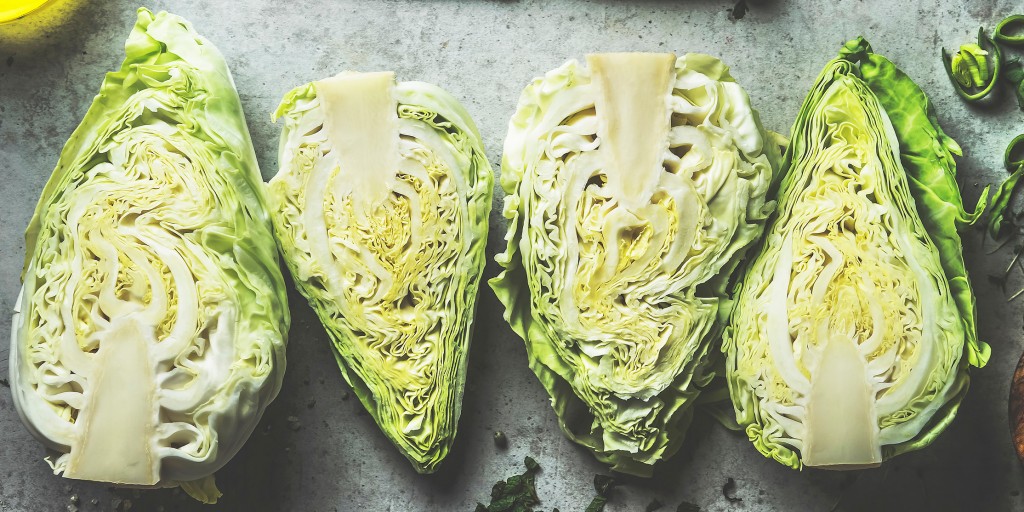
Cabbage is rich in fiber, which helps keep your gut moving regularly and supports healthy digestion. It can also nourish beneficial gut bacteria.
🛡️ 2. You get a boost of vitamins and antioxidants
Cabbage is packed with:
- Vitamin C → supports immunity and skin health
- Vitamin K → important for blood clotting and bones
- Antioxidants → help reduce inflammation and protect cells
❤️ 3. Your heart health may improve
Compounds in cabbage (like anthocyanins in purple cabbage) are linked to:
- Lower inflammation
- Better blood vessel function
- Reduced risk of heart disease
⚖️ 4. It may help with weight management
Low in calories but high in fiber, cabbage helps you feel full longer—so you may naturally eat less overall.
⚠️ 5. You might feel more bloated or gassy

Cabbage contains sulfur compounds and certain carbs that can cause:
- Gas
- Bloating
- Mild stomach discomfort (especially if eaten raw or in large amounts)
🦋 6. It can affect your thyroid (in rare cases)
Cabbage is a “goitrogenic” food, meaning very large amounts (especially raw) might interfere with thyroid function—particularly if you already have iodine deficiency. Cooking reduces this effect.
🧂 7. Watch out for sodium if fermented

If you eat cabbage as sauerkraut or kimchi, you’ll also be consuming more salt, which can impact blood pressure if overdone.
🧠 Bottom line
Eating cabbage every day is generally healthy and safe if:
- You vary how you prepare it (raw, cooked, fermented)
- You don’t eat excessive amounts
- You listen to your body (especially digestion)
👉 A balanced approach is best—cabbage is great, but it shouldn’t be your only vegetable.