Many people have a habit of eating raw garlic because they believe it acts as a natural antibiotic. However, consuming it carelessly or incorrectly can be harmful to your health.
Garlic has long been known for its many health benefits. Research shows that 100 grams of garlic contains 6.36 grams of protein and 33 grams of carbohydrates, along with nutrients such as B vitamins (B1, B2, B3, B6), iron, calcium, potassium, manganese, magnesium, and phosphorus. Regular consumption of garlic may help prevent and treat colds and flu, support cancer treatment, improve bone and joint function, detoxify the blood, and help prevent Alzheimer’s disease.
The dangers of eating raw garlic the wrong way
Because garlic has many medicinal properties, many people view it as a natural antibiotic and believe that eating raw garlic every day can kill bacteria, protect blood vessels, and even replace medication.
However, medical experts emphasize that consuming raw garlic indiscriminately or inappropriately can pose many health risks, especially to the stomach and liver, and may even cause serious problems for the body.
Harmful effects on the stomach
Many people have the habit of chewing two cloves of garlic on an empty stomach in the morning because they believe this is the best way to absorb nutrients. In reality, this can be very harmful to the stomach.
Raw garlic contains allicin, a highly irritating compound. When the stomach is empty, allicin directly irritates and damages the stomach lining, causing symptoms such as acid reflux, heartburn, and stomach pain, while also worsening existing stomach lining damage.
Studies show that patients with stomach ulcers often experience severe stomach pain or even stomach bleeding after eating raw garlic on an empty stomach. Even people with healthy stomachs may develop chronic gastritis if they consume raw garlic this way over a long period.
The proper way to use garlic is as a seasoning, such as adding it to stir-fried dishes, cold dishes, noodles, or rice. Food helps dilute allicin, reducing stomach irritation without significantly reducing its effectiveness.
Effects on the digestive system
Many people mistakenly believe that eating more garlic will provide greater benefits, but the body cannot handle excessive amounts of raw garlic.
In small amounts, garlic may help regulate blood lipids and inhibit bacteria. However, consuming large amounts — such as more than five or six cloves per day — can first irritate the intestines, leading to diarrhea, bloating, gas, and persistent abdominal discomfort. It may also disrupt the balance of gut bacteria, worsening digestive health over time.
Secondly, excessive garlic intake can overwork the liver. Garlic metabolism depends heavily on the liver, and consuming too much garlic for a long period is like placing an extra burden on the liver’s detoxification function. Some people also experience cracked lips and a burning throat after eating too much garlic, which are signs that the body is overloaded.
Safe dosage: Healthy adults only need about 1–2 cloves per day. Do not treat garlic like medicine and consume it excessively. Even natural foods have safe limits.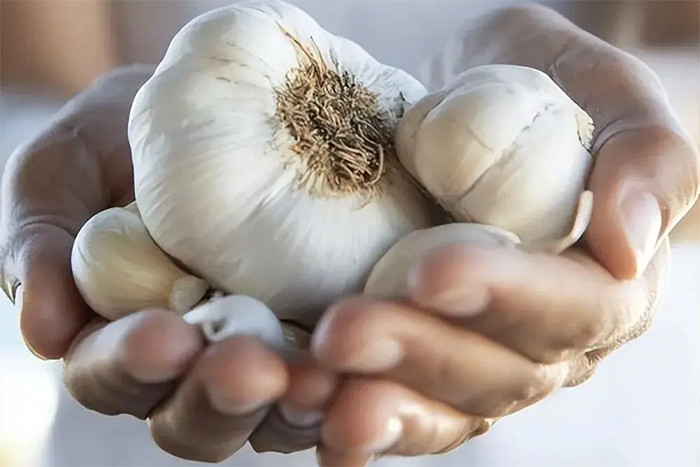
People who should absolutely avoid eating raw garlic
Although raw garlic has many benefits, certain people should avoid eating it raw and only use cooked garlic as a seasoning in meals.
People with stomach problems
Those with stomach ulcers, duodenal ulcers, or acid reflux should avoid raw garlic because it directly irritates ulcers and worsens pain and acid reflux symptoms.
People taking blood-thinning medication
People using medications such as warfarin or aspirin for cardiovascular or cerebrovascular conditions may experience increased blood-thinning effects if they consume too much raw garlic, which can raise the risk of brain hemorrhage and gastrointestinal bleeding.
Breastfeeding mothers
The strong smell of raw garlic may affect breast milk, causing babies to refuse breastfeeding because of the unusual taste and odor.
People with allergies
Those allergic to onions or garlic may experience rashes, sneezing, or even difficulty breathing after consuming them.
Garlic is not a miracle cure
Although garlic offers many health benefits, it is important to remember that garlic is not a miracle remedy that can replace medication.
Some people hear that “garlic can lower blood pressure and cholesterol” and stop taking their prescribed medicine, relying solely on eating raw garlic every day. This is a very dangerous misconception.
In reality, allicin may inhibit certain bacteria and help regulate blood lipids in laboratory studies, but these effects are nowhere near as strong or reliable as medical treatments. Medications undergo rigorous testing for dosage and effectiveness, while garlic should only be considered a supportive dietary ingredient.
There have been cases where people stopped taking blood pressure medication and switched to eating garlic instead, leading to uncontrolled hypertension and eventually causing cerebral infarction. Similarly, relying on garlic to lower blood lipids can delay proper treatment and worsen blood vessel blockage.
Good health requires balance, not blind imitation
Maintaining good health is not about “eating whatever others say is healthy.” You must consider your own physical condition and medical history. Blindly following trends can actually be harmful.
Healthy habits are actually very simple: treat garlic as a regular seasoning or side dish, eat 1–2 cloves per day with meals, avoid eating it on an empty stomach, do not consume too much, and never use it as a substitute for medication.
More importantly, instead of relying on a single “miracle food,” maintain regular sleep habits, follow a balanced diet, and exercise moderately to build a strong foundation for long-term health.