Beets may not be the first vegetable that comes to mind when you think about healthy eating, but these deep red-purple roots are packed with naturally occurring compounds that have attracted plenty of scientific attention.
From their vibrant color to their earthy flavor, beets are surprisingly nutrient-dense. They contain dietary fiber, folate, potassium, manganese, vitamin C, and naturally occurring nitrates, along with pigments called betalains.
Eating beets regularly may therefore have several interesting effects on the body. Some may be beneficial, while others can be surprising enough to make you wonder whether something is wrong.
The key is understanding what can happen and why.
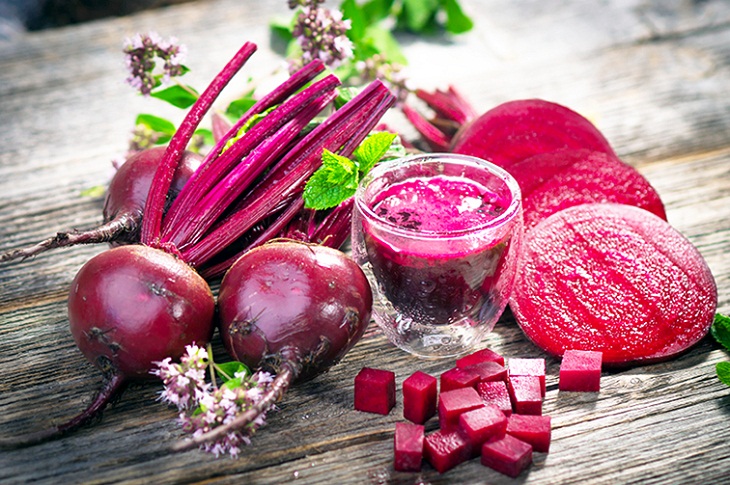
1. Your Urine May Turn Pink or Red
Perhaps the most surprising effect of eating beets is one that can cause unnecessary panic.
After eating beets, some people notice that their urine becomes pink, red, or reddish-purple.
This phenomenon is known as beeturia.
It happens because beet pigments called betalains can pass through the digestive system and, in some people, appear in the urine.
The intensity can vary considerably. Some people notice almost no change, while others may see a dramatic red or pink color.
It can look alarming.
But after eating beets, red urine isn't automatically a sign of bleeding.
That said, you shouldn't assume that every episode of red urine is caused by beets. If you haven't recently eaten beets, or if the discoloration persists, is accompanied by pain, burning, blood clots, fever, or other symptoms, medical evaluation is appropriate.
2. Your Stool Can Change Color Too
The same pigments responsible for beeturia can sometimes affect bowel movements.
After eating a significant amount of beets, stool may appear reddish or darker than usual.
Again, this can be startling.
The digestive system doesn't necessarily break down every pigment completely, allowing some of the characteristic color to remain visible.
For many people, the change disappears after the beets have passed through the digestive system.
However, persistent blood-colored stool shouldn't automatically be attributed to beets. If you're uncertain about the cause, especially if the change continues after you've stopped eating beets, consult a healthcare professional.
3. Beets Provide Natural Nitrates
One of the most interesting characteristics of beets is their naturally occurring dietary nitrate content.
Once consumed, nitrate can participate in pathways that ultimately increase the availability of nitric oxide in the body.
Nitric oxide plays an important role in blood-vessel function.
It helps regulate vasodilation, meaning the widening of blood vessels.
This has made beetroot particularly interesting to researchers studying cardiovascular health and exercise performance.
Some studies suggest that nitrate-rich beetroot products may have beneficial effects on aspects of cardiovascular function and exercise efficiency.
However, the effects can vary from person to person, and eating beets should not be considered a replacement for prescribed treatment for high blood pressure or cardiovascular disease.
4. Beets May Support Exercise Performance
Beetroot has become increasingly popular among athletes and physically active people.
Why?
The nitrate content may contribute to greater nitric oxide availability, which can influence blood flow and oxygen utilization.
Some research has found that consuming nitrate-rich beetroot products before exercise may improve certain measures of exercise efficiency or endurance, particularly during activities involving sustained effort.
But there is an important distinction between eating ordinary servings of beets and consuming concentrated beetroot juice or nitrate supplements used in research.
The amount of nitrate can differ substantially.
So while beets can be a nutritious addition to an active lifestyle, you shouldn't assume that eating a small serving will produce a dramatic athletic boost.
5. Their Fiber Can Support Digestion
Beets also provide dietary fiber.
Fiber plays an important role in digestive health because it contributes to normal bowel function and can help support regularity.
Including fiber-rich foods in your diet may help keep bowel movements more consistent, particularly when combined with adequate fluid intake.
Beets aren't a magical solution for constipation, however.
Your overall dietary pattern matters.
Other useful sources of fiber include:
-
Beans and lentils
-
Whole grains
-
Vegetables
-
Fruits
-
Nuts and seeds
Increasing fiber gradually can be more comfortable for your digestive system than suddenly consuming very large amounts.
6. Some People May Experience More Gas or Bloating
While fiber can support digestive health, increasing fiber too quickly can sometimes cause temporary digestive discomfort.
If you're not accustomed to eating many high-fiber foods and suddenly consume a large amount of beets, you may experience:
Gas
Bloating
Abdominal discomfort
This doesn't necessarily mean that beets are harmful to you.
It may simply mean your digestive system needs time to adjust.
Starting with a moderate serving and gradually increasing fiber intake can be easier to tolerate.
7. Beets Are Rich in Antioxidant Plant Compounds
The intense color of beets comes largely from pigments called betalains.
These compounds have antioxidant properties and have been studied for their potential biological effects.
Antioxidants are substances that can help protect cells from oxidative damage as part of the body's broader defense systems.
Beets also contain other plant compounds that contribute to their nutritional profile.
However, it's important not to turn this into an exaggerated health claim.
Eating beets does not mean that you're "detoxing" your body or preventing disease automatically.
The body already has sophisticated systems for processing and eliminating waste.
Beets simply provide useful nutrients and plant compounds as part of a varied diet.
8. Beets May Contribute to a Heart-Healthy Diet
Beets can fit nicely into an overall heart-conscious eating pattern.
They're naturally low in saturated fat and provide fiber, potassium, folate, and other nutrients.
Their nitrate content is also one reason researchers have investigated beetroot in relation to blood pressure and vascular function.
But remember that cardiovascular health depends on many factors.
Regular physical activity, not smoking, adequate sleep, maintaining a healthy weight when appropriate, managing blood pressure and cholesterol, and eating a balanced diet can all matter.
No single vegetable can replace those habits.
9. They May Be Worth Discussing If You Have Kidney Stones
This is one area where individual circumstances matter.
Beets are relatively high in oxalates, naturally occurring compounds found in many plant foods.
For people who are prone to certain types of kidney stones—particularly calcium oxalate stones—dietary oxalate intake may sometimes be relevant.
That doesn't mean everyone needs to avoid beets.
For most people, eating a normal variety of vegetables is perfectly reasonable.
But if you've been diagnosed with recurrent calcium oxalate kidney stones, ask your healthcare professional or a registered dietitian whether limiting high-oxalate foods makes sense for your particular situation.
10. Beets Can Be Surprisingly Versatile
One reason beets are easy to include in a healthy diet is their versatility.
You can roast them until tender and serve them alongside other vegetables.
You can grate raw beets into salads.
They can be blended into soups or incorporated into grain bowls.
Cooked beets can also be combined with leafy greens, nuts, seeds, or a protein source to create a balanced meal.
Their earthy flavor pairs well with acidic ingredients such as lemon or vinegar.
You don't need to consume large quantities to benefit from including them in your diet.
What About Beet Juice?
Beet juice deserves a separate discussion.
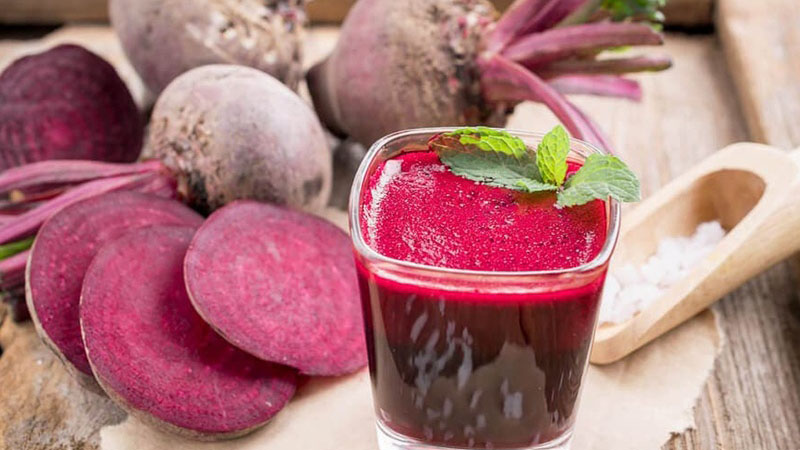
Juicing concentrates the liquid portion of the vegetable while removing much of the fiber found in the whole food.
Some research on exercise and blood-pressure effects has specifically used concentrated beetroot juice, rather than ordinary servings of cooked beets.
That means the findings from those studies shouldn't automatically be applied to every glass of homemade beet juice.
Additionally, commercially available beet products can vary significantly in their nitrate content and serving size.
If you're considering concentrated beetroot products for a specific health purpose, particularly if you take medication for blood pressure or have another medical condition, it's worth discussing them with your healthcare professional.
Beets and Blood Pressure: What Should You Know?
Because dietary nitrates can contribute to nitric oxide production, beetroot has been studied in relation to blood pressure.
Some clinical research suggests that nitrate-rich beetroot consumption may produce modest reductions in blood pressure in certain people.
But this doesn't mean beets can replace blood-pressure medication.
If you have hypertension and are taking prescribed medication, don't stop or adjust it because you've started eating beets.
Instead, think of beets as one nutritious food that may complement an otherwise healthy eating pattern.
Why Your Body May React Differently Than Someone Else's
Have you ever eaten beets with a friend and noticed that your urine changed color while theirs didn't?
That's completely possible.
People can respond differently to the same foods.
Differences in digestion, metabolism, gut conditions, diet, and individual biology can influence how strongly beet pigments appear in urine or stool.
The same principle applies to digestive effects.
One person might eat a large serving of beets without any discomfort.
Another might experience bloating after a much smaller amount.
Neither reaction necessarily means something is wrong.
Are Beets Safe for Everyone?
For most healthy adults, beets can be part of a varied, balanced diet.
But certain individuals may need to pay more attention to portion sizes or discuss dietary choices with a healthcare professional.
This can include people with:
-
A history of certain kidney stones
-
Specific kidney conditions
-
Conditions requiring careful potassium management
-
Individual dietary restrictions
-
Certain medication or treatment considerations
If you have a medical condition that requires dietary restrictions, personalized guidance is more useful than generic advice from the internet.
Don't Let the Color Scare You
One of the funniest things about beets is that their strongest feature—their incredible color—can also make people think something is wrong.
Red urine.
Red stool.
Brightly colored cooking water.
Deep purple stains on cutting boards.
All of these can make a person wonder what happened.
But beet pigments are powerful natural compounds.
The dramatic color doesn't necessarily mean anything dangerous is happening.
Still, context matters.
If you notice blood in your urine or stool and haven't eaten beets recently, don't assume it's beet-related.
And even after eating beets, persistent or concerning symptoms deserve medical attention.
How Much Should You Eat?
There isn't one universally appropriate amount of beets for everyone.
A moderate serving can easily fit into a balanced diet.
You don't need to consume huge amounts to make beets "work."
In fact, eating a wide variety of vegetables is generally more useful than focusing excessively on one particular food.
Try rotating beets with foods such as:
Spinach
Broccoli
Carrots
Bell peppers
Tomatoes
Cabbage
Sweet potatoes
Different vegetables provide different combinations of nutrients and plant compounds.
Variety is the real advantage.
The Bigger Picture Matters Most
It's easy to become fascinated by one food and ask whether it can transform your health.
But nutrition doesn't work that way.
Eating beets while consuming an otherwise highly processed diet won't magically cancel out unhealthy habits.
Likewise, not eating beets doesn't mean you're missing a miracle food.
What matters most is your overall dietary pattern.
A diet rich in vegetables, fruits, whole grains, legumes, nuts, seeds, and appropriate protein sources can provide a broad range of nutrients.
Beets can simply be one colorful piece of that larger picture.
The Bottom Line
Eating beets can produce some genuinely surprising effects.
Your urine or stool may temporarily turn red or pink. Their fiber can support normal digestion. Their natural nitrates may contribute to nitric oxide production and have been studied for effects on blood pressure and exercise performance. Their betalain pigments provide antioxidant plant compounds.
At the same time, beets aren't a miracle cure.
People with certain medical conditions—particularly those involving kidney stones or dietary mineral restrictions—may need individualized advice.
And if you're taking medication for a medical condition, don't replace prescribed treatment with dietary changes without discussing it with your healthcare professional.
For most people, though, beets are simply a nutritious, colorful vegetable that can add variety to meals.
So the next time you slice into a beet and notice that unmistakable crimson color, don't be surprised if your body leaves a little evidence behind.
Sometimes the most unexpected effects of a healthy food are also the most harmless ones.