If you already experience acid reflux, you may find that strong ginger tea, ginger shots, or large amounts of raw ginger make your symptoms worse.
This does not mean everyone with reflux must avoid ginger. Some people tolerate it without difficulty, while others notice clear discomfort after consuming it.
The practical approach is to pay attention to your own response.
If you experience burning, sour-tasting regurgitation, or discomfort after drinking ginger tea, try reducing the amount or stopping it temporarily to see whether symptoms improve.
Avoid assuming that a stronger drink will produce greater health benefits.
A concentrated ginger shot may contain considerably more ginger than you would normally use to season a meal, and its effects may be different.
If heartburn occurs frequently, wakes you at night, or is associated with difficulty swallowing, unexplained weight loss, or persistent vomiting, seek medical advice.
5. Ginger Can Cause Diarrhea and Abdominal Discomfort
Another possible consequence of consuming too much ginger is gastrointestinal irritation.
Some people tolerate ginger very well, even when they use it regularly. Others may develop loose stools, abdominal discomfort, or an unsettled stomach after increasing their intake.
These effects are more likely to become noticeable when someone suddenly begins consuming large amounts or takes concentrated supplements.
Imagine someone who normally adds a small slice of ginger to soup but decides to drink several strong ginger shots every day. Their digestive system may not respond the way they expect.
If you develop diarrhea or stomach discomfort after increasing your ginger intake, reduce the amount or stop using it and observe whether the symptoms resolve.
Make sure you drink enough fluids if you experience diarrhea.
Persistent diarrhea, severe abdominal pain, fever, blood in the stool, or signs of dehydration require medical attention.
It is also important to remember that symptoms can have many causes. Ginger may be responsible, but an infection, another food, or a medication could also be involved.
The safest strategy is to introduce dietary changes gradually instead of assuming that large amounts of a natural ingredient are automatically beneficial.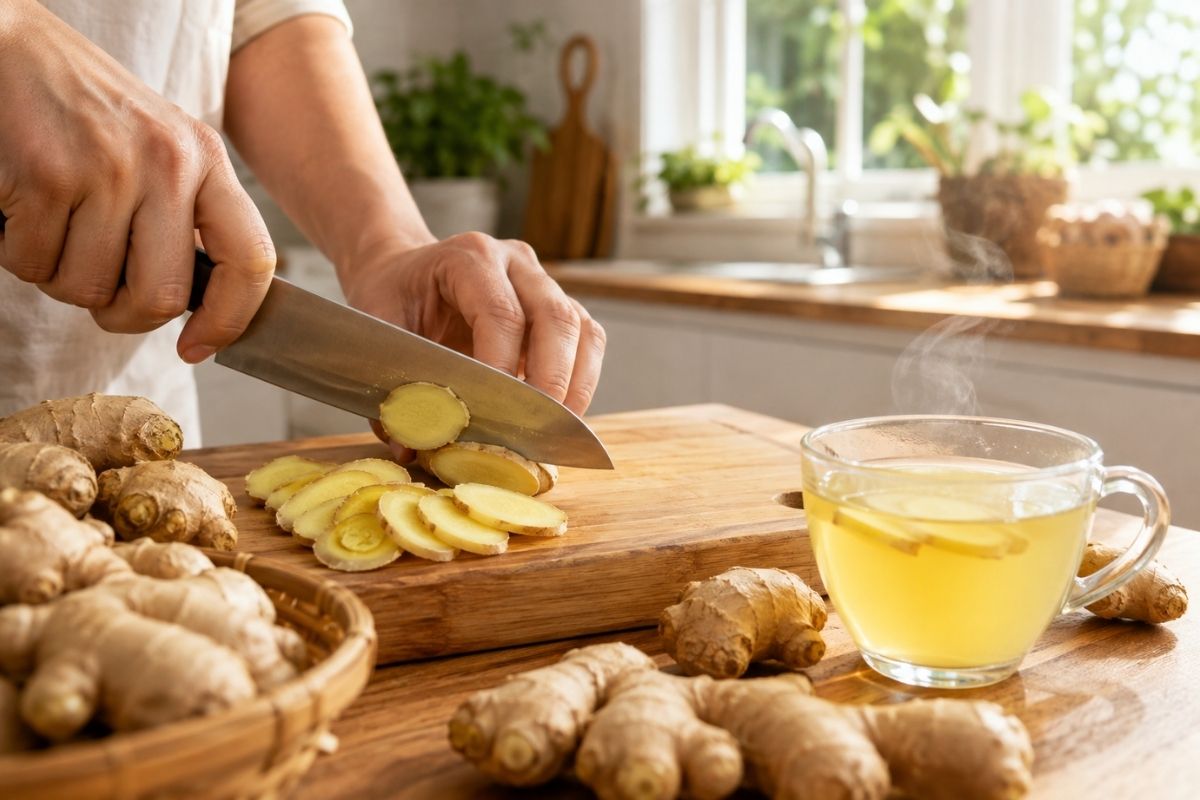
6. Could Ginger Affect Blood Clotting?
This is an area where people taking certain medications should be especially cautious.
Ginger contains compounds that have been investigated for their effects on platelet function and blood clotting. Some studies and clinical reports have raised concerns about possible interactions, particularly with concentrated supplements.
However, the evidence is not conclusive, and the extent of any interaction in people remains uncertain.
This distinction matters: eating a small amount of ginger in food is not the same as taking high-dose ginger capsules or extracts.
People taking anticoagulant or antiplatelet medications, such as warfarin or certain other blood-thinning medicines, should consult a healthcare professional before using concentrated ginger supplements regularly.
The same precaution is sensible for anyone with a bleeding disorder or someone preparing for surgery.
Do not stop prescribed medication or change its dose because you have started eating ginger.
If you take medication that affects blood clotting and want to use ginger therapeutically, ask your doctor or pharmacist to review the potential interaction based on your specific medication and health history.
Although the risk from ordinary culinary use is generally considered lower than the concern surrounding concentrated products, individual circumstances still matter.
7. Ginger May Influence Blood Sugar Levels
Ginger has also been investigated for its possible effects on blood glucose regulation.
Some studies suggest that particular ginger supplements may influence blood sugar measurements in people with diabetes or related metabolic conditions. However, the findings are not sufficient to conclude that ginger reliably controls diabetes or replaces established treatment.
For people with diabetes, the important distinction is between using ginger as a food ingredient and taking concentrated supplements in an attempt to lower blood sugar.
Normal culinary amounts can generally fit into a balanced eating pattern. Larger supplemental doses deserve more caution, especially when combined with insulin or medicines that lower blood glucose.
If a supplement meaningfully affects glucose levels, combining it with medication could potentially increase the risk of hypoglycemia, although the clinical significance of ginger interactions remains uncertain.
Symptoms of low blood sugar can include shakiness, sweating, dizziness, confusion, and a rapid heartbeat.
If you have diabetes, continue following your prescribed treatment plan and monitoring recommendations. Do not replace medication with ginger tea, ginger juice, or supplements.
Before starting a concentrated ginger product, discuss it with your healthcare professional, particularly if your blood sugar is already difficult to control.
8. Does Ginger Lower Blood Pressure?
You may have seen claims that ginger can naturally lower blood pressure.
Researchers have investigated ginger's possible cardiovascular effects, but the evidence is not strong enough to treat it as a reliable blood pressure remedy.