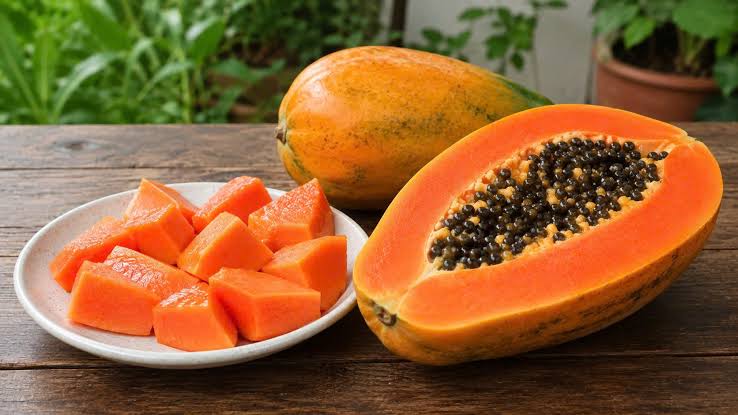
Papaya is often celebrated as a delicious tropical fruit with an impressive nutritional profile. Soft, naturally sweet, and easy to eat, it provides vitamin C, vitamin A precursors, folate, fiber, and a variety of plant compounds. Ripe papaya can be enjoyed on its own, added to fruit salads, blended into smoothies, or used in many traditional dishes.
For most healthy adults, papaya can be a perfectly reasonable part of a balanced diet.
But like almost any food, papaya may not be suitable for everyone in every situation.
Certain people may need to limit it, avoid it temporarily, or discuss their intake with a healthcare professional. The reasons can range from allergies and digestive sensitivity to pregnancy-related concerns, medication considerations, and reactions to latex.
That does not mean papaya is a dangerous fruit.
Rather, it means that individual circumstances matter.
Understanding who may need to exercise caution can help you enjoy papaya more safely while avoiding unnecessary fear or overly broad claims about the fruit.
Why Is Papaya Considered a Healthy Fruit?
Before discussing potential concerns, it is worth understanding why papaya is so popular in nutrition.
Papaya is naturally rich in vitamin C, an antioxidant nutrient involved in immune function, collagen production, wound healing, and iron absorption.
It also contains carotenoids such as beta-carotene, which the body can convert into vitamin A. Vitamin A is important for normal vision, immune function, skin, and other biological processes.
Papaya also provides dietary fiber, which can contribute to digestive health and help support regular bowel movements.
Another interesting component is papain, an enzyme naturally found in papaya, particularly in the unripe fruit and latex. Papain has protein-digesting properties and is also used commercially in certain food-processing applications.
With all these nutrients, it is easy to understand why papaya has developed a reputation as a health-promoting food.
But nutritional value does not mean that every person should eat unlimited quantities.
1. People With a Papaya Allergy
The clearest reason to avoid papaya is a known allergy to the fruit.
Food allergies occur when the immune system mistakenly identifies a food protein as harmful and produces an immune response.
Although papaya allergy is not among the most common food allergies, reactions can occur.
Symptoms may include:
-
Itching or tingling in the mouth
-
Swelling of the lips or tongue
-
Hives
-
Skin irritation
-
Stomach pain
-
Nausea or vomiting
-
Wheezing
-
Difficulty breathing
A severe allergic reaction can become an emergency.
Anyone who has previously experienced an allergic reaction to papaya should not simply try eating more of it to “see if it happens again.” Medical evaluation may be appropriate to determine the cause and severity of the reaction.
And if someone develops difficulty breathing, throat swelling, severe dizziness, or other signs of a serious allergic reaction after eating papaya, emergency medical attention is warranted.
For someone with a genuine papaya allergy, the question isn't whether the fruit is healthy.
The question is whether their immune system tolerates it.
2. People With Latex Allergy
One of the more interesting connections involves latex-fruit syndrome.
Some proteins found in natural rubber latex are structurally similar to proteins found in certain fruits. As a result, some people with latex allergy may experience reactions to foods such as papaya, avocado, banana, and kiwi.
This does not mean everyone with latex allergy will react to papaya.
However, the association is important enough to be aware of.
Someone with a known latex allergy who notices itching, swelling, mouth irritation, hives, or other symptoms after eating papaya should discuss the reaction with an allergy specialist.
People should also avoid assuming that a suspected food reaction is harmless simply because the food itself is generally considered nutritious.
Allergic reactions are highly individual.
3. Pregnant Women Should Be Careful With Unripe or Semi-Ripe Papaya
Pregnancy is one of the most frequently discussed situations when it comes to papaya.
The concern is primarily about unripe or semi-ripe papaya, rather than fully ripe papaya.
Unripe papaya contains significantly more latex and papain-related compounds than ripe fruit. Experimental research has raised concerns about the effects of concentrated papaya latex on uterine tissue, although evidence in humans is limited and does not mean that eating a normal serving of ripe papaya causes miscarriage.
Because pregnancy is a period when dietary decisions can have particular consequences, caution is reasonable.
Pregnant women should generally avoid consuming unripe or semi-ripe papaya in large amounts or in concentrated forms unless their healthcare professional specifically says it is appropriate.
Fully ripe papaya is a different situation and is commonly eaten as food, but individual medical circumstances can vary.
If you are pregnant and unsure whether a particular papaya preparation is safe—especially raw green papaya, concentrated extracts, supplements, or herbal products—ask your obstetrician or healthcare provider.
The important distinction is:
Ripe papaya and unripe papaya are not nutritionally identical.
4. People Taking Certain Medications
Papaya itself is a food, but its compounds may be relevant to people taking certain medications.
One area of concern involves blood-thinning or anticoagulant medications, particularly warfarin.
Vitamin K is important in blood clotting, although papaya is not considered an exceptionally high-vitamin-K food compared with leafy green vegetables. More importantly, individual medications and dietary patterns can interact in complex ways.
Some reports and studies have raised questions about possible interactions between papaya products and medications, but the evidence is not strong enough to conclude that ordinary servings of ripe papaya are dangerous for everyone taking medication.
The safest approach is simple:
If you take prescription medication regularly, particularly anticoagulants or medications with a narrow therapeutic range, ask your doctor or pharmacist whether there are any specific food interactions you should know about.
Do not stop a medication simply because you read that a fruit might interact with it.
5. People With Sensitive Digestion
Papaya is often promoted as a digestion-friendly food, partly because it contains fiber and papain.
However, not every digestive system responds to foods in exactly the same way.
Eating a large amount of papaya at once may cause digestive discomfort in some individuals.
Possible symptoms include:
-
Loose stools
-
Abdominal discomfort
-
Bloating
-
Nausea
-
Increased bowel activity
This can be particularly noticeable when someone suddenly increases their fruit or fiber intake.
If you normally eat very little fiber and then consume a large bowl of papaya, your digestive system may react simply because of the sudden dietary change.
A practical solution is to start with a modest serving.
If symptoms repeatedly appear after eating papaya, reduce the amount and consider discussing the pattern with a healthcare professional.
6. People Who Have Problems With Blood Sugar
Papaya is a fruit and contains naturally occurring carbohydrates and sugars.
For most people, this is not a problem.
Whole fruit also provides fiber and water, which can make it a very different nutritional choice from sugary drinks, candy, or highly processed desserts.
However, people with diabetes or those who have been instructed to monitor carbohydrate intake still need to consider portion size.
Eating a large amount of fruit in one sitting can contribute a substantial amount of carbohydrate to a meal.
That doesn't mean someone with diabetes must avoid papaya.
Instead, portion control and the overall meal pattern are more important.
A moderate serving of whole papaya may fit comfortably into many diabetes-friendly eating patterns, particularly when incorporated into a balanced meal plan.
If you have diabetes and are unsure how papaya affects your blood glucose, monitoring your response and discussing your diet with your healthcare team can provide more useful information than following blanket rules online.
7. People Considering Papaya Seeds or Concentrated Papaya Products
There is an important difference between eating ripe papaya flesh and consuming papaya seeds, extracts, powders, supplements, or concentrated preparations.
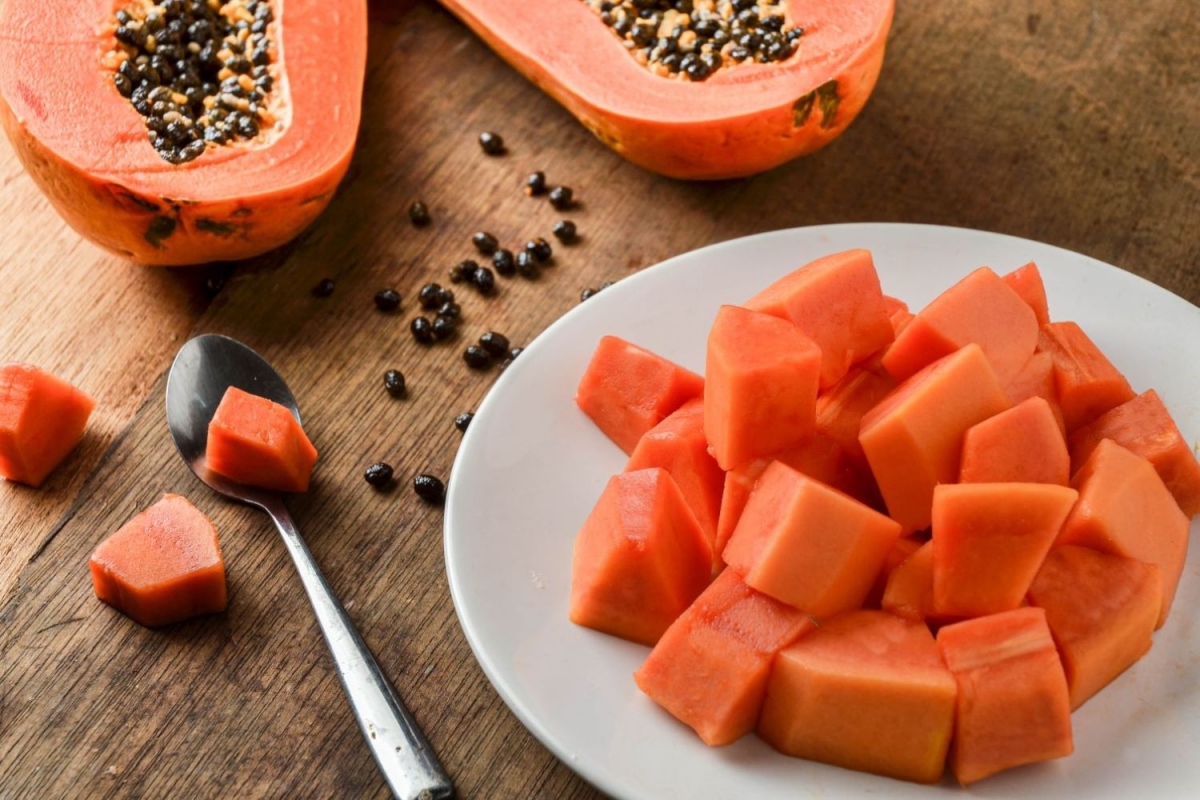
Papaya seeds have attracted attention online because of claims about digestion, parasites, fertility, detoxification, and other health effects.
However, these claims often go far beyond what has been established in high-quality human research.
The seeds contain different compounds from the fruit's flesh, and consuming large amounts or concentrated preparations is not equivalent to eating a normal serving of papaya.
The same principle applies to supplements.
A concentrated extract can deliver compounds at much higher levels than ordinary food.
Pregnant women, children, people taking medications, and individuals with chronic medical conditions should be particularly cautious about using concentrated papaya products without professional advice.
“Natural” does not automatically mean risk-free.
8. People With Certain Digestive or Medical Conditions
Some people may be following specialized diets because of an existing gastrointestinal condition or another health issue.
In those cases, whether papaya is appropriate depends on the individual's tolerance and treatment plan.
A person with a digestive disorder may tolerate a small serving of ripe papaya but react poorly to a large serving.
Another person may have no problem with the fruit at all.
This is why it is difficult to create a universal list of foods that everyone with a particular condition must avoid.
If you have been prescribed a specialized diet, follow the recommendations of your healthcare provider or registered dietitian rather than relying on generalized social-media claims.
Ripe Papaya vs. Green Papaya: Why the Difference Matters
One of the biggest sources of confusion surrounding papaya is the assumption that all papaya is nutritionally identical.
It isn't.
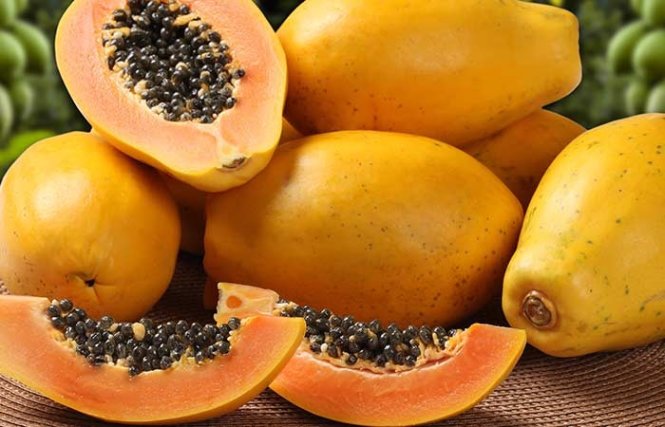
Ripe papaya is soft, sweet, orange or reddish inside, and commonly eaten as fresh fruit.
Green papaya is unripe and firmer, with a different chemical composition. It contains more latex and papain-related compounds.
Green papaya is widely used in cooking and traditional cuisines, so its existence does not mean that it is inherently dangerous.
However, pregnancy and concentrated consumption are situations where the difference deserves particular attention.
When reading claims about papaya online, always ask:
Are they talking about ripe fruit, unripe fruit, seeds, latex, or an extract?
Those are not interchangeable.
Does Papaya Really “Clean” or “Detox” the Body?
Papaya is sometimes marketed as a detoxifying food.
That language can be misleading.
Your liver, kidneys, lungs, digestive tract, and other systems already perform the body's normal processes for metabolizing and eliminating waste.
Eating papaya does not “flush toxins” from the body in a magical way.
What papaya can do is provide nutrients, water, fiber, and plant compounds that contribute to a healthy diet.
That is valuable enough without exaggerating its effects.
A healthy eating pattern is much more important than relying on a single fruit as a detox solution.
What About Papaya and Digestion?
Papain is one reason papaya is often associated with digestion.
Papain is a proteolytic enzyme, meaning it can break down proteins.
This property has practical uses in food processing and is one reason papaya has traditionally been associated with digestion.
But eating papaya should not be viewed as a treatment for chronic digestive disease.
If you regularly experience heartburn, persistent abdominal pain, diarrhea, constipation, unexplained weight loss, blood in your stool, or other ongoing gastrointestinal symptoms, the appropriate response is medical evaluation—not simply increasing your papaya intake.
How to Eat Papaya More Safely
For people who tolerate papaya normally, there are several simple ways to enjoy it.
Choose ripe fruit when eating it fresh.
Wash the outside of the fruit before cutting it, even though you do not eat the skin.
Keep cut papaya refrigerated and handle it like other perishable fresh produce.
Start with a moderate serving if you are not accustomed to eating much fruit or fiber.
Avoid assuming that concentrated papaya supplements have the same safety profile as ordinary food.
And if you have an allergy, medication concern, pregnancy-related question, or medically prescribed diet, seek individualized advice.
Common Myths About Papaya
Myth: Everyone should avoid papaya during pregnancy.
Not necessarily.
The greatest concern traditionally centers on unripe or semi-ripe papaya and concentrated papaya latex, not necessarily ordinary servings of fully ripe fruit. However, pregnant individuals should discuss uncertain foods or supplements with their healthcare provider.
Myth: Papaya is dangerous because it contains papain.
Not generally.
Papain is a naturally occurring enzyme and is part of why papaya is interesting nutritionally. The presence of papain does not make normal servings of ripe papaya dangerous for healthy people.
Myth: Papaya automatically lowers blood sugar.
Not in a way that should replace medical treatment.
Papaya can be part of a balanced diet, but people with diabetes should still consider carbohydrate intake and portion size.
Myth: Eating more papaya means better digestion.
Not necessarily.
A moderate amount may fit well into a healthy diet, but eating excessive amounts can cause digestive discomfort in some people.
Myth: Papaya seeds are a powerful natural medicine.
The evidence is not strong enough to support broad health claims.
Papaya seeds contain biologically active compounds, but research involving concentrated seed preparations should not be interpreted as proof that consuming large amounts is beneficial or safe.
So, Should You Stop Eating Papaya?
For most healthy people, there is no general reason to eliminate ripe papaya from the diet.
The fruit can be a nutritious addition to meals and snacks.
The people who need to think more carefully about papaya include those with a known papaya allergy, some people with latex allergy, pregnant individuals considering unripe or semi-ripe papaya or concentrated preparations, people taking certain medications, individuals with significant digestive sensitivities, and anyone following a medically prescribed diet.
The amount and form of papaya matter.
A few slices of ripe fruit are very different from a concentrated extract or large quantity of unripe papaya.
The Bottom Line
Papaya is nutritious, but no food is universally appropriate for every person in every circumstance.
For most healthy adults, ripe papaya can be enjoyed as part of a varied and balanced diet. It provides vitamin C, carotenoids, fiber, folate, and other nutrients without needing to be treated as a miracle food.
However, certain people should exercise additional caution.
Those with papaya allergies should avoid the fruit. People with latex allergy may need to be aware of possible cross-reactions. Pregnant women should be particularly cautious with unripe or semi-ripe papaya and concentrated papaya products. People taking medications or following specialized diets should consider their individual circumstances, while anyone with significant digestive sensitivity may need to adjust their portion.
Perhaps the most important lesson is to avoid extreme nutrition advice.
Papaya isn't a dangerous fruit that everyone needs to fear.
Nor is it a magical food that everyone needs to eat every day.
It is simply one nutritious food among many.
Enjoy it if your body tolerates it, pay attention to portion size, and be especially careful with concentrated or unripe preparations when you have a medical reason for caution.
When it comes to nutrition, context matters far more than headlines.