Peanuts are one of the most accessible and affordable sources of nutrition. Packed with protein, healthy fats, vitamins, and minerals, they’re often promoted as a smart daily snack. But like many foods, the real answer isn’t “good or bad” - it’s about how much, how often, and in what form.
Doctors generally agree: peanuts can be part of a healthy diet, but eating them every day comes with both benefits and considerations.

1. Peanuts Are Nutrient-Dense
What they contain:
- Protein → supports muscle and repair
- Healthy fats → good for heart health
- Vitamin E → antioxidant support
- Magnesium → supports metabolism
Why this matters:
A small serving delivers a lot of nutrients, making peanuts an efficient snack.
2. They Support Heart Health (When Consumed Properly)
Peanuts contain unsaturated fats, which may help:
- Lower bad cholesterol (LDL)
- Improve overall cardiovascular health
Important:
This benefit applies mainly to unsalted, minimally processed peanuts.
3. They Can Help With Satiety and Weight Control
How:
- High protein + fat → keeps you full longer
- May reduce unnecessary snacking
But here’s the catch:
Peanuts are calorie-dense, so overeating can easily lead to excess calorie intake.
4. Portion Size Is Everything
Recommended amount:
- About a small handful (28–30g) per day
What happens if you overeat:
- Increased calorie intake
- Potential weight gain over time
👉 This is the most common mistake people make.
5. Watch Out for Salt and Processing
Many commercial peanut products are:
- Heavily salted
- Fried in oil
- Mixed with sugar (flavored peanuts)
Risks:
- High sodium → affects blood pressure
- Added fats and sugars → reduce health benefits
Better choice:
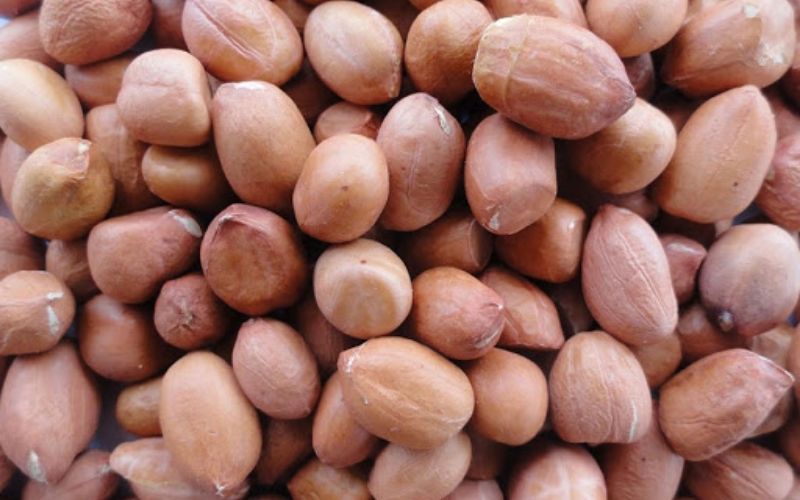
- Raw or dry-roasted, unsalted peanuts
6. Peanuts and Allergies
This is one of the most important considerations.
Peanut allergy can be:
- Severe
- Potentially life-threatening
Symptoms:
- Swelling
- Difficulty breathing
- Skin reactions
👉 If there’s any known sensitivity, avoid completely.
7. Potential Digestive Issues
Some people may experience:
- Bloating
- Gas
- Mild discomfort
Why:
- High fat and fiber content
- Individual digestive sensitivity
8. Risk of Aflatoxins (In Poor Storage Conditions)
Peanuts can be susceptible to aflatoxins, which are produced by certain molds.
Important context:
- Properly processed and stored peanuts are generally safe
- Poor-quality or improperly stored peanuts may pose a risk
👉 Always buy from reliable sources.
9. Peanuts and Blood Sugar
Peanuts have a low glycemic index, meaning:
- They don’t spike blood sugar quickly
- Suitable for people managing blood sugar (in moderation)
Final Take
Peanuts can absolutely be part of a healthy daily routine - but only when used wisely.
The balanced approach:
- Eat in moderation
- Choose natural, unsalted forms
- Pay attention to your body’s response
Because the difference between healthy and harmful often comes down to one thing:
👉 Quantity and quality - not the food itself.