Chapter 1: What Really Happens When You Eat Peanuts Regularly?
Peanuts are among the most popular snacks in the world. They are inexpensive, easy to store, and can be enjoyed roasted, boiled, ground into peanut butter, or added to a wide variety of meals. Some people eat a handful between meals, while others use peanut butter on toast or add crushed peanuts to salads, noodles, and sauces.
But have you ever wondered what happens inside your body when peanuts become a regular part of your diet?
The answer may surprise you. Despite their small size, peanuts contain a combination of protein, healthy fats, fiber, vitamins, minerals, and plant compounds that can support several aspects of health. When eaten in appropriate portions, they may help you feel full, contribute to heart-healthy eating patterns, and provide nutrients that support normal body functions.
However, peanuts are not a miracle food. Their effects depend on how much you eat, how they are prepared, what the rest of your diet looks like, and whether you have conditions such as a peanut allergy.
Understanding these details can help you enjoy peanuts while making informed choices about your health.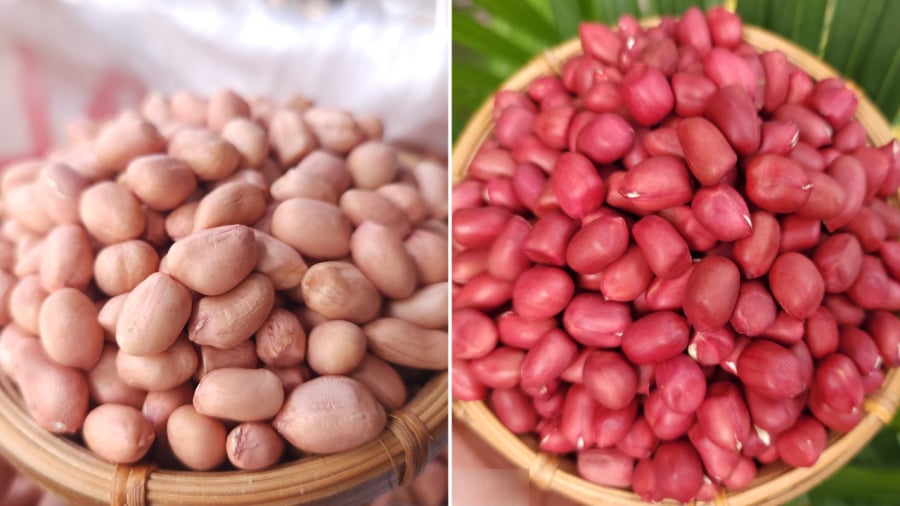
Peanuts are more nutritious than many people realize
Although peanuts are often grouped with nuts, they are technically legumes, related to beans, lentils, and peas. Unlike tree nuts, peanuts grow underground.
Their nutritional profile is particularly interesting because they combine plant-based protein with unsaturated fats.
A serving of approximately 28 grams of plain peanuts—roughly a small handful—typically provides around 160–170 calories, 7 grams of protein, 2–3 grams of fiber, and approximately 14 grams of fat. Exact amounts vary depending on the variety and preparation.
Peanuts also provide nutrients such as magnesium, phosphorus, niacin, vitamin E, and folate.
These nutrients contribute to normal bodily functions, including energy metabolism, nerve function, tissue maintenance, and the production of healthy blood cells.
Their protein content makes peanuts a useful option for people who want to increase their intake of plant-based foods. Protein helps maintain muscles and other tissues, while fat provides energy and helps the body absorb fat-soluble vitamins.
Fiber supports digestive health and can contribute to a feeling of fullness after eating.
Peanuts also contain plant compounds, including polyphenols, that researchers have investigated for their antioxidant activity.
Taken together, these characteristics explain why peanuts can fit into a balanced diet.
What happens when you eat peanuts every day?
If you replace a less nutritious snack with a moderate serving of peanuts, you may improve the overall nutritional quality of your diet.
For example, replacing some highly processed snacks with unsalted peanuts can provide more protein, fiber, and unsaturated fats. Because peanuts are energy-dense, a small serving can also be satisfying.
But eating peanuts regularly does not guarantee better health.
A person who eats large quantities of heavily salted, oil-coated peanuts on top of an already high-calorie diet may experience very different results from someone who enjoys a small handful as part of balanced meals.
The distinction between adding a food and replacing another food is important.
If peanuts replace a snack high in refined carbohydrates or added sugar, the overall change may be beneficial. If they simply add hundreds of extra calories to your daily intake, the benefits may be less clear.
The way peanuts are prepared matters, too. Plain roasted or boiled peanuts can be nutritious choices. Honey-coated varieties and some flavored products may contain substantial amounts of added sugar, salt, or additional oils.
Peanut butter can also be a useful food, especially when made primarily from peanuts. However, serving sizes matter, and some products contain added sugar, salt, or other ingredients.
Who may benefit most from eating peanuts?
People who need convenient sources of plant protein may find peanuts useful. They can also be helpful for people looking for satisfying snacks, provided they do not have a peanut allergy.
Older adults may appreciate their protein and mineral content as part of a varied diet. People who exercise can use peanuts as one source of energy and nutrients. Those following vegetarian or plant-forward eating patterns may find them especially convenient.
Nevertheless, no single food supplies everything the body needs.
Peanuts do not replace vegetables, fruits, whole grains, or other protein sources. A varied diet remains important for obtaining the full range of nutrients needed for good health.
The most useful way to think about peanuts is not as a superfood that can transform your body overnight, but as a nutrient-rich food that may contribute to long-term health when eaten sensibly.
And one of their most interesting potential effects involves something many people struggle to manage: hunger.
Chapter 2: How Peanuts May Affect Hunger, Weight, and Blood Sugar
One of the most common concerns about peanuts is their calorie content.
Because they are rich in fat, peanuts contain more calories per gram than many fruits and vegetables. This sometimes leads people to assume that eating them regularly will inevitably cause weight gain.
The reality is more complicated.
Peanuts are energy-dense, but they also contain protein, fiber, and fat—three components that can help make food satisfying.
1. Peanuts may help you feel full for longer
Have you ever eaten a snack and felt hungry again less than an hour later?
This can happen when a snack provides energy but relatively little protein or fiber.
Peanuts offer a different combination of nutrients. Their protein, fat, and fiber can contribute to fullness, potentially making it easier to manage hunger between meals.
For example, a small portion of peanuts may be more satisfying than a similar snack consisting mainly of refined carbohydrates.
Feeling satisfied can be helpful for people who frequently reach for snacks because they become hungry soon after eating.
However, the response varies from person to person. Some people feel full after a small handful, while others may continue eating because peanuts are easy to snack on without noticing the amount consumed.
For this reason, portion awareness remains useful.