Some varieties contain added oils, sugar, salt, or other ingredients. These are not automatically harmful, but reading the label can help you choose a product that matches your goals.
Pay attention to serving size. Peanut butter is concentrated, and a few large spoonfuls can provide substantially more calories than expected.
You can add it to oatmeal, whole-grain toast, smoothies, or fruit. These combinations may make snacks more satisfying.
Remember that peanut butter is not nutritionally identical to whole peanuts in every respect, particularly when ingredients or processing methods differ.
4. Be careful with excessive salt and added sugar
Honey-roasted peanuts, candy-coated peanuts, and some flavored varieties may contain significant amounts of added sugar.
Salted varieties can also contribute a considerable amount of sodium, depending on the brand and serving size.
If you regularly eat peanuts, choosing plain or lightly seasoned varieties may make it easier to manage your total intake of salt and added sugar.
This can be particularly useful for people who have been advised to limit sodium because of high blood pressure, kidney disease, or heart failure.
The occasional flavored snack can still fit into a balanced diet. The main concern is the overall pattern of consumption.
5. Understand peanut allergies
Peanut allergy is one of the more important food allergies because reactions can be severe.
Symptoms may include hives, itching, swelling, stomach pain, vomiting, wheezing, or difficulty breathing.
In some people, exposure can cause anaphylaxis, a potentially life-threatening allergic reaction.
Anyone with a diagnosed peanut allergy should follow their healthcare professional's advice about avoidance and emergency treatment.
If someone develops difficulty breathing, swelling of the tongue or throat, faintness, or symptoms suggesting anaphylaxis after eating peanuts, use prescribed epinephrine if available and seek emergency medical assistance immediately.
Do not attempt to test a suspected peanut allergy by eating a small amount at home.
People who have never eaten peanuts and have concerns about food allergy—particularly parents introducing foods to infants with severe eczema or existing food allergies—should seek appropriate guidance from a healthcare professional.
6. Can peanuts be contaminated?
Like some other agricultural products, peanuts can become contaminated by molds that produce aflatoxins under certain storage and growing conditions.
Aflatoxins are harmful substances that can pose health risks with significant or repeated exposure.
Commercial food-safety controls help reduce this risk, but proper storage remains important.
Buy peanuts from reliable sources. Keep them in a cool, dry place, and follow the package's storage instructions. Refrigeration or freezing can help preserve freshness, particularly in warm or humid environments.
Discard peanuts that appear moldy, damaged, damp, or unusually discolored. Do not assume that removing the visibly affected pieces makes the rest of a contaminated batch safe.
7. What if you have kidney disease or another chronic condition?
Peanuts contain minerals, including phosphorus and potassium, which may need to be managed by some people with advanced kidney disease.
Whether peanuts fit into an appropriate diet depends on kidney function, laboratory results, medications, and the dietary plan recommended by the healthcare team.
People with other chronic conditions may also have individual nutritional requirements.
For example, someone managing heart failure may need to limit sodium, while someone with a high energy requirement may benefit from calorie-dense foods.
This is why general nutrition advice should not replace individualized medical guidance when a condition requires a specialized diet.
8. Simple ways to include peanuts in your diet
If you enjoy peanuts and can eat them safely, there are many easy ways to use them.
-
Add a small portion of chopped peanuts to oatmeal or yogurt.
-
Sprinkle crushed peanuts over vegetables, salads, or noodle dishes.
-
Pair peanuts with a piece of fruit for a convenient snack.
-
Spread peanut butter on whole-grain toast.
-
Add a small amount of peanut butter to a smoothie.
-
Use peanuts in homemade sauces, remembering that added salt and sugar can affect the overall nutritional profile.
These options allow you to enjoy the flavor and nutritional benefits of peanuts without relying on a single preparation.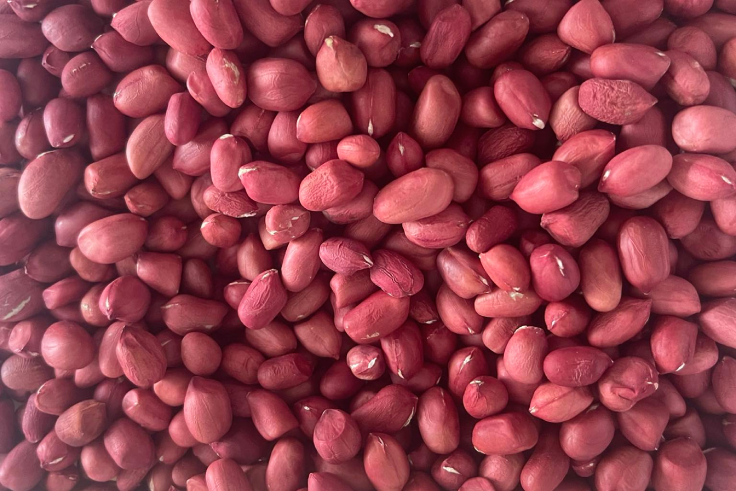
Final Thoughts: Are Peanuts Worth Eating Regularly?
Peanuts are more than a convenient snack. They provide plant-based protein, unsaturated fats, fiber, and several vitamins and minerals that can contribute to a balanced diet.
Eating them regularly in appropriate portions may help with satiety and can support a heart-conscious eating pattern, particularly when peanuts replace snacks that are higher in saturated fat, added sugar, or refined carbohydrates.
They can also contribute to protein intake and provide useful energy, making them a practical option for people with different nutritional needs.
However, peanuts are not a cure for high cholesterol, diabetes, heart disease, memory problems, or any other medical condition. The evidence supports their role as one component of a healthy dietary pattern, not as a stand-alone treatment.
Portion size matters because peanuts are calorie-dense. Preparation matters because added salt, sugar, and oils can change their nutritional profile. Food safety matters because improperly stored peanuts can become contaminated. And allergy awareness is essential because peanut allergy can cause life-threatening reactions.
For most people who can eat them safely, a small handful of plain peanuts can be a reasonable addition to everyday meals and snacks.
The most important lesson is that healthy eating rarely depends on one special food. It depends on the choices you make consistently, the variety of nutrients you consume, and how your diet fits your individual health needs.
If you enjoy peanuts, there is generally no need to avoid them simply because they contain fat or calories. Instead, focus on appropriate portions, simple preparations, and a balanced diet that includes a wide range of nutritious foods.
Sometimes, one of the easiest ways to improve your eating habits is not to search for an exotic ingredient, but to make thoughtful use of an affordable, familiar food.
Peanuts can be part of that approach—as long as you understand both their potential benefits and their limitations.