Elderly Man Dies Inside Motel After Drinking “Blue” and Spending Time With Two Young Women: The Unanswered Questions Behind a Disturbing Story
An elderly man reportedly entered a motel after spending time with two younger companions. Hours later, he was found unresponsive, and emergency responders could not save him. A mysterious drink described only as “blue” has become the center of online speculation, but the most important questions remain unanswered: What was actually in the drink, what happened inside the room, and why are different versions of the story giving conflicting accounts?
A quiet motel can become the center of a deeply unsettling investigation in a matter of hours. Guests arrive, vehicles come and go, and staff members continue their normal duties. Behind closed doors, however, something unexpected may be unfolding without anyone immediately realizing that help is needed.
That is the disturbing scenario described in a viral story about an elderly man who reportedly died inside a motel after consuming a beverage referred to as “blue.”
The headline has attracted attention because it combines several elements that naturally raise questions: an older man, two younger companions, an unfamiliar drink, and a sudden death in a private room. The photograph accompanying the story adds to the emotional impact. It shows what appears to be an elderly man in a separate portrait, a motel exterior, and several men carrying a covered stretcher or container outside a building.
For readers seeing the image for the first time, the immediate reaction may be to wonder what happened during the man's final hours.
Did he become ill shortly after drinking something? Did the beverage contain alcohol, medication, or another substance? Were the people accompanying him aware that he was in danger? Could the incident have been prevented if someone had recognized the warning signs earlier?
These are serious questions, but they must be approached carefully.
The material supplied with the headline does not identify the motel's location, the man's name, his age, the exact date of the incident, or the police department investigating it. It also provides no verified toxicology results or official determination of the cause of death.
There is another important inconsistency. The headline refers to two young girls, the Facebook preview uses similar wording, but the article text says that two young men were with the elderly man. A separate online version of a similar story describes two young women instead.
Those differences cannot simply be ignored.
At present, the specific incident described in the supplied material cannot be independently established through reliable public reporting. The account should therefore be understood as an unverified online claim, not a confirmed police case.
Nevertheless, the questions raised by the story deserve a closer examination. Unknown drinks, possible substance interactions, sudden medical emergencies, and the vulnerability of older people in unfamiliar environments are genuine subjects of public concern.
To understand the situation responsibly, it is necessary to separate what the post actually claims from what remains unknown. And the most important part of that distinction begins with the mysterious word at the center of the headline: “blue.”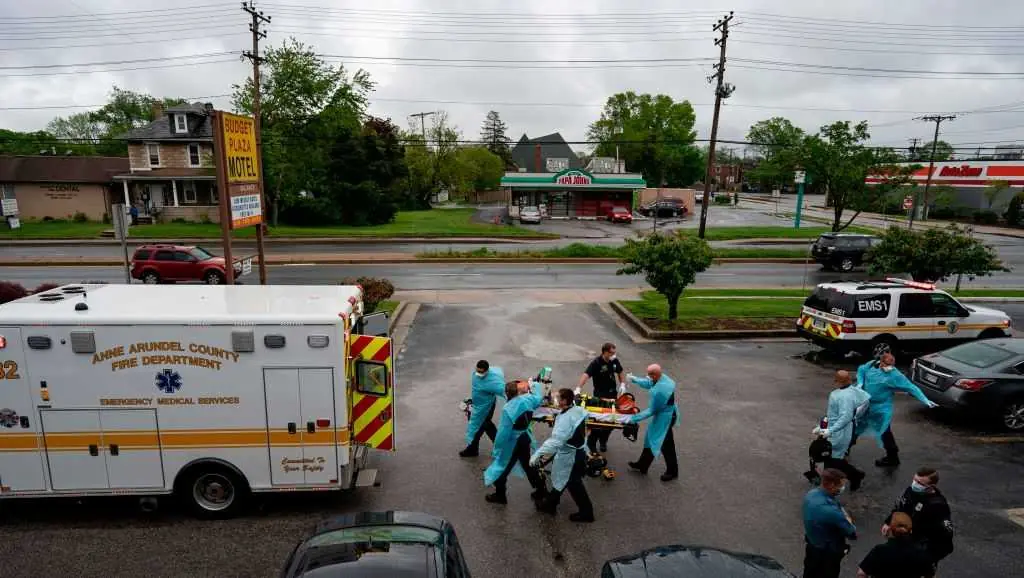
What Does the Word “Blue” Actually Mean?
The most unusual detail in the story is the description of a drink known only as “blue.”
According to the supplied article, witnesses allegedly reported that the elderly man consumed a substance locally referred to by that name. The drink was reportedly recovered from the motel room and sent for testing.
However, the article does not identify its ingredients, manufacturer, container, alcohol content, or chemical composition.
That missing information is extremely important.
The word “blue” is not a medical or scientific name for a particular substance. It may describe the color of a beverage, a nickname used by people in a particular community, a product name, or an informal reference to something entirely different.
Without laboratory analysis or a verified description from investigators, it would be irresponsible to identify the substance as a particular drug, medication, alcoholic beverage, or chemical.
A blue-colored drink can contain ordinary ingredients. Equally, a beverage that looks harmless may contain substances that are not safe to consume.
Appearance alone cannot establish what is inside a glass or bottle.
This is why toxicology testing is so important in cases involving unexplained deaths.
Why the Color of a Drink Cannot Reveal Its Contents
People often associate the appearance of a beverage with its ingredients.
A blue liquid may remind someone of a cocktail, an energy drink, a sports beverage, or a flavored alcoholic drink. In some places, informal names are used for mixtures that may contain several ingredients.
But none of these possibilities establishes what the man reportedly consumed.
A laboratory must identify the substances present in a sample before investigators can draw conclusions about its composition.
Depending on the circumstances, toxicology specialists may examine biological samples, such as blood and urine, as well as available beverage containers or other recovered materials.
These examinations can help identify alcohol, medications, drugs, and other chemical substances.
The results may also help determine whether a particular substance reached a level capable of producing harmful effects.
However, even a positive toxicology result does not automatically prove that a substance caused a person's death.
Investigators must consider the amount detected, the timing of exposure, other substances present, the individual's medical history, and the findings of a postmortem examination.
For example, finding alcohol in someone's system does not necessarily mean alcohol poisoning caused the death. Similarly, detecting a medication does not automatically establish that it was taken improperly or that it was responsible for a fatal event.
The interpretation requires medical and forensic expertise.
In the motel story, the original text says that toxicology testing was expected to help clarify the situation. It does not provide any completed results.
Consequently, readers should not treat the mysterious blue beverage as a confirmed poison.
Why an Unidentified Drink Can Become an Important Piece of Evidence
When someone becomes seriously ill after consuming an unknown beverage, investigators may need to establish several things.
They must determine where the drink came from, who prepared it, who handled it, and whether its contents changed before it was consumed.
A bottle recovered from a room may provide useful evidence, especially if it still contains liquid.
Investigators may document its position, photograph its condition, collect samples, and preserve it for laboratory examination.
They may also examine fingerprints, packaging, labels, receipts, and other information that could help establish its history.
The process is not simply about finding a chemical.
It is about understanding the circumstances surrounding the exposure.
If a beverage contains multiple substances, specialists may need to determine whether those substances could interact with one another.
If a container has been opened or transferred into another bottle, investigators may also need to establish whether the sample accurately represents what the person consumed.
These questions are especially important when the original source of a drink is uncertain.
In the supplied account, however, there is no publicly identified laboratory, no sample description, and no confirmed test result.
That means the exact meaning of “blue” remains unknown.
What Can Happen When an Older Person Consumes an Unknown Substance?
The story raises a broader health question that is relevant even without confirmation of the specific incident.
Older adults can be particularly vulnerable to certain effects of alcohol, medications, and unfamiliar substances.
As people age, the body changes in ways that can influence how substances are absorbed, distributed, processed, and eliminated.
This does not mean that every older person will react badly to a particular drink.
It means that the same amount of a substance may affect different people in different ways.
An older adult may also have medical conditions that influence the body's response.
For example, someone taking medication for high blood pressure, anxiety, chronic pain, insomnia, or another condition may face additional risks if an unfamiliar drink contains alcohol or an interacting substance.
The National Institute on Alcohol Abuse and Alcoholism warns that older adults are particularly vulnerable to harmful interactions between alcohol and certain medications.
Some combinations can increase drowsiness, impair coordination, cause fainting, affect breathing, or contribute to serious medical complications.
The risk may be greater when several medications are involved.
Alcohol and Medication Can Produce Unexpected Effects
One of the most important concerns involves combining alcohol with medicines that affect the central nervous system.
Some medications used for anxiety, sleep problems, and pain can cause sedation.
Alcohol may intensify these effects.
A person may become unusually sleepy, confused, dizzy, or unable to coordinate movements properly.
In more serious situations, combining alcohol with certain sedative medicines or opioid pain medications can suppress breathing and contribute to a potentially fatal overdose.
This is particularly concerning for older adults because they are more likely to take several medications regularly.
Some people may also be unaware that ordinary products, including certain cold remedies, allergy medicines, and cough syrups, can contain ingredients that interact with alcohol.
The important lesson is that an unfamiliar drink should never be assumed safe simply because it looks like an ordinary beverage.
People who take prescription medication should ask a doctor or pharmacist whether alcohol or other substances could interact with their treatment.
The Role of Existing Medical Conditions
An older person's health before consuming a substance may also influence the outcome of a medical emergency.
Conditions affecting the heart, liver, kidneys, or respiratory system can change how the body responds to certain chemicals.
For example, a person with an existing heart condition may experience additional risks when exposed to substances that affect heart rate or blood pressure.
Someone with impaired liver function may process certain substances differently.
Kidney disease can also influence the elimination of some medications and chemicals.