The specific drugs and treatment schedule depend on the cancer type and the patient's condition.
Possible side effects include fatigue, nausea, appetite changes, lowered blood cell counts, and increased susceptibility to infection.
Radiation therapy
Radiation therapy uses high-energy radiation to damage cancer cells.
It may be combined with chemotherapy before surgery or used as part of treatment for people who are not candidates for surgery.
Radiation can also help relieve symptoms in some patients with advanced disease.
Immunotherapy and targeted treatment
Some esophageal cancers may respond to immunotherapy, which helps the immune system recognize and attack cancer cells.
Other treatments target specific molecular features of the tumor.
Doctors may recommend biomarker testing to determine whether particular therapies are appropriate.
The availability and suitability of these treatments depend on the cancer's characteristics, stage, and local treatment guidelines.
Why early detection matters
When esophageal cancer is diagnosed at an earlier stage, treatment may have more options and a better chance of controlling the disease.
When the cancer has spread to distant organs, treatment generally focuses on controlling its growth, extending survival, and relieving symptoms.
This is why progressive swallowing difficulty, unexplained weight loss, and persistent symptoms should not be ignored.
Early medical assessment does not guarantee that cancer will be found, but it can help identify serious conditions before they become more difficult to treat.
Chapter 7: Practical Ways to Protect Your Esophageal Health
No lifestyle change can eliminate the risk of esophageal cancer completely.
However, several habits can reduce exposure to recognized risk factors and support digestive health.
Stop smoking
Avoiding tobacco is one of the most important steps people can take to reduce their risk of esophageal cancer.
If you smoke, consider seeking professional support to quit.
Nicotine replacement therapy, prescription medications, counseling, and structured cessation programs can improve the likelihood of success.
Limit or avoid alcohol
Heavy alcohol consumption increases the risk of esophageal squamous cell carcinoma.
Reducing alcohol intake or avoiding it can lower exposure to this risk factor.
People who also smoke should be particularly aware of the combined risk.
Maintain a healthy body weight
Managing body weight can help reduce the likelihood of chronic reflux and support cardiovascular and metabolic health.
A sustainable approach includes regular physical activity, balanced meals, and avoiding extreme dieting.
Manage chronic acid reflux
If you experience frequent heartburn, discuss it with a healthcare professional.
Treatment may include lifestyle changes and medication, depending on the severity and cause.
Helpful habits for some people include:
-
Eating smaller meals.
-
Avoiding large meals close to bedtime.
-
Identifying foods that trigger symptoms.
-
Maintaining a healthy weight.
-
Elevating the head of the bed when nighttime reflux occurs.
-
Avoiding lying down immediately after eating.
Medication may be necessary for people with persistent GERD.
Do not stop prescribed acid-reducing medication simply because symptoms improve without discussing it with your doctor.
Eat a balanced diet
A diet containing a variety of vegetables, fruits, whole grains, and other nutrient-rich foods supports overall health.
Although no specific food can prevent esophageal cancer, a balanced dietary pattern can help reduce several risk factors associated with chronic disease.
Avoid regularly consuming beverages at scalding temperatures. Allow very hot drinks to cool before swallowing.
Follow medical advice if you have Barrett's esophagus
People diagnosed with Barrett's esophagus may require surveillance endoscopy, depending on their individual risk and whether dysplasia is present.
Follow the recommended monitoring schedule.
Do not assume that the absence of symptoms means the condition has disappeared.
Do not ignore progressive swallowing problems
This may be the most important practical recommendation.
If swallowing becomes increasingly difficult, do not simply switch to softer foods and postpone medical care.
A persistent change in swallowing can indicate an underlying structural or functional problem that needs investigation.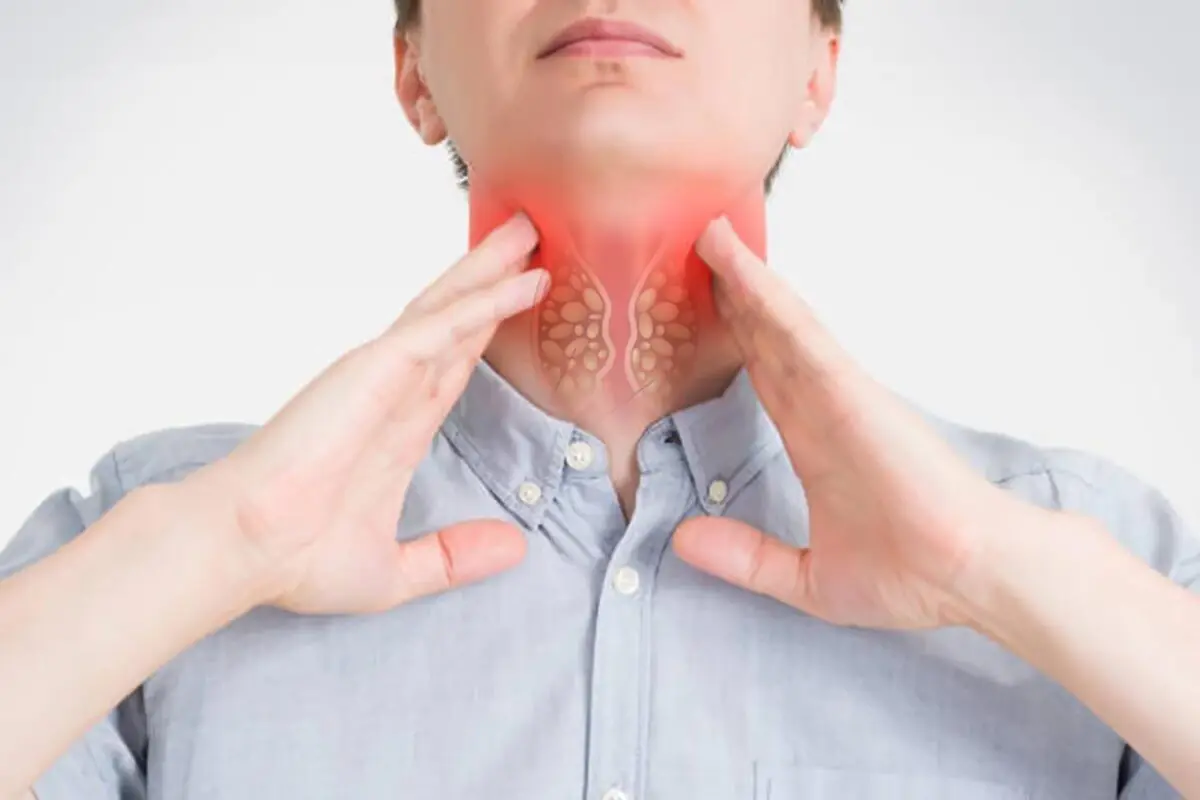
Chapter 8: When Should You Seek Medical Attention?
It is not necessary to panic every time you experience heartburn or indigestion.
However, certain symptoms should prompt a medical appointment rather than repeated self-treatment.
Arrange a medical evaluation if you experience:
-
New or progressive difficulty swallowing.
-
Food repeatedly getting stuck in your chest.
-
Pain when swallowing.
-
Persistent reflux that does not improve with appropriate treatment.
-
Unexplained weight loss.
-
Repeated regurgitation.
-
Ongoing hoarseness or cough without a clear explanation.
-
Persistent chest discomfort.
-
Unexplained anemia or unusual fatigue.
Some symptoms require more urgent care.
Seek emergency medical attention if you:
-
Cannot swallow saliva or liquids because food is lodged in the esophagus.
-
Vomit significant amounts of blood.
-
Pass black, tarry stools, especially with dizziness or weakness.
-
Develop severe chest pain or sudden breathing difficulty.
-
Experience fainting or signs of serious dehydration.
People with chronic GERD, Barrett's esophagus, a history of smoking, heavy alcohol use, or other recognized risk factors should discuss their individual risk with a healthcare professional.
Importantly, there is no recommendation for routine endoscopic screening of every person without symptoms. Screening and surveillance decisions depend on individual risk factors and established clinical guidance.
Conclusion: Do Not Mistake Every Warning Sign for Ordinary Heartburn
Esophageal cancer can be difficult to recognize in its early stages because some of its symptoms resemble common digestive problems.
Heartburn, chest discomfort, regurgitation, and nausea can all occur with ordinary acid reflux. However, progressive difficulty swallowing, food repeatedly getting stuck, unexplained weight loss, and persistent pain when swallowing are changes that deserve particular attention.
The most important distinction is the pattern of symptoms.
Occasional heartburn after a large meal is common. A swallowing problem that becomes progressively worse is not something to dismiss as routine indigestion.
It is also important to remember that these symptoms do not automatically indicate cancer. Many people experience them because of GERD, inflammation, benign narrowing, or other treatable conditions.
Only an appropriate medical evaluation can determine the cause.
If symptoms persist, worsen, or occur together, speak with a healthcare professional. Depending on the situation, an upper endoscopy and biopsy may be necessary to identify the underlying problem.
Protecting your health does not mean assuming the worst. It means recognizing meaningful changes, understanding your risk factors, and seeking medical advice before a potentially serious condition has more time to progress.
Sometimes, the symptom that deserves the most attention is not the most dramatic one. It is the small change that keeps returning, gradually becoming harder to ignore.