Stroke Warning Signs: What Actually Matters (And What Doesn’t)
Viral posts love dramatic lines like “blue lips aren’t the real danger” — but stroke doesn’t work like that. It doesn’t rely on one “secret sign.” It shows up through a cluster of neurological symptoms, and timing is everything.
Let’s break it down properly so you don’t miss the real red flags.
What a Stroke Really Is
A stroke happens when blood flow to part of the brain is blocked (ischemic stroke) or a blood vessel bursts (hemorrhagic stroke). Brain cells begin to die within minutes, which is why early recognition is critical.
The Most Reliable Warning System: FAST
4
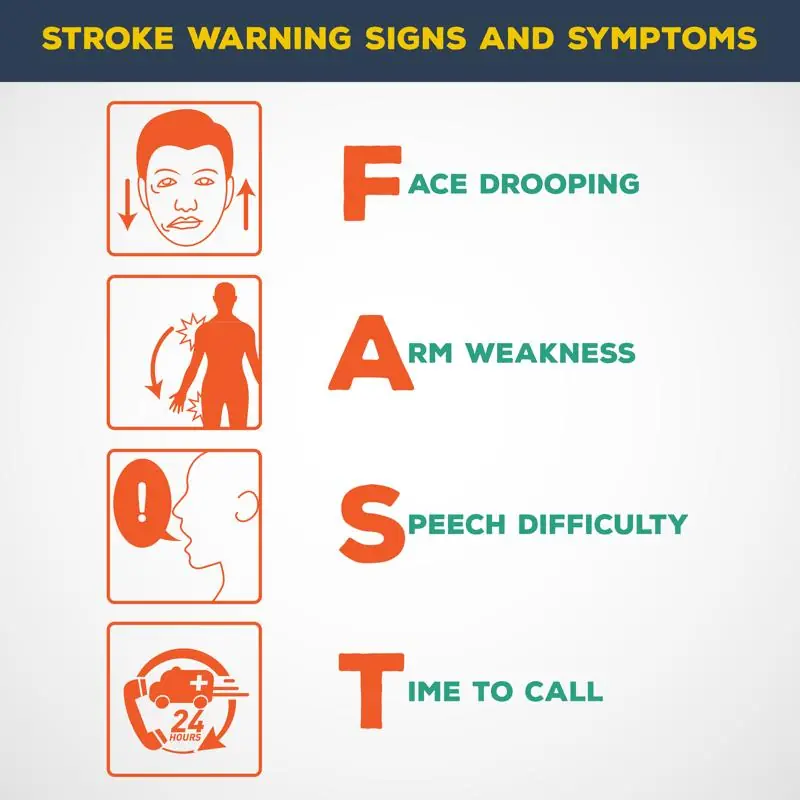
Doctors worldwide use the FAST rule because it’s simple and accurate:
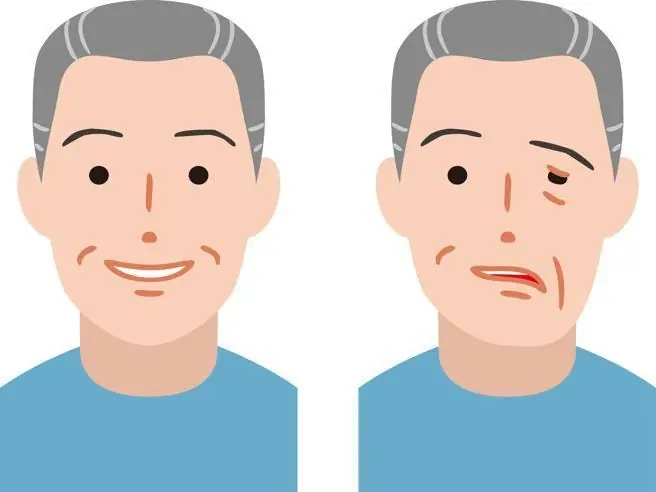
- F – Face drooping: One side of the face looks uneven or numb
- A – Arm weakness: One arm drifts down when raised
- S – Speech difficulty: Slurred or strange speech
- T – Time to call emergency services immediately
If you see ANY of these signs, don’t wait.
Common Symptoms People Ignore


4
Besides FAST, strokes can show up as:
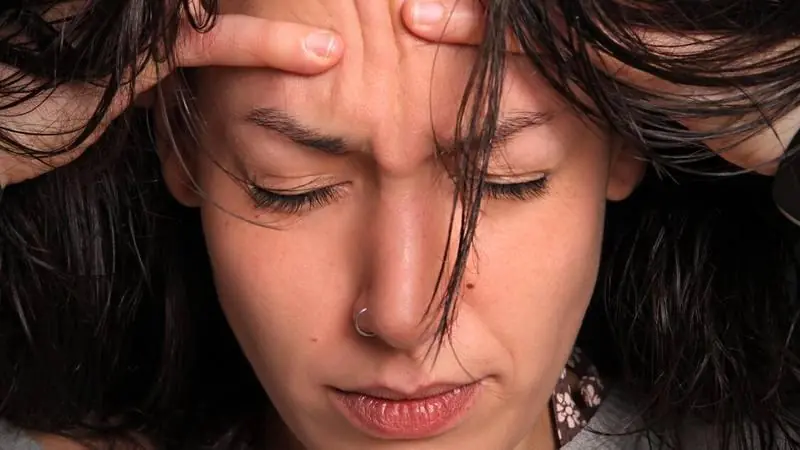
- Sudden severe headache (especially “worst ever”)
- Dizziness or loss of balance
- Blurred or double vision
- Confusion or trouble understanding
- Numbness on one side of the body
These symptoms can come on very quickly — sometimes within seconds.
About “Blue Lips” — Misleading Signal
Blue lips are usually related to low oxygen levels, not stroke specifically.
That means:
- It can happen in lung or heart issues
- It is not a primary stroke indicator
- Waiting for “blue lips” before acting is a mistake
Stroke signs are mostly neurological, not cosmetic.
Why Speed Is Everything
There’s a critical window (often called the “golden hours”) where treatment can:
- Restore blood flow
- Reduce brain damage
- Save life and function
Every minute counts. Delaying even 10–15 minutes can change outcomes.
High-Risk Factors to Know
You’re at higher risk if you have:
- High blood pressure
- Diabetes
- Smoking habits
- High cholesterol
- Sedentary lifestyle
But strokes can still happen unexpectedly — even in younger people.
What To Do Immediately
If you suspect a stroke:
- Call emergency services right away
- Do NOT wait for symptoms to pass
- Do NOT let the person “rest it off”
- Note the time symptoms started
This timing helps doctors choose the right treatment.
Final Take
Forget viral shortcuts.
Stroke doesn’t come with one dramatic sign — it comes with sudden neurological changes.
The real lifesaver isn’t knowing a “secret symptom.”
It’s recognizing FAST and acting immediately.
Stroke Warning Signs: The Symptoms You Should Never Ignore
A stroke can happen suddenly, without warning, and affect anyone — regardless of age or apparent health. One moment, a person may be speaking normally, walking around, or enjoying a meal. Moments later, they may struggle to move one arm, speak clearly, or understand what is happening around them.
Recognizing these changes quickly can make a life-changing difference.
Stroke is a medical emergency. The faster a person receives appropriate treatment, the greater the opportunity to limit brain injury and improve recovery.
However, understanding stroke means looking beyond viral health posts and dramatic claims. There is no single unusual symptom that reliably identifies every stroke. Instead, it is important to recognize sudden neurological changes, understand the different ways strokes can present, and know exactly what to do.
1. BE-FAST: An Expanded Way to Recognize Stroke
You may already know the FAST acronym:
-
F – Face: Does one side of the face droop when the person smiles?
-
A – Arms: Can the person raise both arms, or does one drift downward?
-
S – Speech: Is their speech slurred, unusual, or difficult to understand?
-
T – Time: Call emergency medical services immediately.
Some healthcare organizations also use an expanded version called BE-FAST, which includes two additional warning signs.
-
B – Balance: Sudden loss of balance, coordination, or difficulty walking.
-
E – Eyes: Sudden blurred vision, double vision, or loss of vision in one or both eyes.
The expanded checklist is useful because some strokes, particularly those affecting the back of the brain, may cause prominent balance or visual problems without the classic facial drooping or arm weakness.
Remember that these checklists are recognition tools, not diagnostic tests. A person can have a stroke even if they do not show every symptom.
2. Sudden Weakness or Numbness on One Side
One of the most recognizable stroke symptoms is sudden weakness or numbness affecting one side of the body.