Fluid retention, also known as water retention or edema, is a common condition that causes swelling and puffiness in different parts of the body. Many people notice swollen feet after standing too long, puffy fingers in the morning, bloating after salty meals, or ankle swelling during hot weather. In many cases, mild water retention is temporary and related to lifestyle habits, diet, hormones, or inactivity.
Although occasional puffiness is usually harmless, persistent or severe swelling may sometimes signal underlying health conditions involving the heart, kidneys, liver, circulation, or hormones. Understanding the possible causes of water retention and learning healthy daily habits may help support better fluid balance and overall wellness.
Simple lifestyle adjustments may often reduce mild puffiness naturally while also supporting circulation, hydration, and metabolic health.
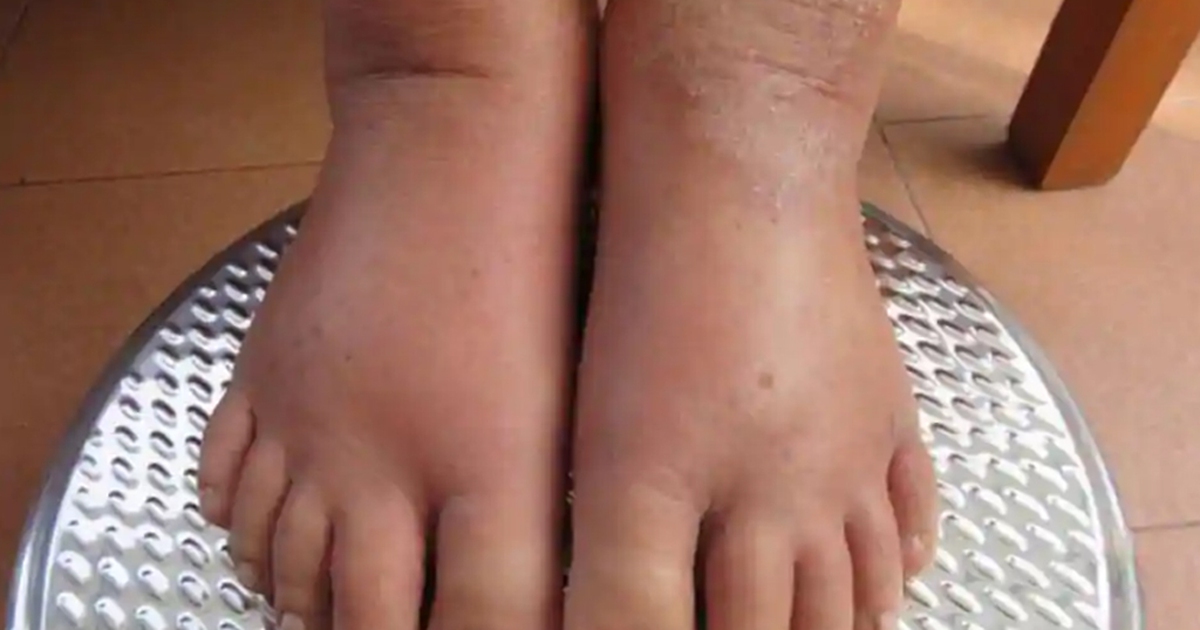
What Is Fluid Retention?
Fluid retention occurs when excess fluid builds up inside body tissues.
This may cause:
- Swelling
- Puffiness
- Tightness
- Bloating
- Heaviness
Commonly affected areas include:
- Feet
- Ankles
- Legs
- Hands
- Face
- Abdomen
Mild swelling may come and go depending on activity, diet, temperature, or hormone fluctuations.
Why the Body Retains Water
The body constantly regulates fluid balance through:
- The kidneys
- Hormones
- Blood vessels
- Electrolytes
- Circulation
Fluid retention may occur when this balance becomes disrupted.
Possible contributing factors include:
- Excess sodium
- Poor circulation
- Hormonal changes
- Prolonged sitting
- Certain medications
1. Reducing Excess Sodium Intake
One of the most common causes of temporary water retention is excess sodium consumption.
High sodium intake may cause the body to hold onto more water in order to maintain fluid balance.
Many processed foods contain large amounts of hidden sodium, including:
- Fast food
- Chips
- Instant noodles
- Processed meats
- Packaged snacks
Reducing excess sodium may help decrease puffiness for some individuals.
Why Sodium Affects Fluid Balance
Sodium influences how the body regulates water inside and outside cells.
When sodium levels rise, the body may retain extra fluid to maintain balance.
This may contribute to:
- Swelling
- Bloating
- Puffy hands or feet
2. Drinking Enough Water
It may seem surprising, but dehydration may sometimes worsen water retention.
When the body senses inadequate hydration, it may attempt to conserve fluid.
Proper hydration supports:
- Kidney function
- Circulation
- Electrolyte balance
- Waste removal
Drinking water consistently throughout the day may help support normal fluid regulation.
Signs of Mild Dehydration
Possible signs include:
- Dark urine
- Dry mouth
- Fatigue
- Headaches
- Dizziness
Hydration needs vary depending on:
- Weather
- Activity level
- Diet
- Health conditions
3. Moving the Body Regularly
Long periods of sitting or standing may contribute to swelling, especially in the legs and ankles.
Movement helps support:
- Blood circulation
- Lymphatic flow
- Muscle activity
Simple activities such as:
- Walking
- Stretching
- Light exercise
may help reduce fluid buildup.
Why Circulation Matters
The circulatory system helps move:
- Blood
- Nutrients
- Fluids
throughout the body.
Poor circulation may allow fluid to accumulate in lower extremities.
Gravity also contributes to swelling during prolonged inactivity.
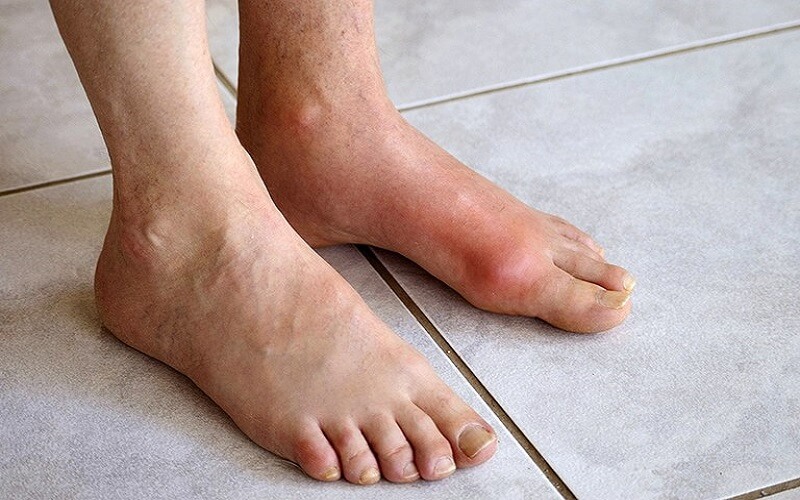
4. Elevating the Legs
Elevating swollen legs or feet above heart level may help improve fluid drainage temporarily.
This may support:
- Venous return
- Circulation
- Swelling reduction
People often notice swelling worsening later in the day after standing or sitting for long periods.
5. Eating Potassium-Rich Foods
Potassium helps balance sodium levels inside the body.
Foods rich in potassium include:
- Bananas
- Sweet potatoes
- Spinach
- Avocados
- Oranges
Balanced potassium intake may support healthier fluid regulation.
People with kidney disease should follow medical guidance regarding potassium intake.
6. Getting Regular Physical Activity
Exercise may support:
- Blood flow
- Muscle pumping action
- Lymphatic circulation
Physical activity may also help reduce:
- Sedentary swelling
- Circulatory sluggishness
Even moderate movement may make a noticeable difference for some individuals.
The Role of the Lymphatic System
The lymphatic system helps remove excess fluid from tissues.
Unlike the heart, the lymphatic system depends heavily on body movement and muscle activity to circulate fluid effectively.
Physical inactivity may slow lymphatic flow.
7. Managing Weight
Excess body weight may increase pressure on:
- Blood vessels
- Veins
- Joints
This may contribute to swelling, especially in the legs.
Balanced nutrition and physical activity may support healthier circulation and fluid balance over time.
8. Avoiding Tight Clothing for Long Periods
Very tight clothing may sometimes restrict circulation.
Restricted blood flow may contribute to:
- Puffiness
- Pressure
- Swelling
Comfortable movement-friendly clothing may help support circulation.
9. Improving Sleep Quality
Sleep affects:
- Hormones
- Circulation
- Inflammation
- Stress levels
Poor sleep may contribute to:
- Morning puffiness
- Facial swelling
- Fluid imbalance
Healthy sleep habits may support overall recovery and fluid regulation.
10. Managing Stress Levels
Stress hormones may influence:
- Fluid retention
- Inflammation
- Blood pressure
- Eating habits
Chronic stress may indirectly worsen bloating and puffiness in some individuals.
Relaxation strategies may support overall wellness.
Hormones and Water Retention
Hormonal fluctuations may influence fluid balance.
Some people notice swelling during:
- Menstrual cycles
- Pregnancy
- Hormonal changes
Hormones affect:
- Sodium balance
- Kidney function
- Blood vessel permeability
Temporary puffiness related to hormones is relatively common.
11. Limiting Highly Processed Foods
Ultra-processed foods are often high in:
- Sodium
- Refined carbohydrates
- Additives
These foods may contribute to:
- Bloating
- Water retention
- Increased thirst
Whole-food diets rich in fruits and vegetables may support healthier fluid balance.
12. Supporting Kidney Health
The kidneys play a major role in fluid regulation.
Healthy habits supporting kidney function include:
- Staying hydrated
- Managing blood pressure
- Controlling blood sugar
- Avoiding excessive sodium
Persistent swelling should not be ignored because kidney problems may sometimes contribute to edema.
When Swelling May Signal a Health Problem
Although mild fluid retention is common, persistent or severe swelling may sometimes indicate more serious conditions involving:
- Heart disease
- Kidney disease
- Liver disease
- Blood clots
- Circulatory disorders
Medical evaluation is important if swelling:
- Appears suddenly
- Is painful
- Affects one leg only
- Causes breathing problems
- Continues worsening
Signs That Need Medical Attention
Seek medical care if swelling is accompanied by:
- Chest pain
- Shortness of breath
- Severe pain
- Redness
- Fever
- Rapid weight gain
These symptoms may indicate more serious underlying conditions.
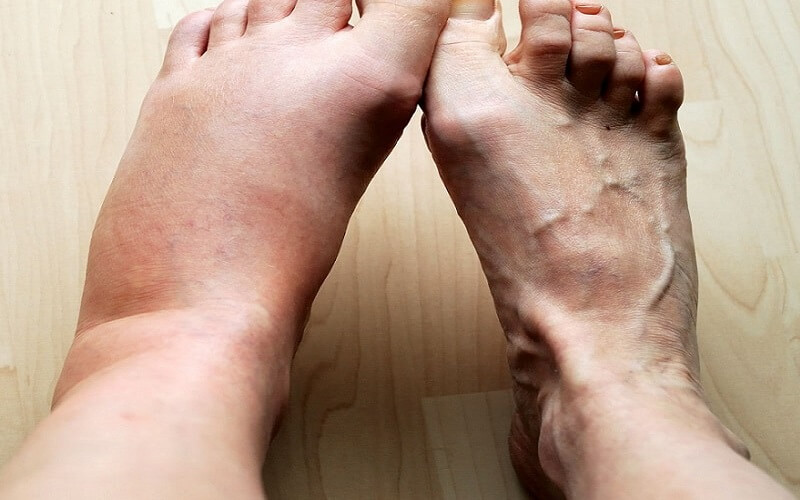
Can Certain Medications Cause Swelling?
Yes. Some medications may contribute to fluid retention, including:
- Blood pressure medications
- Hormonal medications
- Steroids
- Certain anti-inflammatory drugs
Medication-related swelling should be discussed with healthcare providers.
Herbal Teas and Natural Diuretics
Some people use natural beverages such as:
- Dandelion tea
- Green tea
- Parsley tea
for mild fluid balance support.
Scientific evidence varies, and excessive use of diuretics — even natural ones — may affect electrolyte balance.
Moderation is important.
The Importance of Balanced Nutrition
No single food or drink instantly “flushes” water retention permanently.
Long-term wellness depends on:
- Balanced eating
- Regular movement
- Hydration
- Sleep
- Stress management
Consistent habits usually matter more than quick fixes.
Why Temporary Puffiness Is Common
Mild swelling may happen after:
- Salty meals
- Travel
- Long flights
- Hot weather
- Hormonal changes
Temporary fluid shifts are a normal part of body regulation.
However, persistent symptoms deserve attention.
Simple Daily Habits That May Help
Helpful routines may include:
- Drinking enough water
- Walking regularly
- Reducing excess sodium
- Eating potassium-rich foods
- Sleeping well
- Elevating swollen legs
Small consistent habits may support healthier circulation and fluid balance over time.
Final Thoughts
Fluid retention and puffiness are common experiences that may result from sodium intake, inactivity, hormonal fluctuations, dehydration, circulation issues, or lifestyle habits. In many cases, simple healthy changes such as improving hydration, reducing excess sodium, staying active, and supporting circulation may help reduce mild swelling naturally.
At the same time, persistent or severe edema should never be ignored because it may sometimes reflect more serious health conditions requiring medical evaluation.
Understanding how daily habits affect fluid balance may help support overall comfort, circulation, and long-term wellness.