Bananas are often considered one of the healthiest and most convenient snacks available. Rich in potassium, fiber, and essential vitamins, they are widely recommended as part of a balanced diet. However, some health experts suggest that eating bananas right before bedtime may have unexpected effects — depending on your body and overall health.
The image above shows a bowl of ripe bananas covered with brown speckles, a sign that the fruit is sweet and ready to eat. While many people enjoy a banana as a nighttime snack, it’s worth understanding how this fruit may influence sleep, digestion, and metabolism.
Bananas and Sleep: Helpful or Disruptive?
Bananas contain several nutrients linked to better sleep. They are a natural source of magnesium and potassium, two minerals that help relax muscles. Bananas also contain tryptophan, an amino acid that the body converts into serotonin and melatonin — hormones involved in regulating mood and sleep cycles.
For some individuals, eating a banana before bed may promote relaxation and make it easier to fall asleep. This is one reason bananas are often recommended as a light, calming evening snack.
However, not everyone reacts the same way. Because bananas contain natural sugars and carbohydrates, they may provide a small energy boost. In sensitive individuals, this could lead to increased alertness rather than drowsiness.
Blood Sugar Considerations
Ripe bananas, especially those with brown spots like the ones in the image, contain higher levels of natural sugars compared to less ripe bananas. While these sugars are natural, they can still affect blood glucose levels.
For people with diabetes or insulin resistance, eating a banana before bed may cause fluctuations in blood sugar overnight. A spike followed by a drop in blood sugar could potentially disturb sleep.
Pairing a banana with a source of protein, such as a small amount of peanut butter or yogurt, may help slow sugar absorption and reduce sudden changes in blood glucose levels.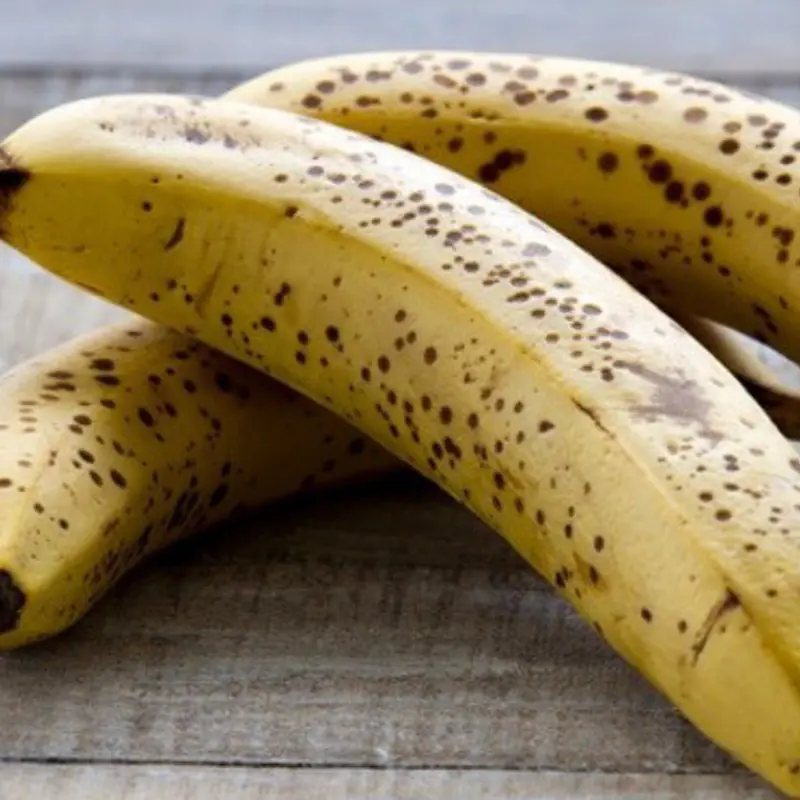
Digestive Effects at Night
Bananas are generally easy to digest, but eating any food right before lying down can sometimes cause discomfort. For individuals prone to acid reflux or indigestion, a bedtime snack — even a healthy one — may trigger symptoms.
Although bananas are not highly acidic, the act of eating close to bedtime increases stomach activity. When you lie down shortly after eating, stomach acid may move upward more easily, potentially leading to heartburn.
Experts often recommend finishing meals and snacks at least two to three hours before sleep to allow proper digestion.
Calorie Intake and Weight Concerns
Another factor to consider is total daily calorie intake. While a single banana contains roughly 90 to 120 calories, consistently adding extra nighttime snacks without adjusting overall intake may contribute to gradual weight gain.
Late-night eating is sometimes linked to mindless snacking rather than genuine hunger. If a banana replaces less healthy desserts, it may actually be a smart choice. But if it is an additional snack on top of an already sufficient diet, it may increase calorie consumption unnecessarily.
The Ripeness Factor
The speckled bananas shown in the image are fully ripe. As bananas ripen, their starch converts into simple sugars, making them sweeter and softer. Riper bananas are easier to digest but have a higher glycemic index.
Less ripe bananas contain more resistant starch, which digests more slowly and may have a smaller impact on blood sugar. Choosing a slightly less ripe banana may help reduce rapid glucose spikes at night.
Who Should Be Cautious?
While bananas are safe for most healthy individuals, certain groups may need to be more mindful:
-
People with diabetes or blood sugar concerns
-
Individuals with acid reflux or GERD
-
Those trying to manage weight through calorie control
-
Anyone sensitive to carbohydrate intake before bed
For these individuals, monitoring how the body responds to a nighttime banana can help determine whether it’s a suitable choice.
A Balanced Perspective
It’s important not to overstate the risks. Bananas remain a nutritious fruit packed with fiber, vitamin B6, vitamin C, and potassium. For many people, a banana before bed may actually support better sleep and muscle relaxation.
The key lies in moderation and timing. Eating a banana occasionally before bed is unlikely to cause harm in healthy individuals. Paying attention to portion size, ripeness, and overall diet makes a difference.
Final Thoughts
The warning that “eating bananas before bedtime may have unexpected effects” does not mean bananas are dangerous. Rather, it highlights that even healthy foods can affect people differently. Sleep quality, digestion, blood sugar, and personal health conditions all play a role.