Hearts of palm is a vegetable with a mild flavor that is low in calories, high in fiber, balanced in protein and carbohydrates, and rich in many nutrients that support health.
1. Can Help With Weight Management
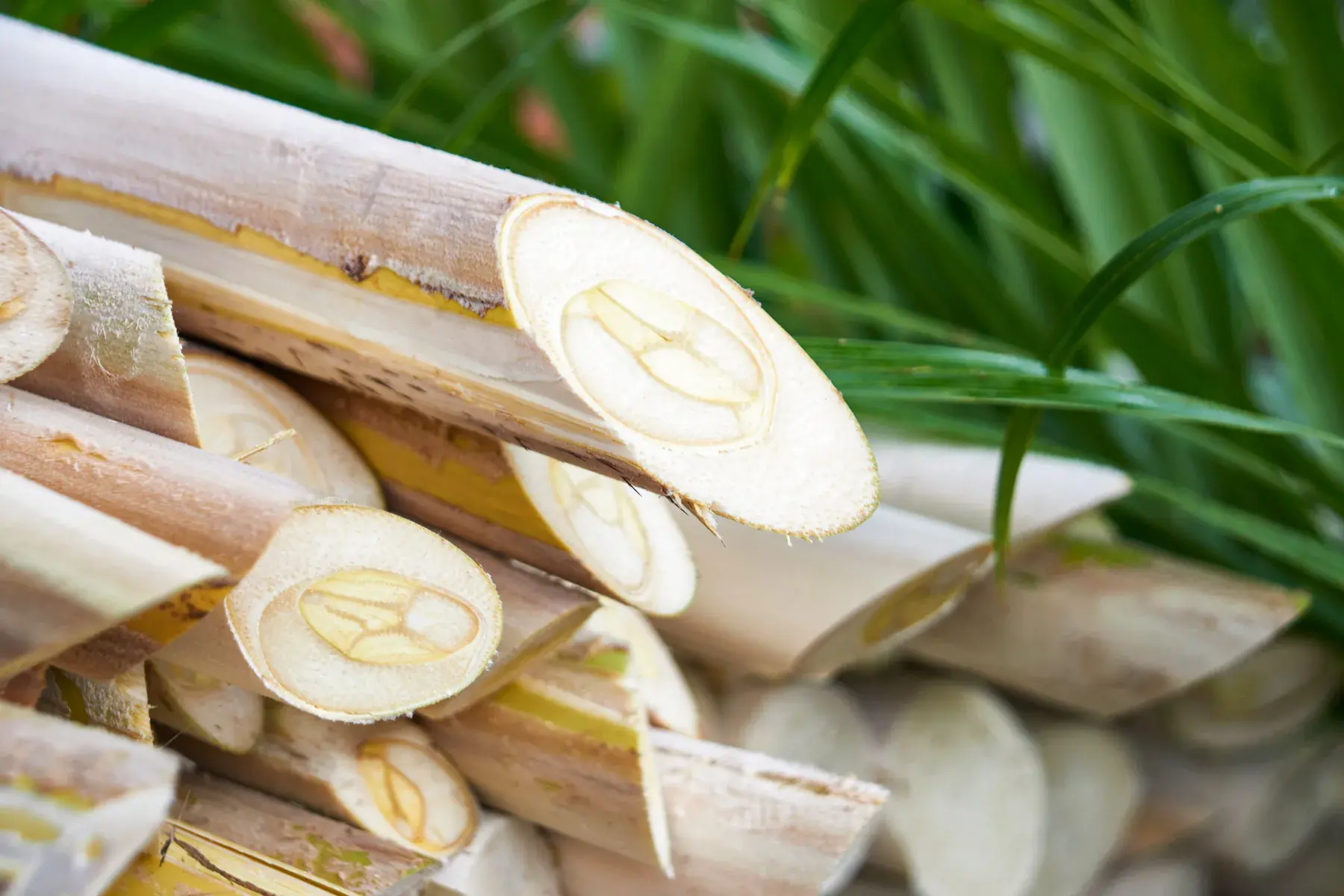
Hearts of palm are low in calories and contain zero fat, so this vegetable doesn’t cause weight gain. The fiber can help you feel fuller for longer, which can help prevent overeating.
Maintaining a healthy weight can help prevent many different diseases that are associated with obesity, such as heart disease, diabetes, liver disease, and cancer.1
2. Benefits Digestive Health
Hearts of palm are beneficial for your digestive health due to their:
- Prebiotics: This vegetable provides your body with prebiotics, a type of fiber that helps maintain healthy gut flora (beneficial microbes that reside in your digestive system). These help regulate your immune system and help your body break down and absorb nutrients from the food you eat.
- Fiber: The fiber content in hearts of palm can help promote healthy digestion and prevent constipation.
3. Contributes to Healing and a Healthy Immune System
Hearts of palm have several nutrients, including zinc, phosphorus, and magnesium, that help your body's tissues to heal and that help maintain a healthy immune system.34 Helping the body recover from damage and preventing infection can help protect you from illness and chronic disease.
4. Provides Antioxidants
Hearts of palm provide riboflavin, an antioxidant that helps to counteract damage from toxins and disease in your body.5 Antioxidants help prevent many diseases, including heart disease, cancer, liver failure, and kidney disease.
5. Provides Pregnancy Nutrition
During pregnancy, it's important to get a variety of vitamins and minerals—including folate, an especially important nutrient for the developing baby's brain and spinal cord. Eating hearts of palm can provide you with some of the folate and other nutrients that you need while you’re pregnant.
Nutrition Overview
Hearts of palm contain protein, carbohydrates, and several vitamins and minerals.
One hundred grams (g) or about 2/3 of a cup of hearts of palm contains:
- 36 calories
- 3.57 g protein
- 3.57 g carbohydrate
- 3.6 g fiber
- 0 g fat
Additionally, 1 cup of the vegetable includes a percentage of your daily vitamin and mineral needs:
- Vitamin C: 20% of your daily needs of this vitamin, which is a key component of skin health, your immune system, and healing
- Iron: 25% of your daily needs of this mineral, which is crucial for healthy red blood cells
- Niacin (vitamin B3): 4% of your daily needs of this vitamin, which has diverse roles, including helping your body use energy and keeping your nervous system healthy
- Folate: 15% of your daily needs of this vitamin, which is a key component of healthy red blood cells, and essential for pregnant people and the in-utero baby’s nervous system
- Magnesium: 15% of your daily needs of this mineral, which has numerous roles, including keeping your muscles and your heart healthy
- Calcium: 8% of your daily needs of this mineral, which helps keep your bones strong, and your heart pumping
- Phosphorus: 10% of your daily needs of this mineral, which helps strengthen your teeth and bones, and promotes healing
- Zinc: 10% of your daily needs of this mineral, which supports healing and promotes a healthy immune system
- Riboflavin (vitamin B2): 6% of your daily needs of this vitamin, which plays a variety of roles in your body, including as an antioxidant to prevent disease
Sodium

The sodium content in canned hearts of palm can be high, so check the label if you are watching your sodium intake.8 It may be helpful to use fresh hearts of palm and prepare them yourself instead.
How Can You Use Hearts of Palm?
You can prepare this vegetable in several different ways. You can buy it fresh, clean it, and cook it.6 Then it can be added to soups, pasta, and stews. This allows you to avoid the added sodium in canned hearts of palm.
Hearts of palm are often available canned and preserved. In this form, you can cook them or use them straight out of a can to add to cooked or cold dishes, such as salads or cold pastas.
Hearts of palm have a mild flavor and can be adapted to most cuisines, as this vegetable can take on the flavoring of the dishes you add it to.