As life approaches its natural end, the human body undergoes a series of physical changes. While the idea that “the body senses when the end is approaching” may sound dramatic, medical science confirms that there are recognizable patterns in the final stages of life. Many of these changes are subtle at first and often involve breathing and the respiratory system — which is closely connected to the nose.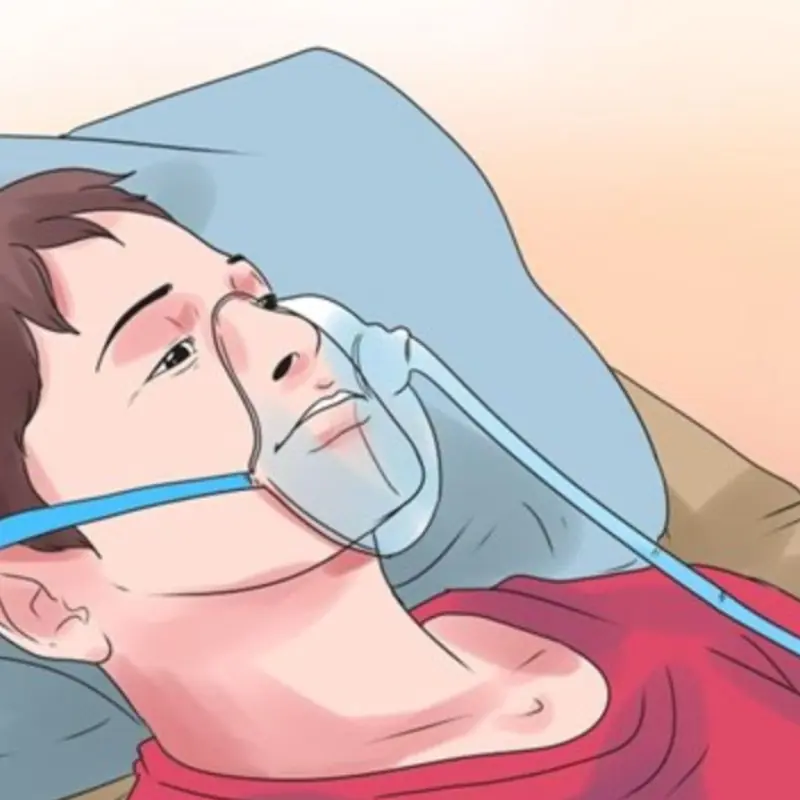
The image above depicts a patient lying in bed with an oxygen mask, suggesting advanced illness or end-of-life care. In such situations, breathing patterns frequently change before other visible signs appear. Understanding these changes can help families and caregivers prepare emotionally and medically.
Changes in Breathing
One of the most noticeable signs in the final stage of life involves breathing. As the body’s systems gradually slow down, breathing may become irregular. This can include:
-
Slower breathing than normal
-
Periods of rapid breathing followed by pauses
-
Shallow breaths
-
Audible congestion or rattling sounds
The so-called “death rattle” occurs when a person becomes too weak to clear secretions from the throat and airways. These sounds often originate in the nose and upper respiratory tract. Although they may be distressing to hear, they typically do not cause pain to the person experiencing them.
The nose plays a key role because it is part of the upper airway. As circulation weakens and muscle control decreases, mucus can accumulate, and airflow may change. Care teams sometimes provide oxygen therapy, as shown in the image, to improve comfort rather than to cure the underlying condition.
Reduced Sense of Smell and Awareness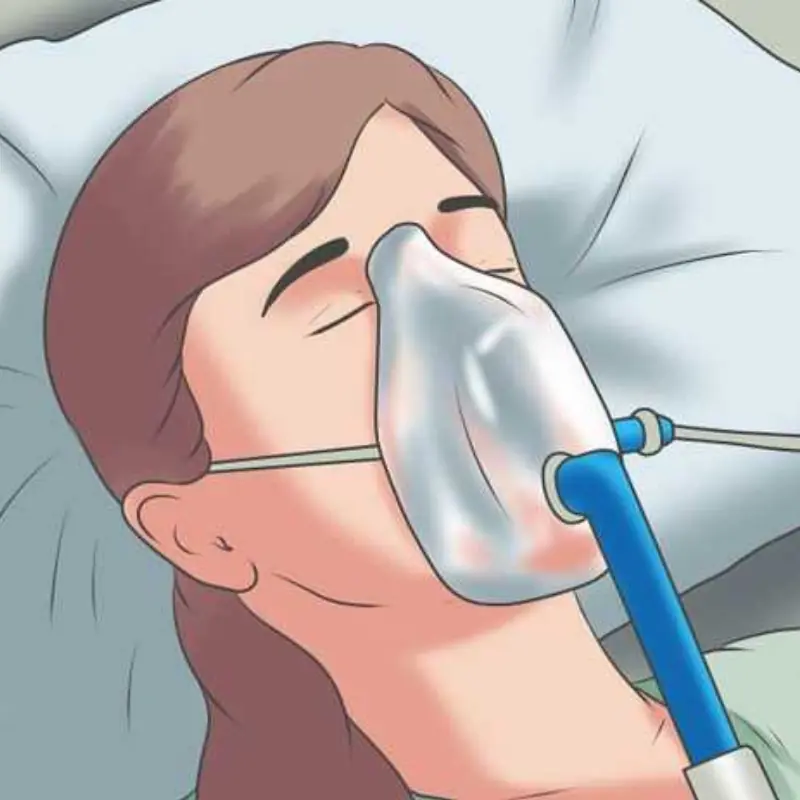
Another lesser-known change involves the sense of smell. The olfactory system — responsible for detecting odors — is closely linked to the brain. In serious illness, neurological and circulatory decline may affect this system. A reduced ability to smell or respond to scents can sometimes occur in advanced stages of disease.
However, it is important to clarify that there is no scientific evidence that the nose “predicts” death. Instead, what people observe are the physical consequences of organ systems gradually shutting down.
Circulatory and Skin Changes
As the heart becomes less efficient, blood flow to the extremities decreases. Hands, feet, and the tip of the nose may feel cool to the touch. Skin color can change, sometimes appearing pale, bluish, or mottled. These shifts are signs that circulation is slowing and the body is conserving energy for vital organs.
The nose may also appear slightly discolored due to reduced oxygen levels in the blood. This condition, known as cyanosis, can give the lips and nasal area a bluish tint.
Decreased Energy and Responsiveness
In the final days or hours, individuals often sleep more and interact less. Energy levels drop significantly. They may respond only briefly to voices or touch, or not at all. Appetite typically declines, and swallowing may become difficult.
These changes are natural and reflect the body’s gradual transition. Medical professionals emphasize comfort care at this stage — focusing on pain relief, emotional support, and dignity.
Emotional and Family Impact
Witnessing these changes can be overwhelming for loved ones. The image of a person wearing an oxygen mask is often associated with vulnerability and seriousness. Families may interpret breathing changes as sudden deterioration, but in many cases, these shifts are part of a predictable process.
Hospice and palliative care teams play a critical role in explaining what is happening. They reassure families that irregular breathing, nasal congestion sounds, and increased sleep are common signs in the final stage of life.
A Natural Biological Process
Death, though emotionally painful, is a biological process. The body does not consciously “sense” death in a mystical way. Instead, organs gradually lose function due to illness, aging, or injury. The respiratory system is often among the most visibly affected because breathing is essential and noticeable.
Oxygen masks and supportive devices, like the one shown in the image, are used to ease discomfort. Their purpose is not always to prolong life indefinitely but to make breathing easier and reduce distress.
When to Seek Medical Guidance
If someone is seriously ill and experiences sudden breathing changes, it is important to consult healthcare professionals. Not all respiratory symptoms indicate end-of-life progression. Infections, medication side effects, or treatable complications can also cause breathing difficulties.