⚠️ Warning: 20 Early Signs Your Body May Be Fighting Cancer
Let’s get one thing straight:
Not every symptom means cancer. But ignoring persistent, unexplained changes in the body? That’s not the move.
Cancer often develops quietly. In early stages, the body may send subtle warning signals — small shifts that are easy to brush off as stress, aging, or “just being tired.”
The key is not panic. The key is awareness.
Below are 20 early signs that should never be ignored — especially if they persist for weeks or worsen over time.
1. Unexplained Weight Loss



Losing weight without trying — especially more than 5–10% of body weight in a few months — can be an early sign of certain cancers, including pancreatic, stomach, lung, or esophageal cancer.
If appetite hasn’t changed but weight keeps dropping, investigate.
2. Persistent Fatigue

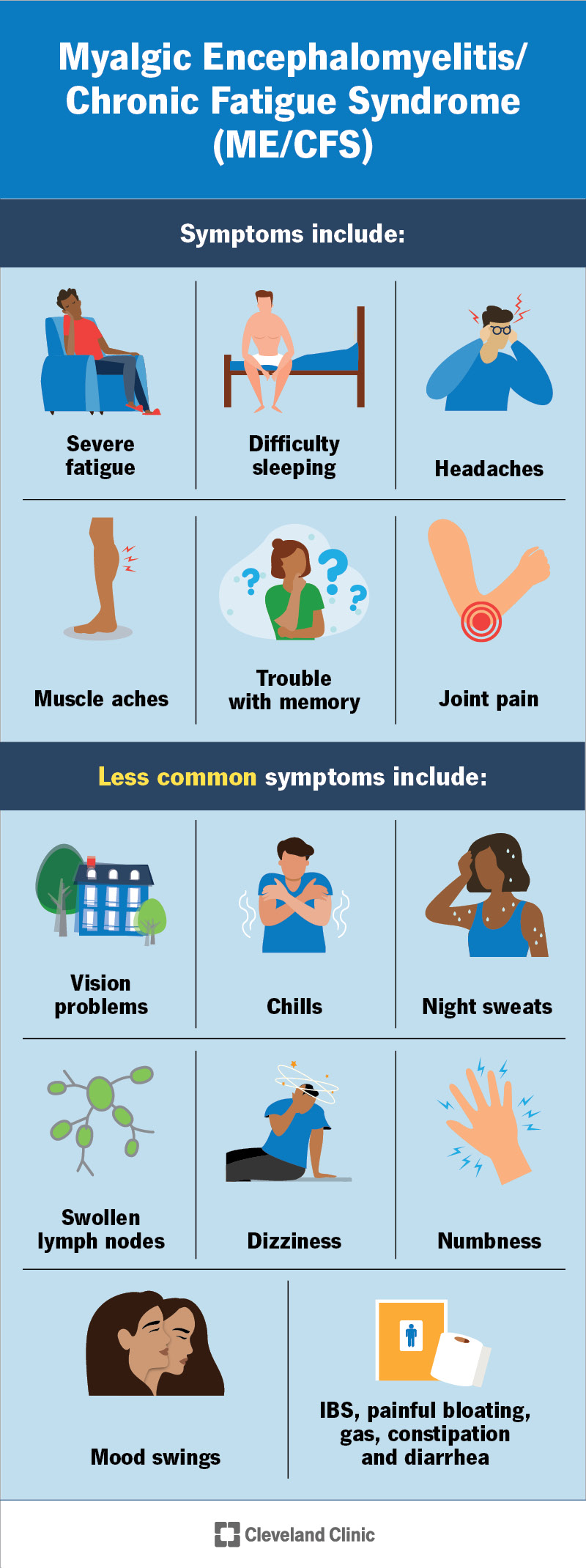

Cancer-related fatigue feels different. It doesn’t improve with rest. It feels heavy, constant, draining.
When fatigue becomes your new normal without clear cause, don’t ignore it.
3. Skin Changes


Watch for:
-
New moles
-
Changes in color, size, or shape
-
Irregular borders
-
Non-healing sores
The ABCDE rule (Asymmetry, Border, Color, Diameter, Evolving) is critical for melanoma detection.
4. Persistent Cough or Hoarseness



A cough lasting more than 3 weeks — especially with blood — should be evaluated.
Hoarseness that doesn’t resolve may signal throat or thyroid issues.
5. Changes in Bowel or Bladder Habits
Unexplained constipation, diarrhea, blood in stool, or urinary changes can be warning signs — especially if persistent.
6. Unusual Bleeding or Discharge
-
Blood in stool or urine
-
Vaginal bleeding outside normal cycle
-
Coughing up blood
These symptoms require immediate evaluation.
7. A Lump or Thickening Under the Skin
Breast, testicular, lymph node, or soft tissue lumps should always be examined — even if painless.
8. Difficulty Swallowing
Persistent trouble swallowing may relate to esophageal or throat conditions.
9. Chronic Indigestion or Stomach Pain
When “just acid reflux” doesn’t respond to treatment and lingers for weeks, dig deeper.
10. Persistent Fever Without Infection
Low-grade fever that won’t resolve may signal immune system involvement.
11. Night Sweats
Excessive night sweating without environmental cause can be associated with certain blood cancers.
12. Bone Pain
Deep, unexplained bone pain — especially worsening at night — should be investigated.
13. Frequent Infections
If infections occur repeatedly or take longer to heal, immune suppression may be involved.
14. Mouth Sores That Don’t Heal
Persistent ulcers or white patches in the mouth deserve attention.
15. Chronic Headaches With Neurological Changes
Headaches accompanied by vision changes, weakness, or confusion require evaluation.
16. Abdominal Swelling or Bloating
Persistent bloating — particularly in women — may be linked to ovarian conditions.
17. Enlarged Lymph Nodes
Nodes that remain swollen for weeks without infection should be checked.
18. Changes in Breast Tissue
-
Skin dimpling
-
Nipple inversion
-
Unusual discharge
Early detection saves lives.
19. Persistent Pain
Pain without clear injury that lingers is the body’s alarm system.
20. Feeling “Something Is Not Right”
Sometimes intuition matters. When symptoms stack up and don’t resolve, trust that signal and seek evaluation.
Important Perspective
Most of these symptoms are caused by non-cancerous conditions. Stress, infections, hormonal shifts, and autoimmune issues can mimic many of these signs.
The takeaway is not fear — it’s action.
If a symptom:
-
Persists longer than 2–3 weeks
-
Progressively worsens
-
Has no clear explanation
Schedule a medical evaluation.
Early Detection Changes Outcomes
When detected early, many cancers are highly treatable. Screening tests, physical exams, imaging, and blood work can clarify concerns quickly.
Waiting out symptoms can allow disease progression.
Listening to the body is not paranoia — it’s preventive care.
Final Thought
Health is not about obsessing over every ache. It’s about recognizing patterns.
Persistent changes are messages.
Don’t panic — but don’t ignore them either.
Awareness is power. Early action saves lives.