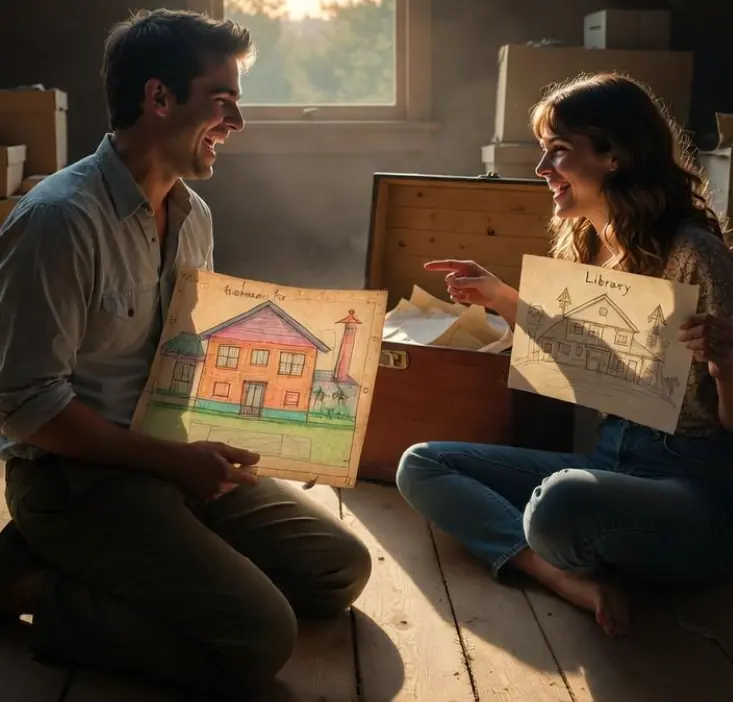
The house we inherited came with old arguments and a new beginning
The house we inherited came with old arguments and a new beginning
Story 20/02/2026 21:54
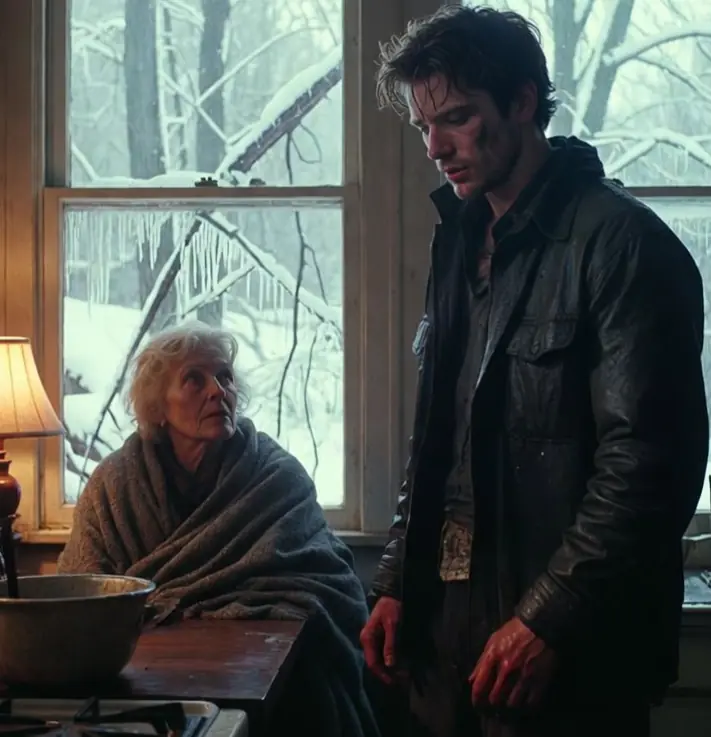
In the quiet, tree-lined suburbs of Connecticut where I grew up, my mother, Eleanor, was the unofficial curator of excellence. She believed in things that were "solid": Ivy League degrees, white-collar stability, and a pedigree that looked good on a holiday card. When I brought home Jack, I knew I was bringing a thunderstorm into her perfectly manicured garden.
Jack is a master carpenter. He’s a man who speaks in the language of wood grain and structural integrity. He has calloused hands, a soft-spoken demeanor, and a laugh that rumbles like a classic truck. To me, he was home. To my mother, he was a "temporary detour."
For the first five years of our marriage, our family dinners were exercises in tactical patience. My mother never yelled—she was far too refined for that—but she had mastered the art of the "polite inquiry" that doubled as a surgical strike.
"So, Jack," she’d say, smoothing her linen napkin while we sat in her formal dining room, "I saw that the new tech firm is hiring project managers. Such a steady career path. Have you given any more thought to putting that talent of yours into a... more professional setting?"
Jack would take a sip of his water, his expression calm. "I like building things people can actually touch, Eleanor. There’s a different kind of steady in a well-built house."
"I suppose," she’d reply, her voice trailing off with a sigh that suggested she was mourning my potential.
It wasn't just his career. It was the way he dressed, the way he didn't care about the "right" zip code, and the way he prioritized a Saturday spent fixing a neighbor’s porch over a networking brunch. Every time we visited, I felt caught in a tug-of-war. I spent my time translating Jack to my mother and defending my mother to Jack. The strain was a silent, pulsing rhythm in our lives, a distance that made every holiday feel like a performance I was failing.
The crisis arrived on a Tuesday in January, during a winter that had been particularly brutal. My father had passed away two years prior, and Eleanor was living alone in the large Victorian house that had been in our family for generations. She was fiercely independent, refusing to admit that the maintenance of a century-old home was becoming too much for her.
A massive ice storm hit our town, snapping power lines and coating the world in a two-inch layer of frozen glass. I was at home, worried sick, when the phone rang at 11:00 PM. It was my mother. Her voice, usually so composed, was thin and trembling.
"Diane... a tree limb has come through the roof in the back parlor. The pipes... I think they’ve burst. There’s water everywhere, and the heat is out. I’m so cold."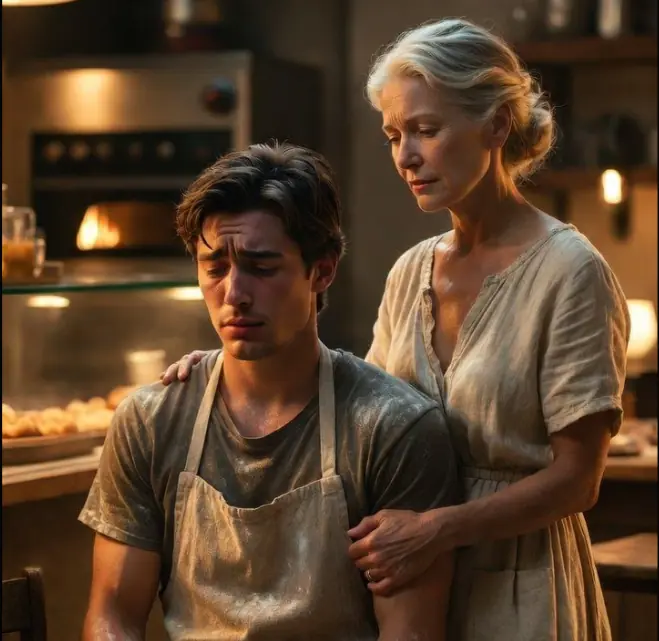
I felt a surge of panic. The roads were officially closed, and the emergency services were overwhelmed with downed lines and accidents. "Mom, stay in the front room! Wrap up in blankets! We’ll try to get to you."
I turned to Jack, who was already pulling on his heavy boots and thermal gear. He didn't ask if we should go. He didn't mention that Eleanor had spent the last five years making him feel like a guest in her life. He just grabbed his heavy-duty tool chest and a portable generator from the garage.
"Jack, the police said the roads are impassable," I whispered.
"Not for the truck with the chains," he said, his voice steady and low. "Stay here where it’s warm, Diane. I’ll get her."
The next four hours were a blur of waiting. I sat by the window, watching the ice coat the glass, imagining Jack navigating the treacherous, lightless hills. When he finally reached her, he didn't just check on her; he went to work.
He found my mother huddled in the kitchen, the temperature in the house dropping into the thirties. While the world outside was frozen and chaotic, Jack became a whirlwind of quiet, calculated action. He climbed onto the icy roof in the dark to tarp the hole. He shut off the main water line and spent hours in the freezing crawlspace soldering the burst pipes to prevent further flood damage. He set up the generator to get the space heaters running in her bedroom.
He didn't do it for praise. He didn't do it to say "I told you so." He did it because that is who Jack is—a man who shows up when the structure is failing.
When the sun finally rose over the glittering, frozen landscape, the roads had been cleared enough for me to drive over. I walked into the house, expecting to find a disaster zone. Instead, I found the house warm, the leak contained, and my mother sitting at the kitchen table.
Jack was at the stove, his face smudged with soot and his hands red from the cold, making her a cup of tea.
"Jack says the roof will hold until the professional crew can get here on Monday," my mother said. She looked at me, and for the first time in my life, her "curator’s eye" seemed to be seeing something entirely different.
Jack set the tea down in front of her. "I’ll come back tonight to check the generator, Eleanor. You should try to get some sleep."
"Jack," she said, her voice stopping him at the door. He turned, looking tired but ready for whatever question she had next.
"Thank you," she said. It was a simple phrase, but the weight of it changed the atmosphere of the room. "I spent so much time looking at your hands and thinking they were just... dirty. I didn't realize they were the only thing that could hold this house together when everything else broke."
Jack offered her a small, genuine smile. "It’s a good house, Eleanor. It just needs a little looking after. Just like anyone else."
The reconciliation didn't happen with a grand speech. It happened in the weeks that followed. My mother stopped asking about project management jobs. Instead, she started asking Jack’s opinion on the foundation of the porch or the best way to preserve the old oak doors. She started looking at his calloused hands with a sense of wonder rather than worry.
She realized that the "solid" things she had been looking for weren't found in a degree or a title. They were found in integrity, in the willingness to drive through an ice storm for a woman who hadn't been kind to you, and in the quiet strength of a man who builds things to last.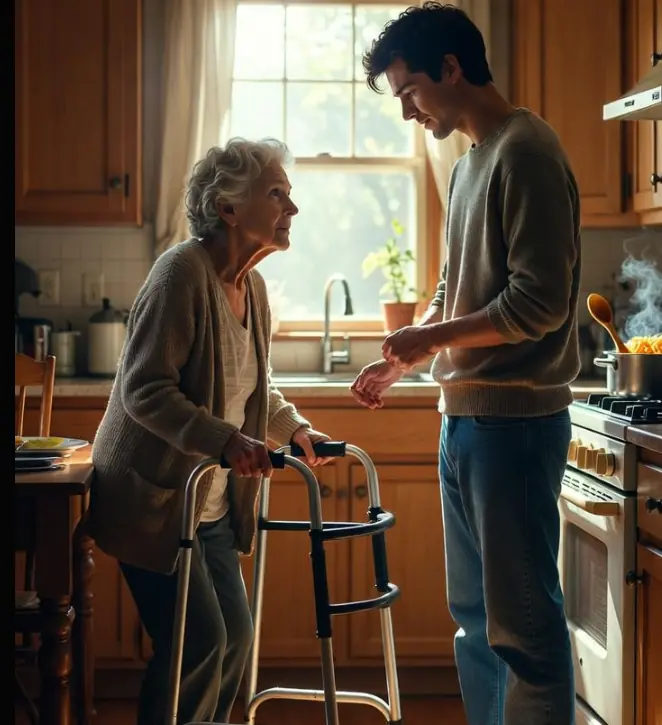
The next time we had Sunday dinner, the atmosphere had shifted. The white-linen napkins were still there, but the "polite inquiries" had been replaced by genuine conversation.
"Jack," my mother said, leaning across the table with a twinkle in her eye, "Ben from the gardening club has a gazebo that’s leaning. I told him he shouldn't trust just anyone with it. I told him he needed a professional. I told him he needed my son-in-law."
I looked at Jack, and then at my mother. The tug-of-war was over. The two people I loved most had finally found a common language—not the language of Ivy League pedigree, but the language of mutual respect.
We are the Millers, and our family isn't a perfectly manicured garden anymore. It’s a little bit more rugged, a little bit more honest, and a whole lot stronger. I’ve learned that a mother’s protection is a beautiful thing, but it can sometimes blind her to the beauty of a different kind of strength.
Jack didn't have to change who he was to be "good enough." He just had to be himself until the storm was loud enough for her to hear him.
Love doesn't require everyone to have the same background. It just requires us to recognize the value in the hands that hold us up. And in our house, the tea is warm, the roof is solid, and the family is finally whole.
The house we inherited came with old arguments and a new beginning
The blended family vacation that almost ended in disaster

The day my half-brother called me sister for the first time
My father chose happiness again and I had to learn what that meant
Two stepsisters, one bedroom, and a lesson about sharing more than space
Grandma moved in and brought more than just her suitcases
My stepmother wasn’t trying to replace my mom she was trying to love me
The stepfather i kept at a distance became the man who never left my side

He babysitter who almost broke our marriage helped us save it instead
My brother stopped speaking to me over money until we remembered who we were

Our blended family almost didn’t survive the first christmas
The day my son-in-law called me mom changed everything
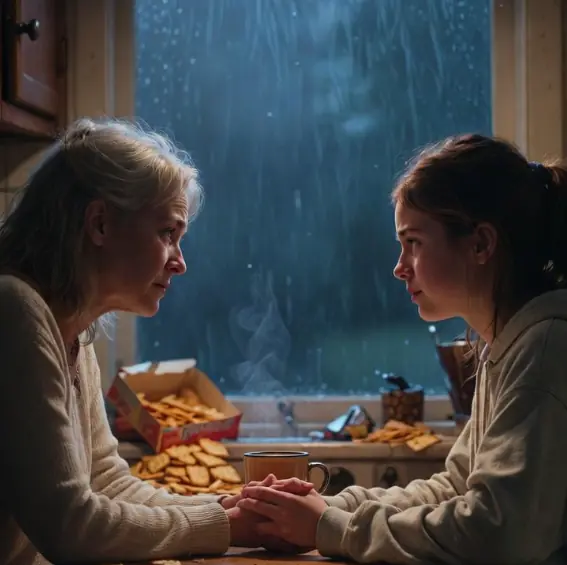
My daughter blamed me for the divorce until she learned the whole story
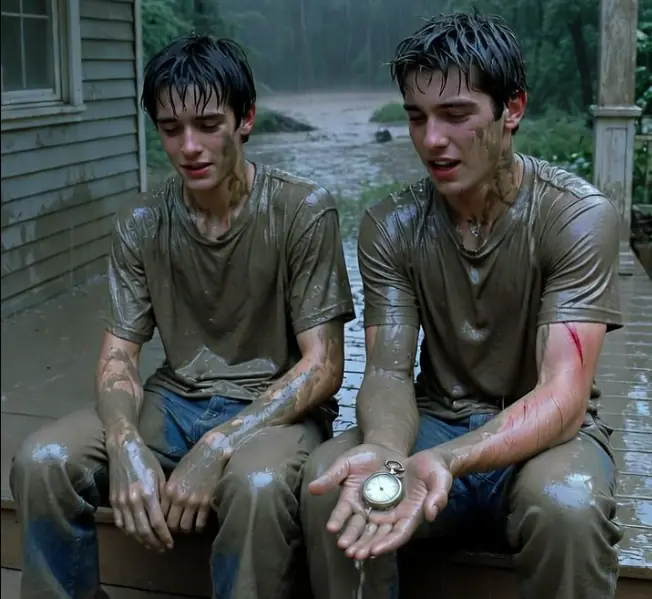
Two stepbrothers, one inheritance, and the lesson we never expected
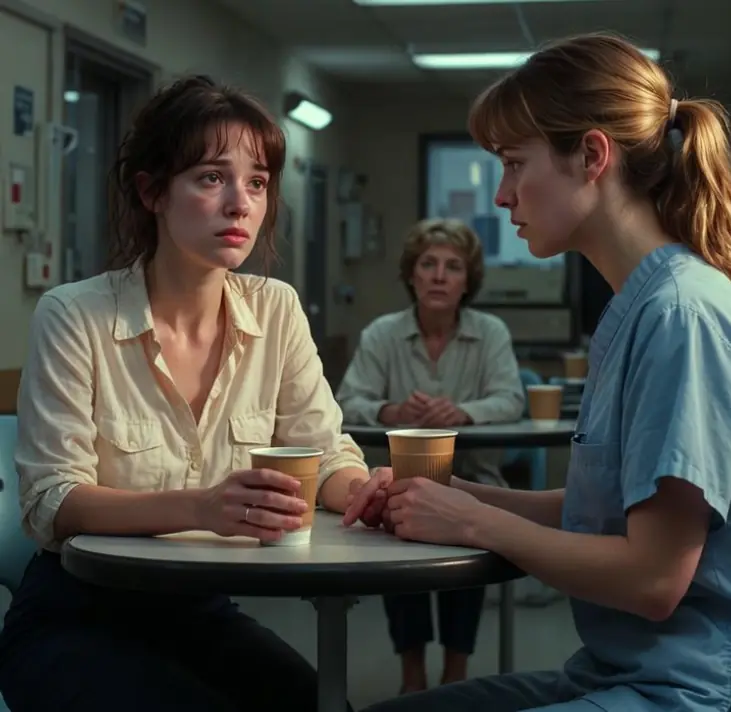
The half-sister i resented became the person who saved our family
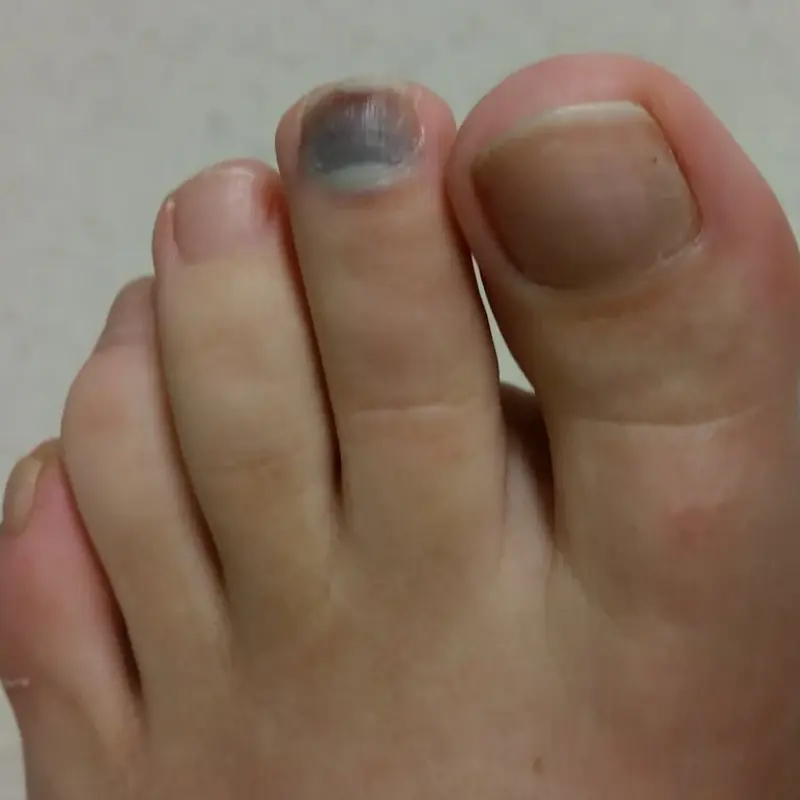
Black toenail? Causes, warning signs, and what to do next.

Scientists Sh.oc.ked — One Protein May Be the Root of Every Ca.nc.er
Thought salmon was the DHA king? The real champion is a fish you’ve probably ignored
If you often notice ringing in your ears, this might be a sign that you will suffer from ...
8 Unusual Signs That May Indicate Cervical Cancer – Women Should Know Early
Don’t Ignore These 20 Early Warning Signs That Your Body Could Be Fighting Can:cer
4 signs parents need to understand to save their children
Some fruits, though delicious and seemingly healthy, can become
The house we inherited came with old arguments and a new beginning
The blended family vacation that almost ended in disaster
The day my half-brother called me sister for the first time
My father chose happiness again and I had to learn what that meant
Two stepsisters, one bedroom, and a lesson about sharing more than space
Grandma moved in and brought more than just her suitcases
My stepmother wasn’t trying to replace my mom she was trying to love me