The house we inherited came with old arguments and a new beginning
The house we inherited came with old arguments and a new beginning
Story 20/02/2026 21:54
For three years, the guest room at the end of the hallway was a revolving door of my resentment. When my mom married David, I was fourteen, an age where my world was already a chaotic map of shifting friendships and high school anxieties. To me, David wasn't a partner for my mom; he was an interloper. He was a tall, soft-spoken civil engineer with a penchant for plaid shirts and an incredibly patient smile that, for some reason, made me want to scream.
I had a biological father, a man who lived three states away and sent enthusiastic, if somewhat generic, birthday cards every year. In my head, that position was filled. Closed. No vacancies. I was convinced that every time David offered to help me with my honors geometry or tried to join us for our Friday night taco tradition, he was trying to audition for a role that didn't belong to him.
"You don't have to do that, David," I’d say, my voice dripping with the kind of practiced coldness only a teenage girl can achieve. "My dad used to handle the grill. I think we can manage."
The dinners were the hardest. We sat in the dining room, the air thick with the sound of silverware clinking against china and the desperate, cheerful chatter of my mother trying to bridge a chasm that I was determined to keep wide. David would ask about my day, and I would provide the bare minimum—a verbal crumb to keep my mom from lecturing me later.
"School was fine," I’d mutter, staring at my mashed potatoes.
"I heard the robotics club is starting their regional competition," David would say, trying again. "That sounds like a great challenge, Claire."
"It’s just a club, David. It's not a big deal."
I saw the way his shoulders would drop just a fraction of an inch, a tiny tell of his disappointment. But he never pushed. He never raised his voice. He just stayed in his lane, a polite ghost in a house I felt was being slowly rewritten in a language I didn't want to speak. I viewed his kindness as a tactic, a way to "buy" my loyalty, and I wasn't for sale.
The tension reached its peak during my junior year. I had poured everything into the regional science fair. My project on sustainable urban water systems was my ticket to a prestigious summer internship, something I had dreamed about since middle school. I had spent months in the garage—my sanctuary—building a working prototype of a filtration system.
David stayed out of the garage. He knew it was my space. Sometimes I’d see him standing in the doorway, watching from a distance, but he never offered advice unless I asked, which I never did.
The day of the regional finals was a disaster from the start. A heavy spring storm had rolled through our town, and as I was loading the prototype into the back of my mom’s SUV, the wind caught the heavy plexiglass casing. It hit the pavement with a sickening crack. The central pump, the heart of the entire project, shattered.
I stood in the driveway, the rain soaking through my jacket, staring at the ruins of three months of work. I didn't cry. I just felt a hollow, cold weight settle in my chest.
"Claire? What happened?" My mom ran out, her face pale.
"It’s over," I said, my voice flat. "The fair starts in two hours. The pump is gone. It's done."
I went to my room and closed the door. I sat on the edge of my bed, listening to the rain, waiting for the familiar feeling of being let down. I expected my mom to come in and offer platitudes about "next year." I expected the house to stay quiet.
But an hour later, there was a knock on my door. It wasn't my mom. It was David.
"Claire," he said through the wood. "The car is running. We should go."
"Go where?" I snapped. "There’s nothing to show."
"Open the door."
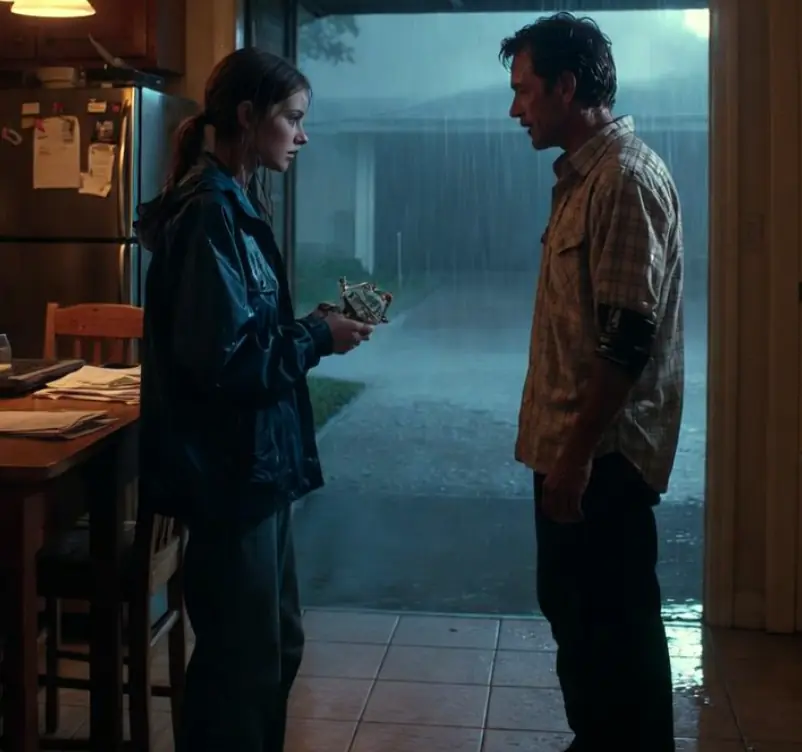
I opened it, ready to unleash a lecture on why he shouldn't interfere. David was standing there, his plaid shirt damp, holding my prototype. It looked... different. He had used a high-grade industrial sealant on the casing, and in place of my shattered pump, he had rigged a temporary but functional replacement using a part from his own professional modeling kit.
"I didn't change the design," he said quickly, as if sensing my immediate defensiveness. "I just gave it a heart transplant. It’s not a permanent fix, but it’ll run for the duration of the judging. I also found the data logs you left on the workbench. They're in the folder."
I looked at the machine, then at him. He didn't look like he was waiting for a thank-you. He looked like a man who had spent sixty minutes in a cold garage because he knew how much this mattered.
"Why?" I whispered.
"Because you worked too hard to let a gust of wind take it away," he said simply. "Let's go. We can still make the check-in."
I didn't win the grand prize that day, but I got the internship. Throughout the entire ceremony, David stayed in the very back of the auditorium. When people congratulated my mom on "her daughter's" achievement, David didn't step forward. He didn't mention the hour in the garage or the part he had taken from his own kit. He just stood there, hands in his pockets, smiling at me from the shadows.
That night, the house felt different. The "ghost" had a face now, and it wasn't the face of an intruder. It was the face of a man who was willing to be the background noise in my success.
I found him in the kitchen, late that evening, getting a glass of water.
"David?"
He turned, looking a bit surprised. "Hey, Claire. Great job today. Seriously."
"I thought you were trying to replace my dad," I said, the honesty coming out before I could filter it. "I thought everything you did was a way to make me forget him."
David set his glass down. He didn't look offended. He looked at me with a depth of understanding that made my throat tighten. "Claire, I lost my own father when I was twelve. I know that space in your heart is a permanent one. I’m not an engineer trying to rebuild your family; I’m just a guy who loves your mother and thinks you’re a pretty remarkable person. I don't want to be your 'new' father. I just want to be your David. I want to be the person you can count on when the pump breaks."
I felt the last of the walls I had built over three years crumble into the kitchen tile. I realized that David wasn't trying to rewrite my past; he was just trying to support my future. He hadn't been "auditioning" for a role; he had been living it, quietly and without credit, while I held him at arm's length.
"I'm sorry," I said, the tears finally arriving. "I've been really difficult."
David walked over and did something he had never done before. He reached out and gave my shoulder a gentle, supportive squeeze. "You were being protective of your heart, Claire. There’s nothing to be sorry for."
Since that night, the revolving door of my resentment has been locked for good. We still have taco Fridays, but now I’m the one who asks David if he wants to handle the seasoning. We still have awkward dinners sometimes, but they're the "we’re all tired and the food is burnt" kind of awkward, not the "I don't want you here" kind.
I’ve learned that family isn't a finite pie where adding one person means someone else gets less. It’s a structure that can always handle an extra pillar. David didn't take my father’s place; he built a new place right next to it.
We are the Millers, and we are a work in progress. I still call him David, but the way I say it has changed. It’s no longer a label for a stranger; it’s a name for a hero who doesn't wear a cape—just a plaid shirt and a pair of sealant-stained hands.
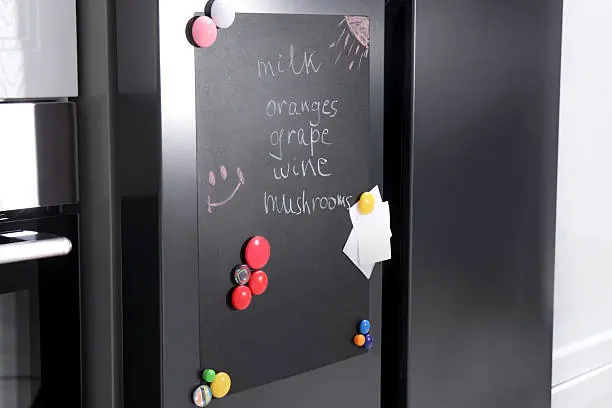
Love doesn't have to be biological to be real. Sometimes, the man who didn't give you life is the one who makes sure you have the courage to live it. And as I look at the internship acceptance letter on the fridge, held up by a magnet David bought me, I realize that I’m not just a daughter of a broken home. I’m a daughter of a home that was strong enough to grow.
The house we inherited came with old arguments and a new beginning
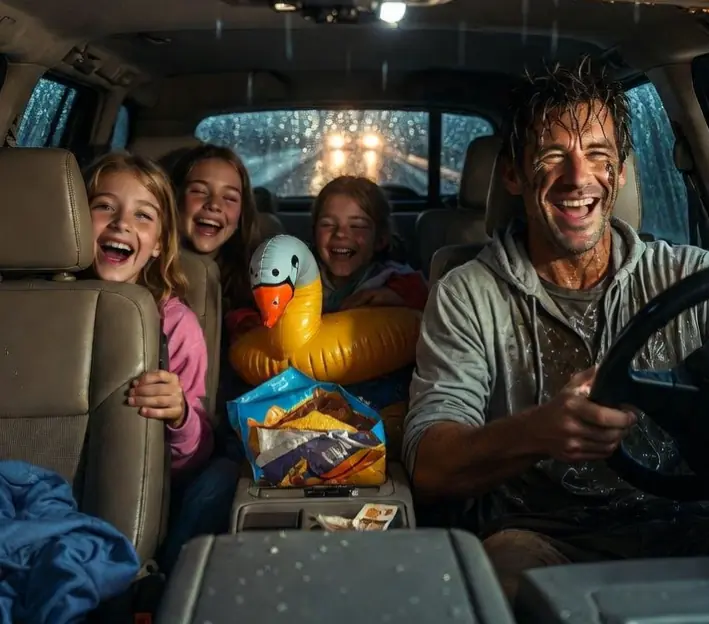
The blended family vacation that almost ended in disaster
My mother thought my husband wasn’t good enough until he proved her wrong

The day my half-brother called me sister for the first time
My father chose happiness again and I had to learn what that meant
Two stepsisters, one bedroom, and a lesson about sharing more than space
Grandma moved in and brought more than just her suitcases
He babysitter who almost broke our marriage helped us save it instead
My brother stopped speaking to me over money until we remembered who we were
Our blended family almost didn’t survive the first christmas
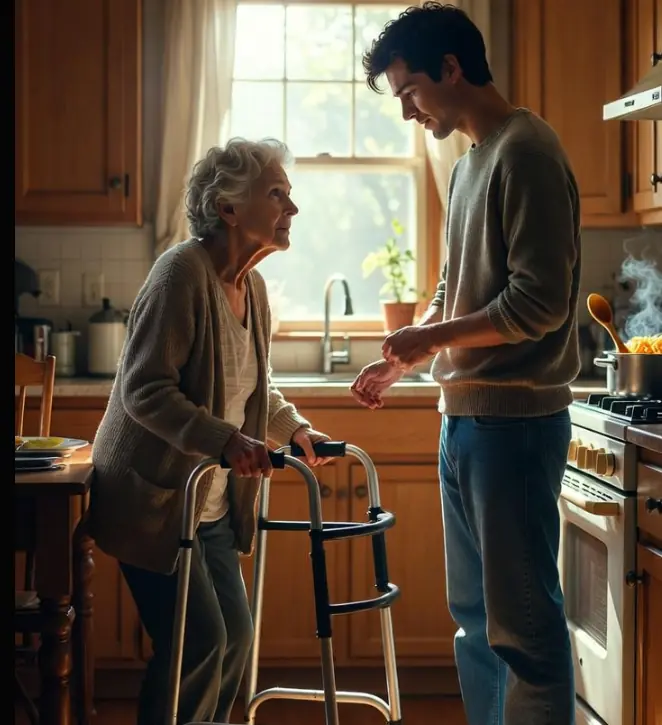
The day my son-in-law called me mom changed everything
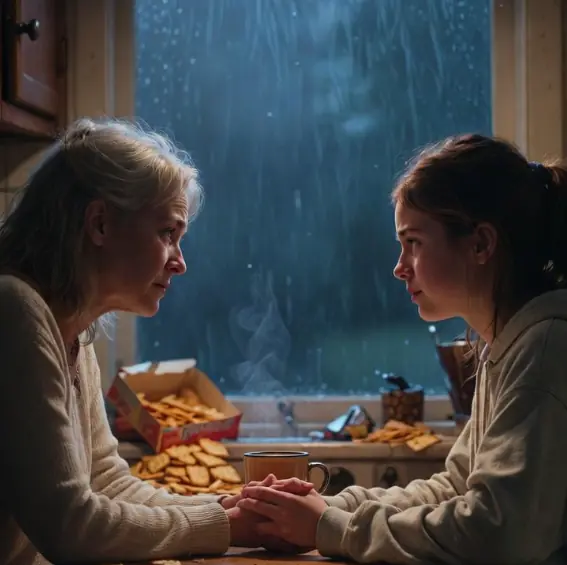
My daughter blamed me for the divorce until she learned the whole story
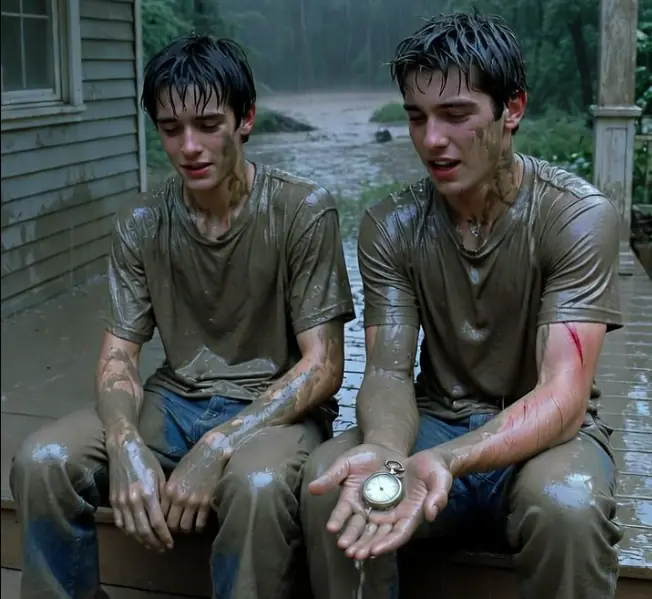
Two stepbrothers, one inheritance, and the lesson we never expected
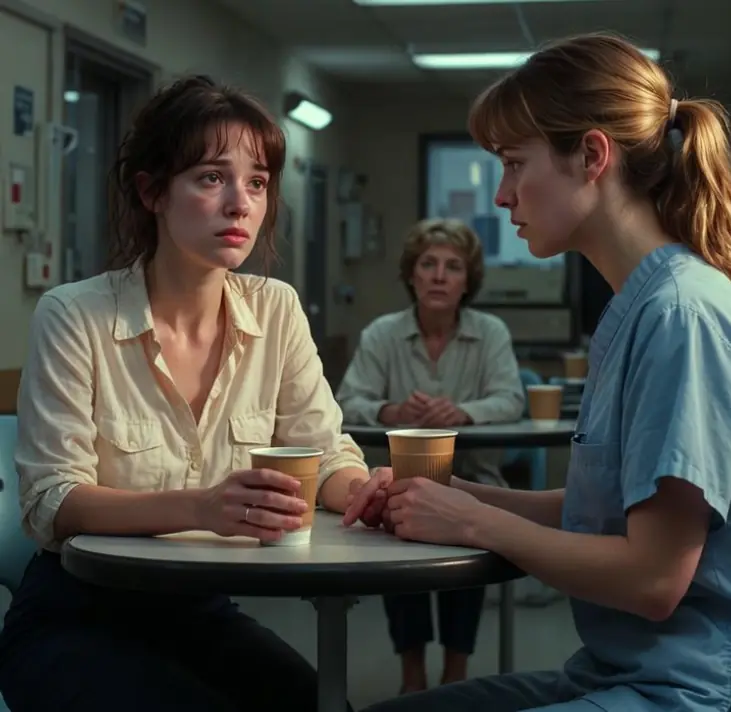
The half-sister i resented became the person who saved our family
8 Unusual Signs That May Indicate Cervical Cancer – Women Should Know Early
Don’t Ignore These 20 Early Warning Signs That Your Body Could Be Fighting Can:cer
4 signs parents need to understand to save their children
Some fruits, though delicious and seemingly healthy, can become
The house we inherited came with old arguments and a new beginning
The blended family vacation that almost ended in disaster
My mother thought my husband wasn’t good enough until he proved her wrong
The day my half-brother called me sister for the first time
My father chose happiness again and I had to learn what that meant
Two stepsisters, one bedroom, and a lesson about sharing more than space
Grandma moved in and brought more than just her suitcases
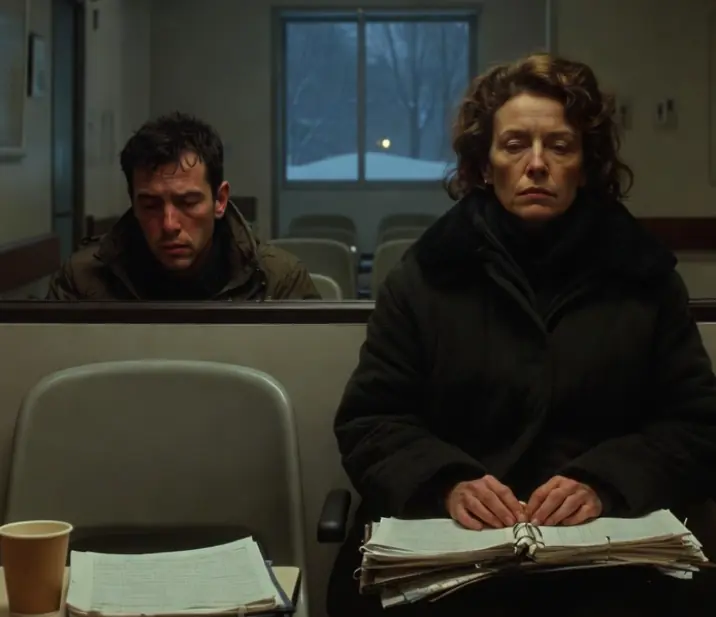
My stepmother wasn’t trying to replace my mom she was trying to love me
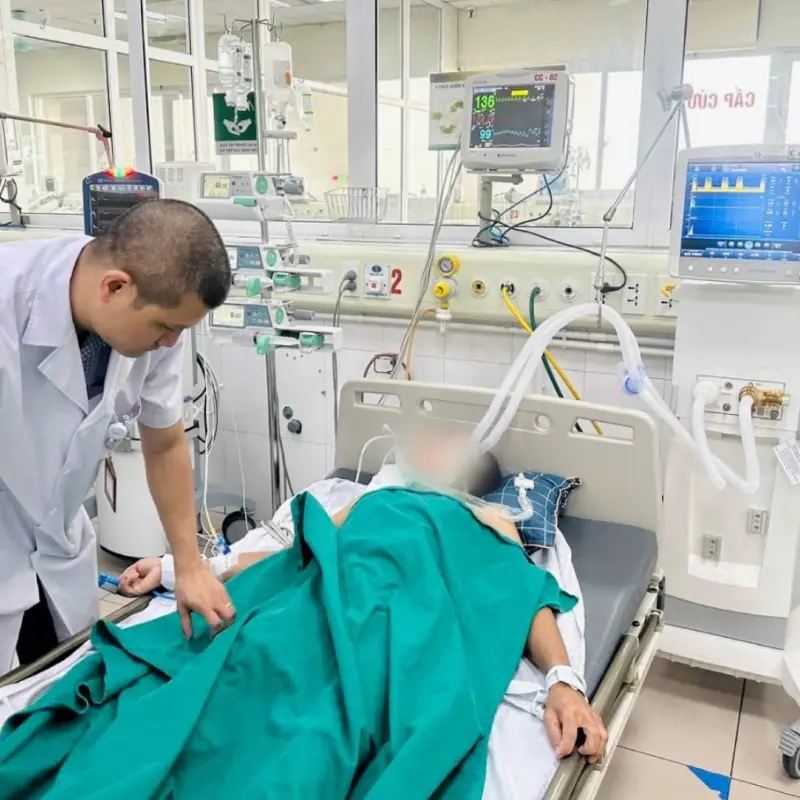
Garlic has benefits—but it’s not safe for everyone.
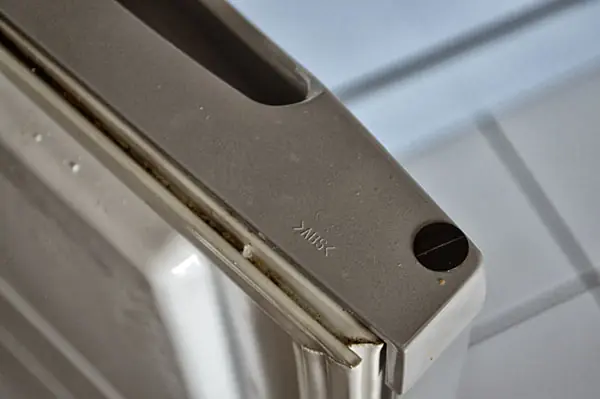
Best Methods for Cleaning the Rubber Seal Around Your Fridge Door
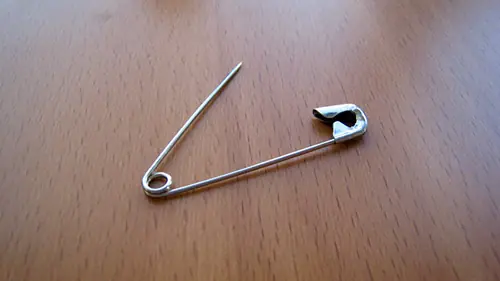
What Is the Purpose of the Small Round Hole in a Safety Pin?