Garlic has long been celebrated as a powerful natural remedy. From boosting immunity to supporting heart health, this humble kitchen staple is often considered a superfood. However, despite its many benefits, garlic is not suitable for everyone. For certain individuals, consuming garlic—especially in large amounts—may pose health risks or worsen existing medical conditions.
The image of a hospital setting alongside the headline serves as a reminder that dietary choices can have serious consequences for some people. While garlic may be safe and even beneficial for most, there are specific groups who should approach it with caution or avoid it entirely.
1. People with Bleeding Disorders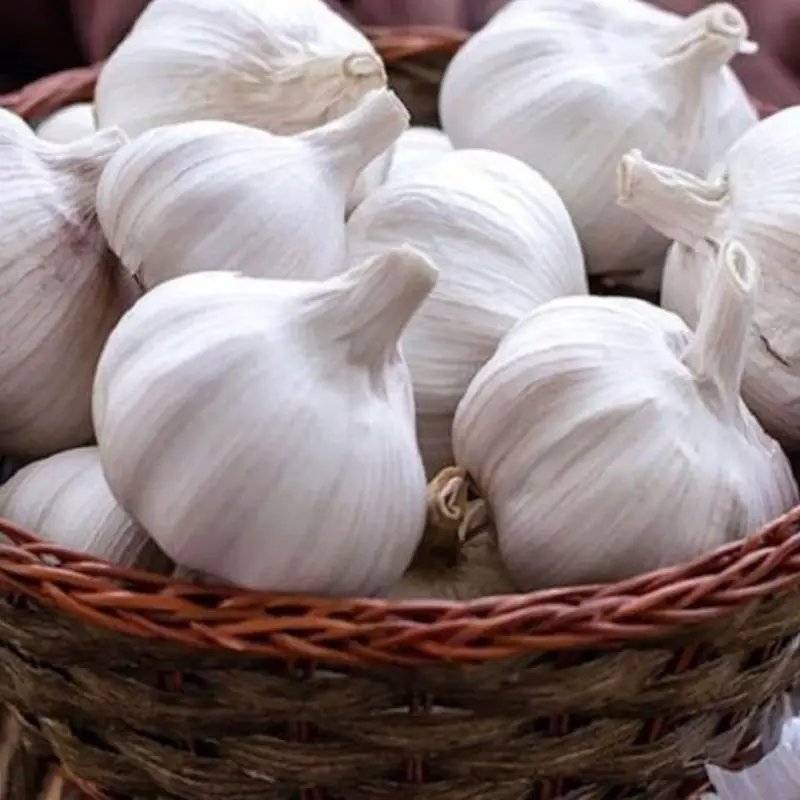
Garlic is known for its blood-thinning properties. Compounds such as allicin can help reduce blood clot formation, which may lower the risk of heart disease and stroke. However, for individuals with bleeding disorders—such as hemophilia—or those who bruise easily, this effect can be dangerous.
Garlic may increase the risk of prolonged bleeding, especially when consumed in high doses or as a supplement. People who are already taking anticoagulant medications, such as warfarin or aspirin, should be particularly careful. Combining garlic with blood-thinning drugs may amplify the effect and raise the risk of internal bleeding.
If you have a bleeding condition or are scheduled for surgery, it’s important to consult a healthcare professional before increasing garlic intake.
2. Individuals Preparing for Surgery
Because of its anticoagulant properties, garlic can interfere with blood clotting during and after surgery. Many medical professionals recommend avoiding garlic supplements—and sometimes even large amounts of raw garlic—for at least one to two weeks before a surgical procedure.
Excessive bleeding during surgery can lead to complications and delayed recovery. Even though garlic is natural, it still has active biological effects that may interact with anesthesia and other medications used in medical procedures.
Patients planning surgery should always inform their doctors about any supplements or herbal products they are taking, including garlic.
3. People with Sensitive Stomachs or Digestive Issues
Garlic can irritate the digestive system in some individuals. Those who suffer from acid reflux, gastritis, stomach ulcers, or irritable bowel syndrome (IBS) may find that garlic worsens their symptoms.
Raw garlic, in particular, is highly potent and may trigger heartburn, bloating, nausea, or abdominal discomfort. For people with sensitive stomachs, even small amounts can cause irritation.
Cooking garlic may reduce its harshness, but it does not eliminate all potential digestive side effects. If you frequently experience digestive distress after eating garlic, it may be best to reduce or avoid it.
4. Individuals with Low Blood Pressure
Garlic has been shown to help lower blood pressure, which can be beneficial for people with hypertension. However, for those who already have low blood pressure (hypotension), garlic may cause levels to drop too far.
Symptoms of low blood pressure include dizziness, fainting, blurred vision, and fatigue. Consuming large amounts of garlic or garlic supplements could potentially intensify these symptoms.
People taking medication for high blood pressure should also monitor their levels carefully when increasing garlic intake, as the combined effects could lead to an excessive drop in blood pressure.
Moderation Is Key
For most healthy individuals, moderate garlic consumption as part of a balanced diet is safe and beneficial. It provides antioxidants, supports immune function, and may contribute to improved cardiovascular health. However, the idea that “natural” automatically means “safe for everyone” is misleading.
Garlic supplements, in particular, contain concentrated doses that may produce stronger effects than culinary use. Anyone considering taking garlic capsules or extracts should seek medical advice, especially if they have underlying health conditions or take prescription medications.
Final Thoughts
Garlic remains one of the most valued ingredients in kitchens around the world, praised for both flavor and health benefits. Yet, as with many powerful natural substances, it must be consumed wisely.