Sweet potatoes are widely recognized as a nutritious food. They are rich in fiber, antioxidants, potassium, and beta-carotene. They are easy to digest, naturally sweet, and often recommended for weight management and blood sugar stability. Steaming them, in particular, is considered one of the healthiest preparation methods because it preserves nutrients without adding excess fat.
So when a woman who had been eating steamed sweet potatoes every single day received abnormal liver test results, the news felt deeply confusing. She believed she was practicing clean eating. She avoided processed food, limited oil, and rarely consumed sugar. From her perspective, she was supporting her body.
Yet routine blood work revealed elevated liver enzymes — a signal that the liver was experiencing stress.
The surprising part? Doctors ruled out the most common causes. She did not drink alcohol. She tested negative for viral hepatitis. She was not taking medications known to affect liver function.
That left one major variable to examine: her diet.

The Habit That Seemed Harmless
According to her account, steamed sweet potatoes had gradually become a central part of her daily routine. At times they replaced breakfast. On busy evenings, they stood in for dinner. Some days, they were her primary carbohydrate source — occasionally even her main meal.
She reported feeling lighter and less bloated. She interpreted these sensations as signs of improvement. Because sweet potatoes are widely considered healthy, she did not question the long-term pattern.
However, the body does not respond to foods in isolation. It responds to patterns, quantities, and balance.
Her liver enzyme elevation was not caused by sweet potatoes being “toxic.” Instead, it reflected how long-term dietary imbalance can place subtle stress on metabolic systems.
Are Sweet Potatoes Harmful to the Liver?
On their own, no. Sweet potatoes are not harmful to the liver when consumed in moderate portions as part of a balanced diet. In fact, they provide antioxidants and fiber that can support metabolic health.
The issue arises when:
-
One food is eaten in large amounts every day
-
Meals lack protein and healthy fats
-
Carbohydrate intake becomes disproportionately high
-
Individual metabolic sensitivity is overlooked
In this case, the concern was not a single ingredient — it was dietary monotony combined with metabolic overload.
How Overreliance on Sweet Potatoes Can Affect the Liver
1. Excess Carbohydrates and Liver Fat
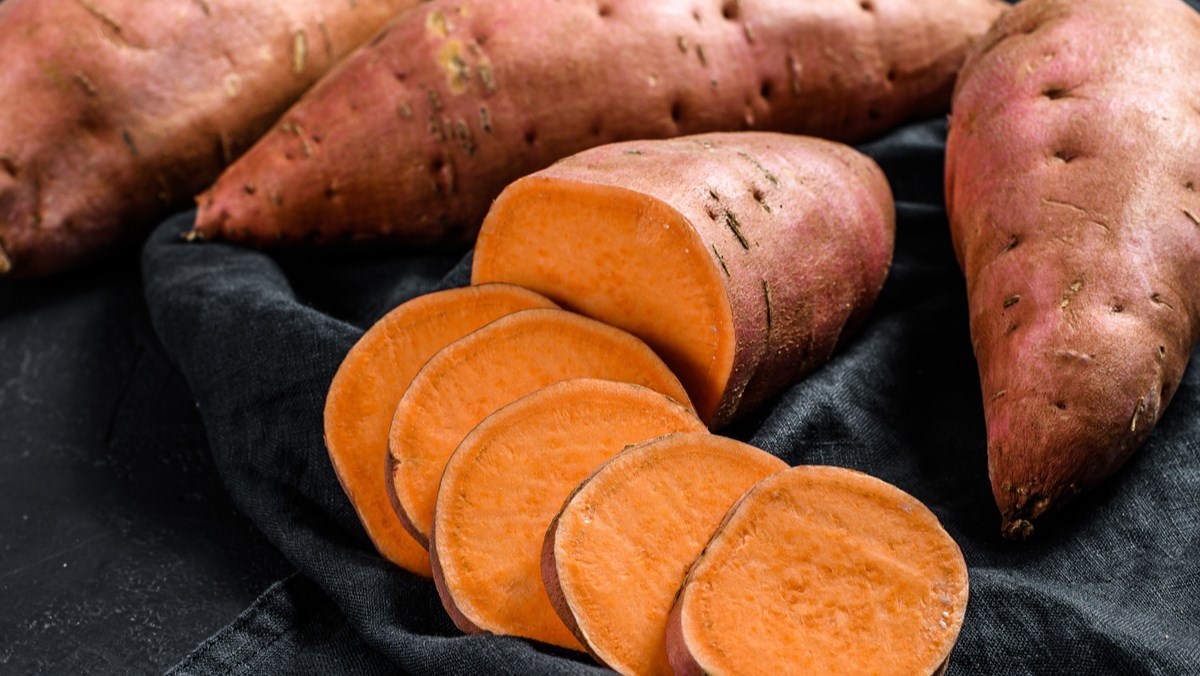
Sweet potatoes are carbohydrate-rich. Even though they are complex carbohydrates, they still break down into glucose.
When carbohydrate intake exceeds the body’s energy needs — especially without sufficient protein or fat — excess glucose may be converted into triglycerides and stored in the liver.
Over time, this process can contribute to non-alcoholic fatty liver changes. Importantly, this can occur even in individuals who do not consume alcohol.
The key factor is total metabolic load, not the perceived “healthiness” of the carbohydrate source.
2. Natural Sugars Still Require Processing
There is a common misconception that natural sugars behave differently from refined sugars in the liver. While whole foods offer fiber and nutrients that slow absorption, the liver ultimately processes all sugars.
Large daily portions of sweet potatoes can:
-
Increase hepatic glucose exposure
-
Stimulate fat production in susceptible individuals
-
Exacerbate insulin resistance if present
These changes often develop gradually, without noticeable symptoms at first.
3. Insufficient Protein and Essential Fats
The liver relies on adequate amino acids and fatty acids to:
-
Repair cellular tissue
-
Produce enzymes
-
Regulate detoxification pathways
-
Maintain metabolic flexibility
When meals are heavily centered on a starchy food and lack sufficient protein or healthy fats, the liver may struggle to maintain optimal function over time.
A repetitive, carbohydrate-dominant diet can unintentionally limit micronutrient diversity and structural nutrients necessary for cellular repair.
4. High Beta-Carotene Intake and Metabolic Demand
Sweet potatoes are exceptionally rich in beta-carotene, which the liver converts into vitamin A. From plant sources, beta-carotene is generally considered safe, as conversion is regulated.
However, very high and prolonged intake increases metabolic workload. For individuals with pre-existing liver sensitivity, this added demand may contribute to subtle strain.
This does not imply toxicity. It simply underscores that nutritional excess — even from plant-based foods — can require physiological adaptation.

Why Reactions Differ Between Individuals
Not everyone who eats sweet potatoes daily will experience liver enzyme changes. Several factors influence susceptibility:
-
Existing fatty liver or metabolic syndrome
-
Sedentary lifestyle
-
Rapid weight loss
-
Hormonal fluctuations
-
Genetic variations in carbohydrate metabolism
Nutrition is highly individual. A pattern that benefits one person may not serve another when followed rigidly.
The Dietary Adjustment
After reviewing her habits, healthcare providers recommended simple changes:
-
Reduce sweet potato intake to moderate portions
-
Avoid relying on it as a daily main meal
-
Add lean protein such as eggs, legumes, fish, or tofu
-
Incorporate healthy fats like olive oil, nuts, and seeds
-
Rotate carbohydrate sources (brown rice, oats, quinoa, whole grains)
-
Increase vegetable diversity
Within several weeks of restoring balance, follow-up blood tests showed improvement in liver enzyme levels.
The solution was not elimination — it was moderation and variety.
The Broader Lesson
This story is not about fear. It is about nuance.
Sweet potatoes remain a nutritious food. Steaming remains a healthy cooking method. But health does not come from repeating one “perfect” choice indefinitely.
The liver is adaptable, but it thrives on balance — adequate protein, diverse micronutrients, appropriate energy intake, and metabolic flexibility.
Clean eating is not defined by restriction or repetition. It is defined by sustainability and equilibrium.
Final Thoughts
Eating steamed sweet potatoes every day may appear to embody healthy living. Yet even wholesome foods can contribute to imbalance when consumed in excess or without dietary variety.
If unusual laboratory results appear, they are not always a sign of failure — sometimes they are feedback. Adjusting portion size, diversifying meals, and restoring macronutrient balance often brings the body back toward stability.
Health is rarely about a single food. It is about patterns over time.
And sometimes, the healthiest decision is not adding something new — but broadening the plate.
This article is for informational purposes only and does not replace professional medical advice. Always consult a qualified healthcare provider regarding laboratory results or dietary changes.