4 Early Warning Signs of Breast Cancer Women Should Never Ignore
Breast cancer is one of the most common cancers affecting women worldwide. Early detection dramatically improves treatment outcomes, yet many women miss subtle signs that something may be wrong. While regular screening like mammograms is vital, being aware of your own body and recognizing changes early can make a significant difference in diagnosis and survival. Here are four early warning signs experts agree every woman should know.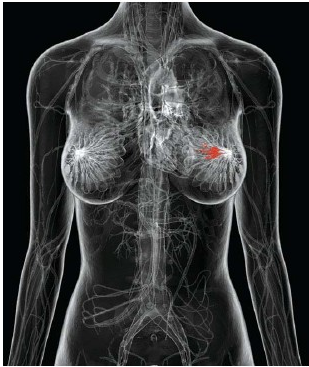
1. A New Lump or Thickening in the Breast or Underarm
The most well-known warning sign of breast cancer is a lump or firm area in the breast or underarm that feels different from the surrounding tissue. These lumps often appear as firm, painless masses with irregular edges, although some can be soft or tender. Not every lump is cancer—many are benign cysts or normal tissue—but any new, persistent lump should be checked by a healthcare provider promptly. Even if it isn’t painful, its presence warrants further medical evaluation.
Why it matters:
Cancerous lumps often don’t go away on their own or vary with your menstrual cycle. Ignoring a lump because it “doesn’t hurt” can lead to a delayed diagnosis. Early consultation allows your doctor to recommend imaging tests such as ultrasound or mammography to determine the cause.
2. Noticeable Changes in Breast Size or Shape
A sudden or gradual change in the size or shape of one breast may indicate underlying tissue changes. This might be subtle — such as mild swelling — or more obvious asymmetry between breasts. Changes can also include one breast appearing larger or more prominent without explanation.
Other structural changes can include indentations or flattening in part of the breast, sometimes visible even without feeling a lump. Because these changes might occur without pain or discomfort, they can be overlooked. Pay attention to how your breasts normally look and feel; noticing changes early can lead to earlier diagnosis.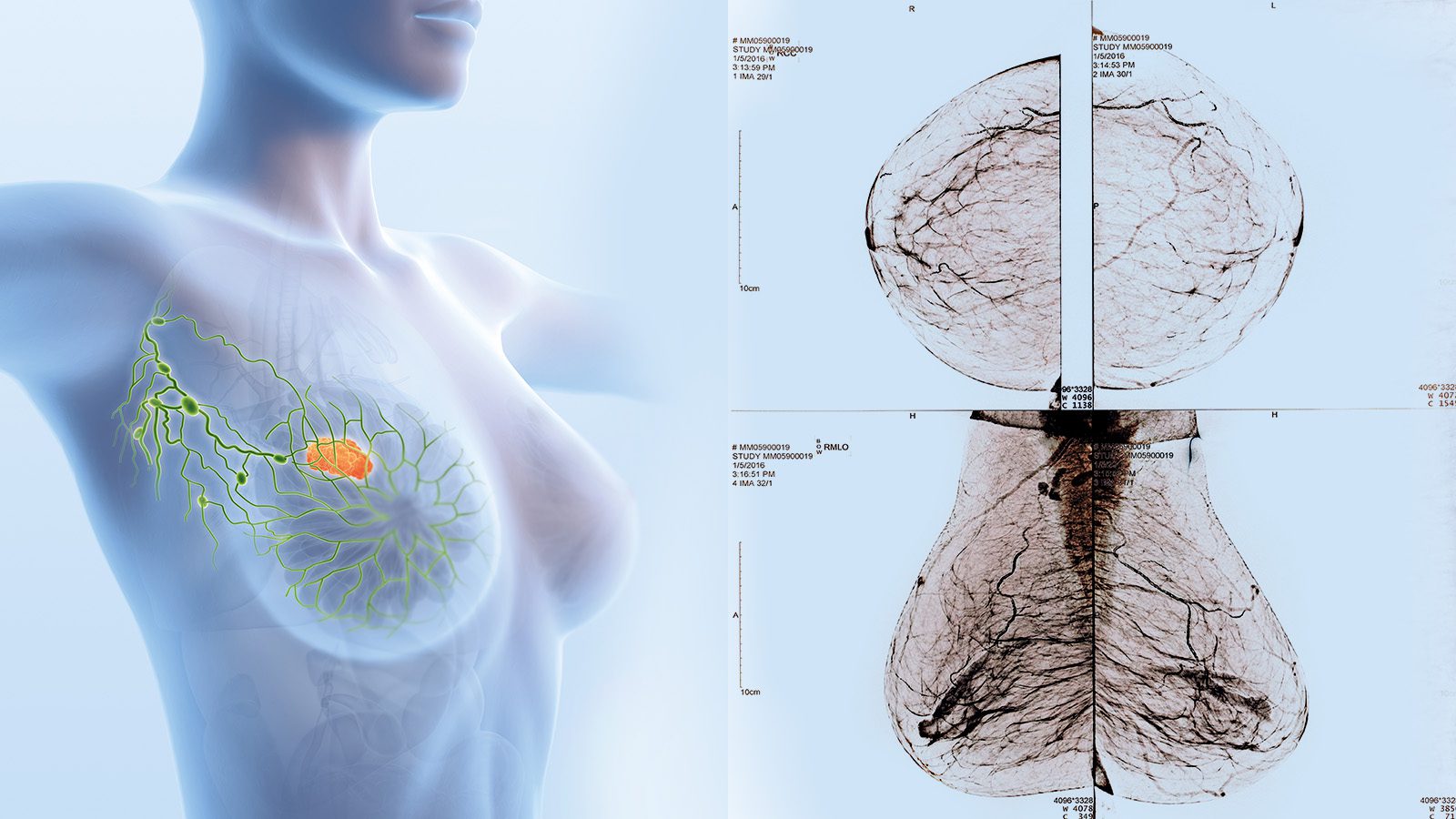
3. Skin Changes on the Breast
The skin on and around the breast can reveal important clues. Breast cancer can cause dimpling, puckering, redness, or thickening of the skin. In some cases, the skin may resemble the texture of an orange peel — medically called peau d’orange — and may feel tighter or firmer than usual. Other changes include scaling or crustiness near the nipple or areola, redness that doesn’t go away, or persistent irritation that looks like dermatitis but doesn’t respond to standard treatment.
These skin changes occur because tumors can pull on breast tissue or obstruct lymphatic drainage. Sometimes these alterations are more pronounced in forms like inflammatory breast cancer, which may show fewer lumps and more widespread swelling and redness.
4. Nipple Changes or Unusual Discharge
Nipple abnormalities are another important warning sign. These changes can include a nipple that becomes inverted or pulled inward, changes in direction, or any alteration that looks different from your normal anatomy. Unexplained discharge from the nipple — especially bloody or clear fluid without squeezing — should always be evaluated.
While nipple discharge can result from benign conditions like hormonal fluctuations, its presence without lactation or other clear causes deserves medical review.

Why Early Detection Matters
Breast cancer often doesn’t cause pain in its earliest stages. Many women discover symptoms during routine activities like showering, applying lotion, or dressing. Because early signs can be subtle or mistaken for normal variations, knowing your own body and acting on changes is crucial.
Most importantly, early diagnosis gives you access to a wider range of treatment options and significantly better outcomes. For example, when breast cancer is caught at Stage I, the 5-year survival rate is much higher than in later stages. Women aged 40 and older are encouraged to undergo regular clinical breast exams and mammograms as recommended by health professionals, but these should complement, not replace, self-awareness.
Remember, noticing one of these signs does not automatically mean you have breast cancer. Many changes are due to benign causes. However, prompt consultation with a healthcare professional gives you the best chance for early diagnosis and peace of mind.