For centuries, herbal traditions across Europe and Asia have turned to one resilient plant for emotional balance and cardiovascular support: Common Motherwort, scientifically known as Leonurus cardiaca. Its botanical name offers a clue to its historical use—cardiaca referring to the heart.
Often overlooked in modern wellness conversations, motherwort has long been valued as a calming herb for both emotional turbulence and physical tension. Traditionally associated with maternal care and nervous system support, it earned a reputation as a plant that comforts during periods of stress, hormonal shifts, and emotional overwhelm.
While not a replacement for medical treatment, motherwort remains a compelling example of how botanical compounds may gently support the body’s regulatory systems.
Botanical Profile
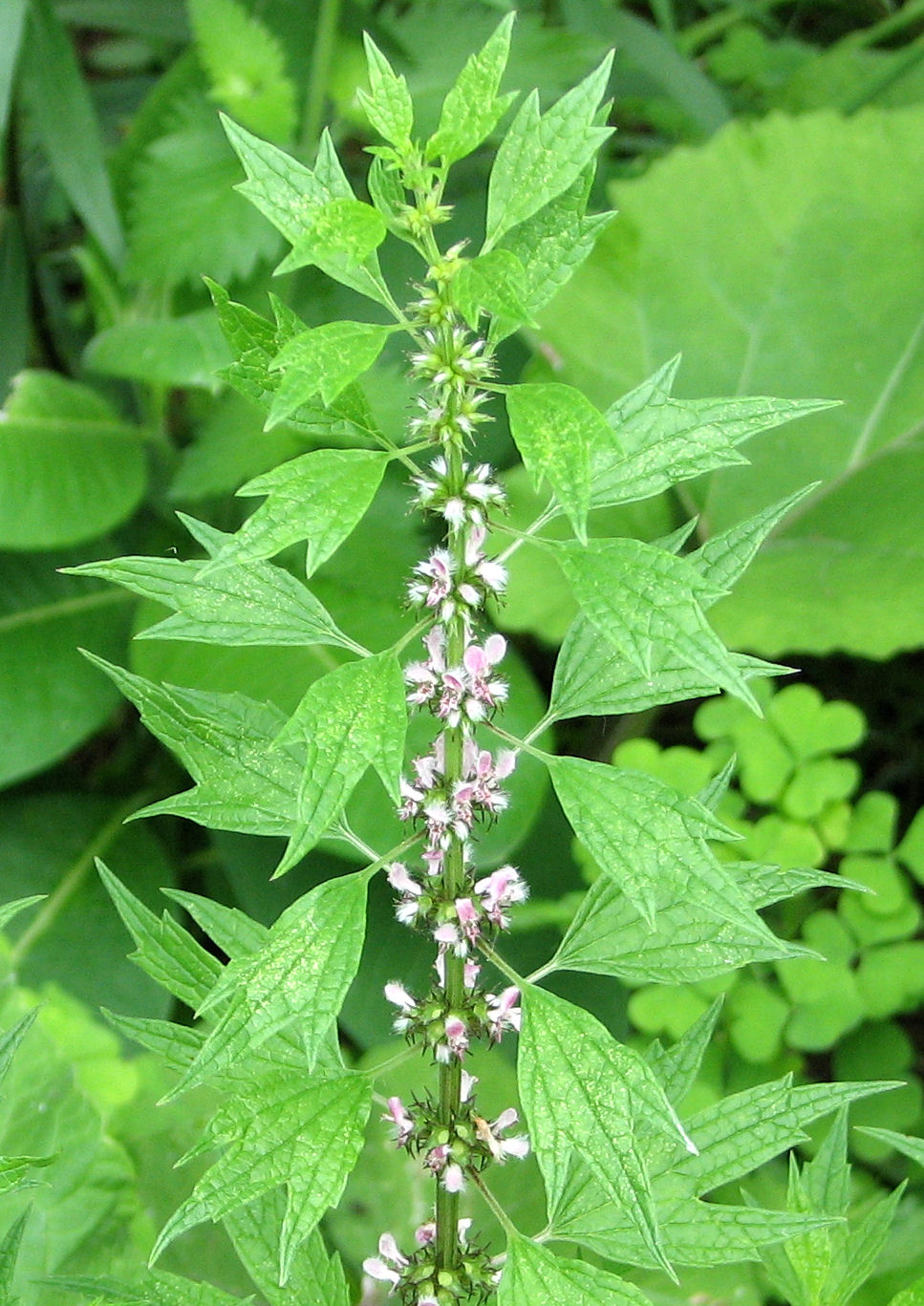
Common Motherwort is a hardy perennial plant belonging to the mint family (Lamiaceae). It grows upright, reaching heights of 2–5 feet, with square stems and serrated leaves. Its small pink to purple flowers cluster along the stem, typically blooming in mid to late summer.
Native to parts of Europe and Central Asia, the plant has naturalized widely in North America and other temperate regions.
The aerial parts—leaves, stems, and flowers—are typically harvested during flowering for medicinal preparations.
A Historical Herb for Emotional Calm
Motherwort has been used traditionally as a nervine herb, meaning it supports the nervous system. In herbal medicine, nervines are classified into different categories; motherwort is often described as a relaxing nervine.
Historically, it was used to help with:
-
Nervous tension
-
Restlessness
-
Emotional stress
-
Mild anxiety
-
Irritability
The herb was frequently recommended during times of grief or emotional shock. Herbalists believed it could “strengthen the heart” not only physically but emotionally as well.
Modern research suggests that certain alkaloids and flavonoids in motherwort may interact with the nervous system, promoting a calming effect without heavy sedation.
Cardiovascular Support
The species name cardiaca reflects its long-standing association with heart health.
Traditional uses include support for:
-
Occasional heart palpitations related to stress
-
Mild tension-induced increases in heart rate
-
Circulatory balance
Motherwort is believed to have mild vasodilatory properties, meaning it may help relax blood vessels and support healthy blood flow. It is sometimes described as gently supporting cardiac rhythm during emotional strain.
Importantly, this does not mean it treats serious cardiac conditions. Any persistent heart symptoms require professional medical evaluation.
Support During Hormonal Transitions
Motherwort has also been associated with women’s health, particularly during menstrual irregularities and transitional phases such as perimenopause.
Traditionally, it was used to:
-
Ease menstrual discomfort
-
Support regular cycles
-
Reduce tension associated with hormonal shifts
Its calming properties may indirectly help regulate stress-related hormonal fluctuations. Some herbalists consider it especially useful when emotional symptoms accompany physical changes.
Mild Antispasmodic Properties
Motherwort contains compounds that may help relax smooth muscle tissue. This mild antispasmodic action has contributed to its traditional use in:
-
Menstrual cramps
-
Digestive tension
-
Stress-induced muscle tightness
By reducing physical tension, it may enhance overall comfort during periods of heightened stress.
Antioxidant and Anti-Inflammatory Potential
Like many medicinal plants, motherwort contains bioactive compounds including flavonoids and phenolic acids.
Preliminary research suggests potential:
-
Antioxidant activity
-
Anti-inflammatory effects
-
Protective cellular support
While human clinical research remains limited, these properties align with its historical role as a restorative herb.
How Motherwort Is Commonly Used
Motherwort is available in several preparations:
Herbal Tea
Dried aerial parts can be steeped in hot water for 10–15 minutes. The taste is notably bitter, which is characteristic of many medicinal herbs.
Tinctures
Alcohol-based extracts are often preferred because they concentrate active compounds. Tinctures are typically taken in small measured doses.
Capsules
Standardized capsules provide convenience and controlled intake.
Because of its bitterness, many people prefer tinctures over teas.
Safety and Precautions
Although generally considered safe when used appropriately, motherwort is not suitable for everyone.
Important considerations include:
-
Avoid use during pregnancy, as it may stimulate uterine contractions
-
Consult a healthcare professional if taking heart medications
-
Individuals with low blood pressure should use caution
-
Do not use as a substitute for medical treatment of serious conditions
As with any herbal remedy, moderation and professional guidance are essential.

Modern Perspective
In today’s high-stress environment, interest in adaptogenic and nervine herbs has grown significantly. While motherwort is not technically classified as an adaptogen, its calming and regulatory properties align with the broader goal of stress resilience.
Its value may lie less in dramatic effects and more in gentle support. Unlike strong sedatives, it works subtly, encouraging the body toward balance rather than forcing change.
This reflects a key principle of herbal medicine: support the system, don’t override it.
Final Thoughts
Common Motherwort stands as a traditional herb with enduring relevance. Associated with emotional comfort, cardiovascular balance, and hormonal support, it has earned a respected place in herbal traditions across cultures.
Although scientific research continues to evolve, centuries of use suggest that motherwort may serve as a gentle ally for individuals navigating stress, emotional tension, and transitional phases of life.
As with all natural remedies, its role is complementary—not curative. Used thoughtfully and responsibly, it represents one of nature’s quiet offerings for heart and mind support.
Sometimes, comfort does not arrive loudly. It grows quietly in the margins—like a hardy purple-flowered plant that has been there all along.
![Amazon.com: EidolonGreen [China Medicinal Herb] Motherwort ...](https://m.media-amazon.com/images/I/61Oe0GLj0kS._AC_UF894%2C1000_QL80_.jpg)