The house we inherited came with old arguments and a new beginning
The house we inherited came with old arguments and a new beginning
Story 20/02/2026 21:54
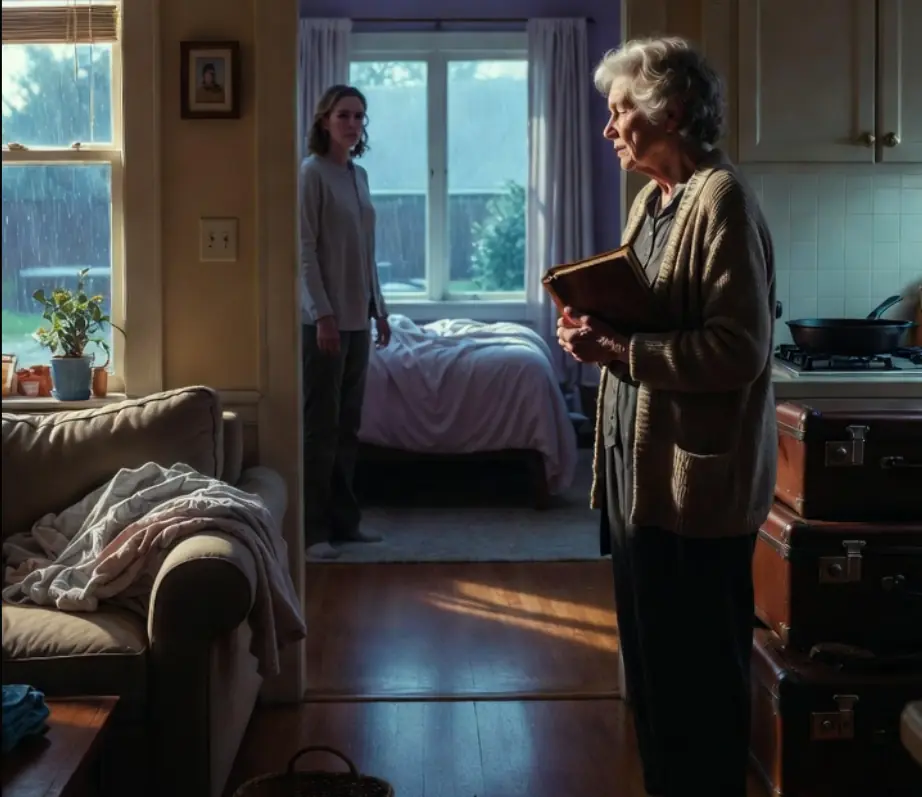
The transition began on a rainy Saturday in April. When my mother-in-law, Evelyn, moved into our guest suite, she arrived with six vintage hardshell suitcases, a collection of cast-iron skillets that weighed as much as a small car, and a set of house rules that hadn't been updated since 1964.
My husband, Tom, and I had prepared for this. We had spent weeks clearing out the "junk room," painting it a soft lavender, and installing extra grab bars in the bathroom. We wanted her to feel welcome. What we hadn't prepared for was the sudden shift in our household's atmospheric pressure.
In our home, we lived by the "grace and chaos" method. Our kids, ten-year-old Ben and seven-year-old Lily, were used to a certain level of modern freedom. Dinner was often an informal affair in front of a Disney movie, and "tidying up" was a suggestion rather than a mandate. We were a family of iPads, late-morning pajamas, and casual boundaries.
Evelyn, however, was a graduate of the school of "structure and starch."
The first week was a series of gentle but firm collisions. I would walk into the kitchen to find Evelyn reorganizing the dishwasher because my method was "mathematically inefficient." I’d catch her staring at Ben’s tablet with a look of profound suspicion, as if the screen were a portal to a different, less wholesome dimension.
"In my house," she would say, her voice as polite as a Sunday morning hymn, "the children didn't speak until the adults had finished their coffee. And we certainly didn't wear hats at the table, Tom."
Tom would give me a look that said just breathe, but the friction was growing. The kids were confused. Lily asked why she suddenly had to make her bed with "hospital corners," and Ben was distraught because Grandma thought his favorite adventure game was "far too loud for a peaceful afternoon."
The privacy I had cherished as the queen of my castle was evaporating. Every time I tried to discipline the kids, I could feel Evelyn’s silent observation from the armchair. Every time Tom and I discussed our finances, she would offer "frugality tips" from the Great Depression era. It felt like we were being audited by a sweet, lavender-scented ghost.
The breaking point arrived on a Friday evening. The kids were whining about chores, the Wi-Fi was acting up, and I had just burnt a batch of lasagna while trying to explain to Evelyn for the fifth time how to use the "smart" thermostat.
"It’s just a dial, Evelyn! You just touch the screen!" I snapped, my voice higher than I intended.
The room went silent. Evelyn looked at her hands, her shoulders smaller than I had ever noticed. The kids froze. The tension that had been building for three weeks finally hung in the air like a heavy curtain.
"I think," Evelyn said quietly, "that I am simply a person out of time."
She retreated to her room, and the guilt hit me like a physical weight. That night, the house felt cold, regardless of what the smart thermostat said.
Around 9:00 PM, I saw a light flickering in the guest suite. I knocked softly and entered. Evelyn was sitting on the edge of her bed, holding an old, tattered leather-bound journal and a grainy black-and-white photograph.
"I'm sorry for snapping," I whispered, sitting on the armchair near her.
Evelyn didn't look up at first. She traced the edge of the photograph. "I found this while I was unpacking the last suitcase. This was my mother."
I looked at the photo. It showed a young woman standing in front of a small, dusty farmhouse, her face etched with a weariness that looked far beyond her years.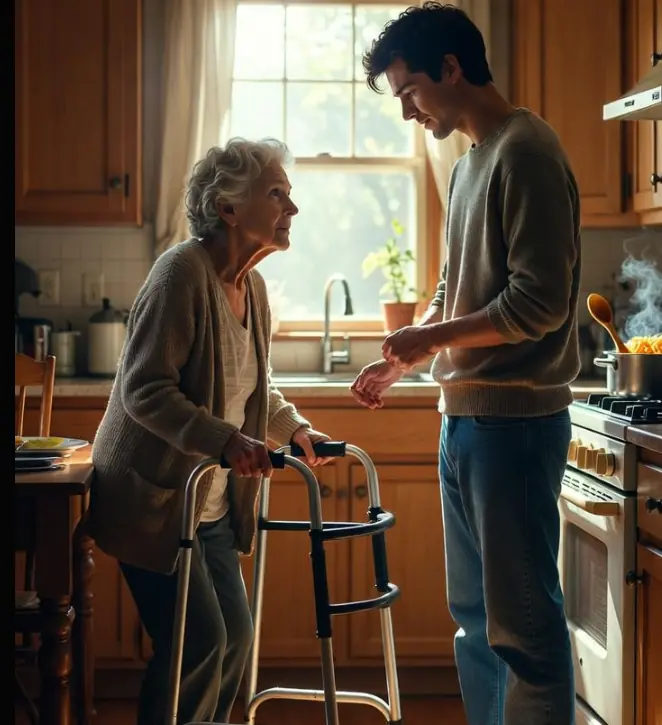
"When I was Lily’s age," Evelyn began, her voice steady but fragile, "we lost our farm. My mother had to move us into a single room in the city. We had nothing. No privacy, no space, and certainly no 'smart' anything. My mother kept us sane by being strict. She insisted on the beds being made and the hats being off because those were the only things we could control. If the house was orderly, she felt the world couldn't swallow us whole."
She looked at me, and I saw a vulnerability that her starched collars had always hidden. "I'm not trying to take over your home, Diane. I'm just... I'm terrified of the chaos. To me, a messy room or a loud television feels like the farm failing all over again. I see your technology and your busy lives, and I feel like I'm drowning in a language I'll never learn. I push my rules on you because I’m trying to find a solid place to stand."
The realization hit me with the force of a tidal wave. I had seen her house rules as an invasion; she saw them as a life jacket. I had seen her suspicion of technology as stubbornness; it was actually a profound fear of being left behind.
"Evelyn," I said, taking her hand. Her skin felt like parchment, thin and precious. "You have a solid place to stand. It's right here. With us."
The next morning, the "Climate of the Coast" changed.
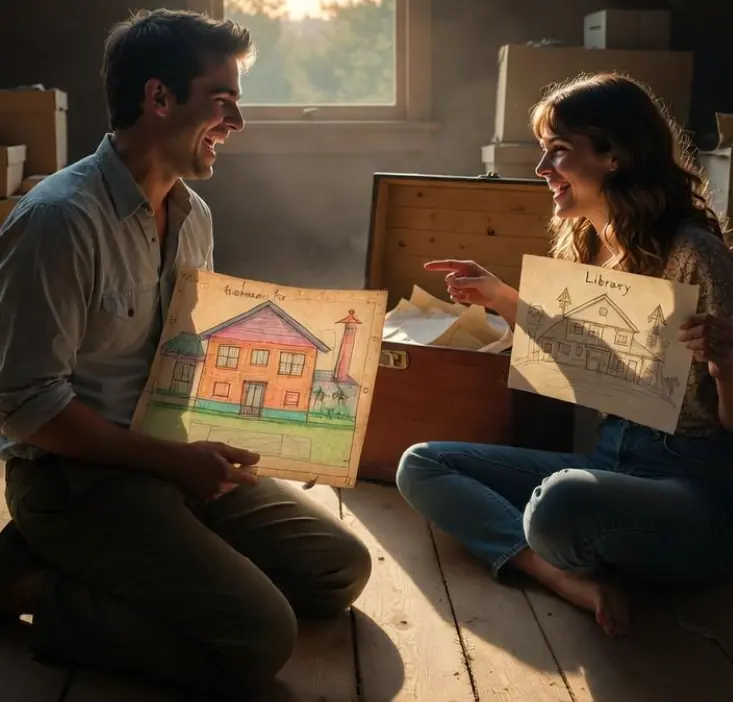
I sat the kids down and explained, in words they could understand, why Grandma liked things a certain way. I told them about the farmhouse and the single room in the city. I saw Ben’s eyes go wide, and Lily immediately went to find her best drawing to give to Grandma.
But the real change came from us.
We started a new Saturday tradition called "The Analog Hour." For sixty minutes, all tablets were put in a basket. We sat in the living room, and Evelyn taught the kids how to play gin rummy and how to properly mend a sock. Ben, in turn, became Grandma’s "Tech Consultant." He sat with her for an hour, patiently showing her how to look up old recipes on the iPad.
"Look, Grandma! You just swipe!" he’d say.
"It’s like magic, Ben. Pure magic," she’d reply, her eyes twinkling.
The cast-iron skillets became the centerpiece of our Sunday mornings. Evelyn taught me the secret to a perfect pancake—something my non-stick pans could never achieve. As we stood over the stove together, the steam rising between us, the "mother-in-law" label faded away. She was just Evelyn, a woman with a lifetime of stories and a heart that had been guarded by structure for too long.
We found a middle ground. I learned to appreciate the quiet dignity of a set table, and she learned that a movie night with popcorn on the sofa wasn't a sign of a crumbling civilization—it was a sign of a family that was comfortable with one another.
Evelyn has been with us for six months now. The lavender room is no longer a "guest suite"; it’s Grandma’s room. The suitcases are put away, but the stories she brought with her are now part of our family’s DNA.
I’ve learned that the "gap" between generations isn't nearly as wide as we think. It’s just a distance created by different ways of survival. When you take the time to listen to the why behind the what, the walls turn into bridges.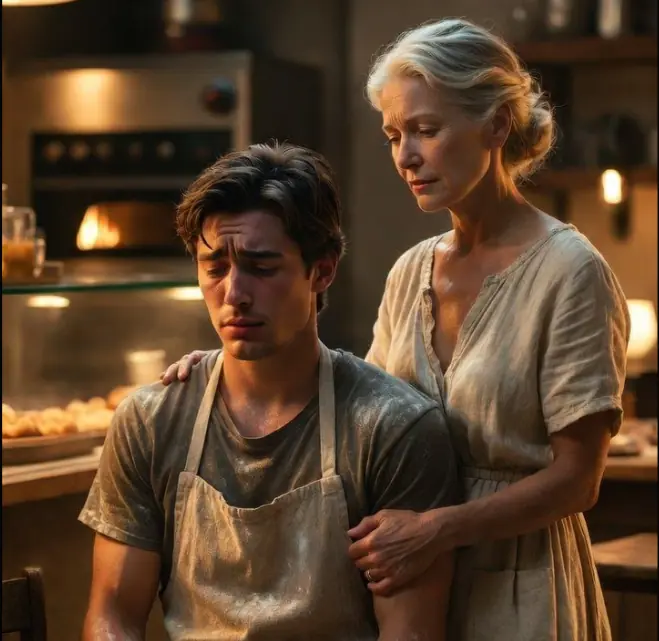
We are the Millers, and our house is a little bit louder, a little bit more structured, and a whole lot fuller. My kids have learned that wisdom doesn't come from a Google search, and I’ve learned that sometimes, the best way to move forward is to let someone from the past show you the way.
Love doesn't require us to have the same rules. It just requires us to share the same heart. And as I watch Evelyn and Lily folding laundry together—with perfect hospital corners—I realize that Grandma didn't just move in. She brought us back to ourselves.
The house we inherited came with old arguments and a new beginning

The blended family vacation that almost ended in disaster
My mother thought my husband wasn’t good enough until he proved her wrong

The day my half-brother called me sister for the first time
My father chose happiness again and I had to learn what that meant
Two stepsisters, one bedroom, and a lesson about sharing more than space
My stepmother wasn’t trying to replace my mom she was trying to love me
The stepfather i kept at a distance became the man who never left my side

He babysitter who almost broke our marriage helped us save it instead

My brother stopped speaking to me over money until we remembered who we were
Our blended family almost didn’t survive the first christmas
The day my son-in-law called me mom changed everything
My daughter blamed me for the divorce until she learned the whole story
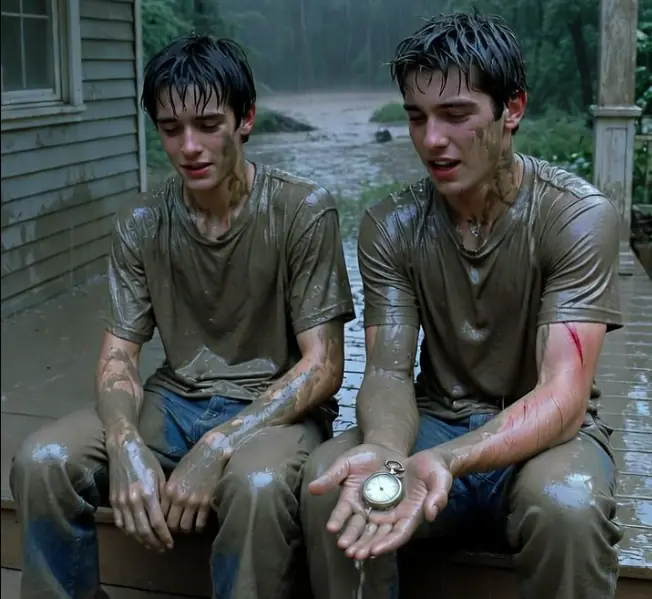
Two stepbrothers, one inheritance, and the lesson we never expected
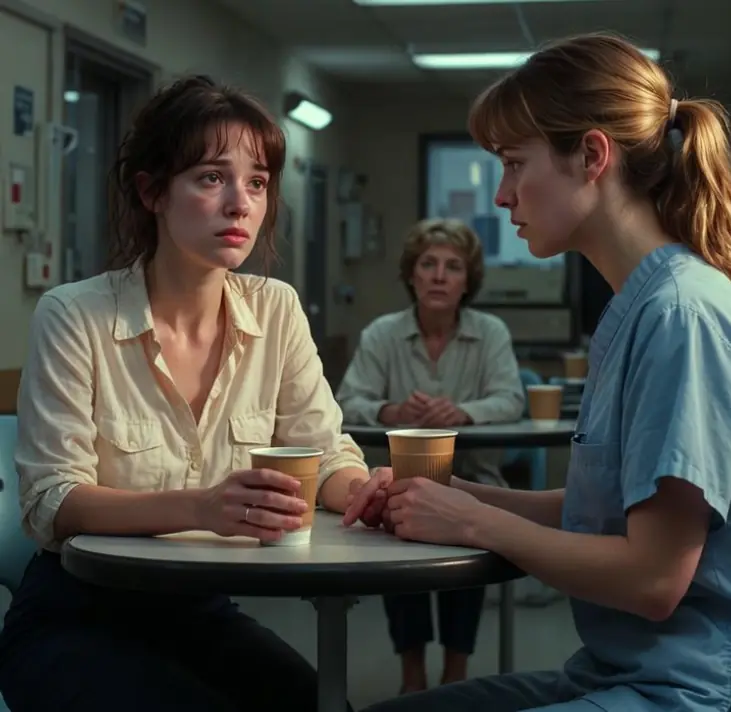
The half-sister i resented became the person who saved our family

Scientists Sh.oc.ked — One Protein May Be the Root of Every Ca.nc.er
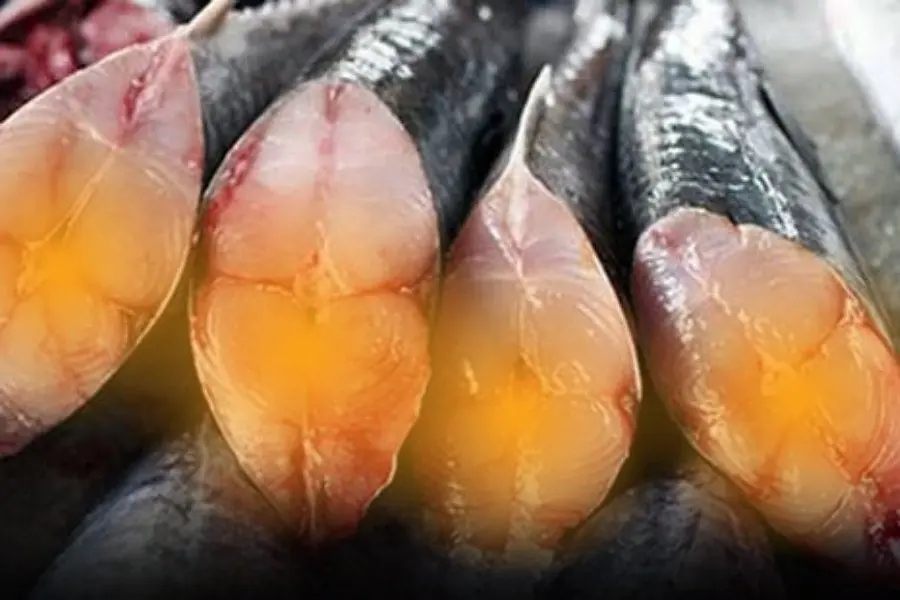
Thought salmon was the DHA king? The real champion is a fish you’ve probably ignored
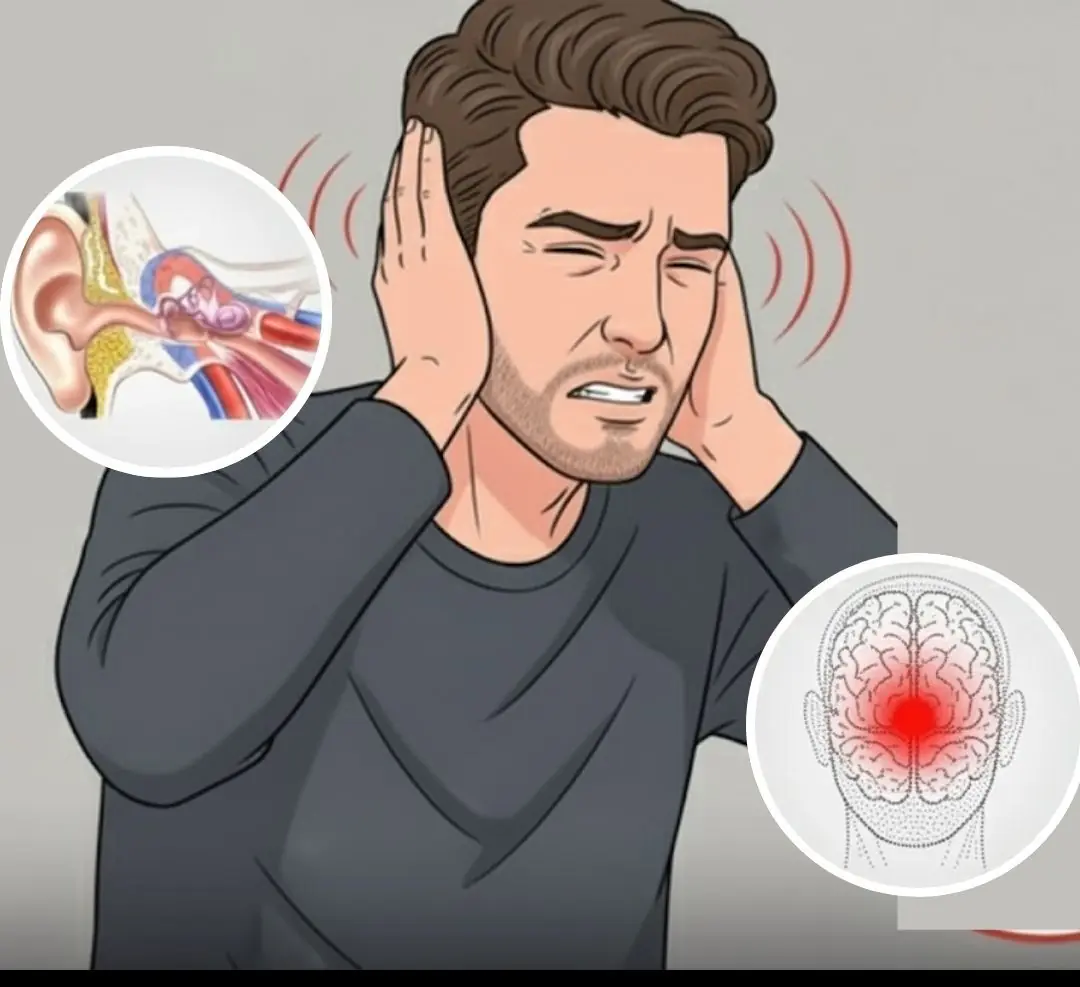
If you often notice ringing in your ears, this might be a sign that you will suffer from ...
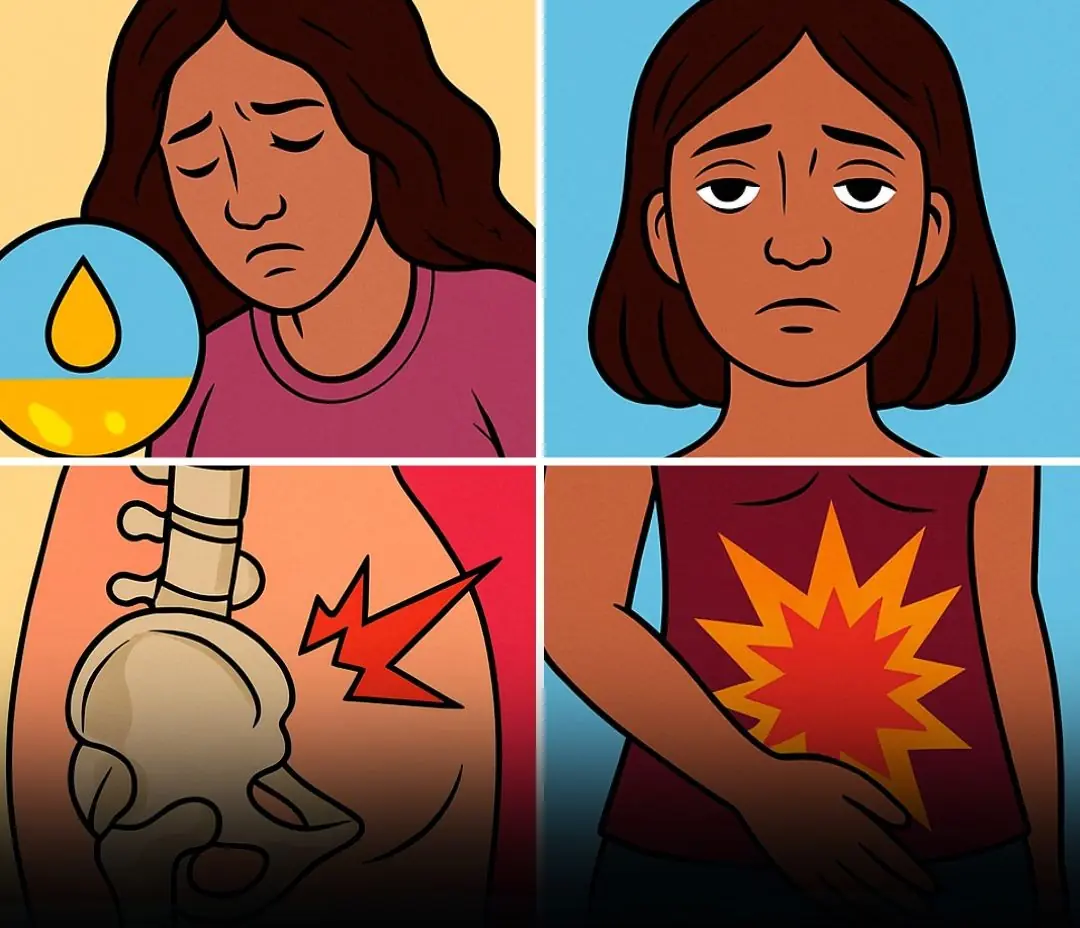
8 Unusual Signs That May Indicate Cervical Cancer – Women Should Know Early

Don’t Ignore These 20 Early Warning Signs That Your Body Could Be Fighting Can:cer
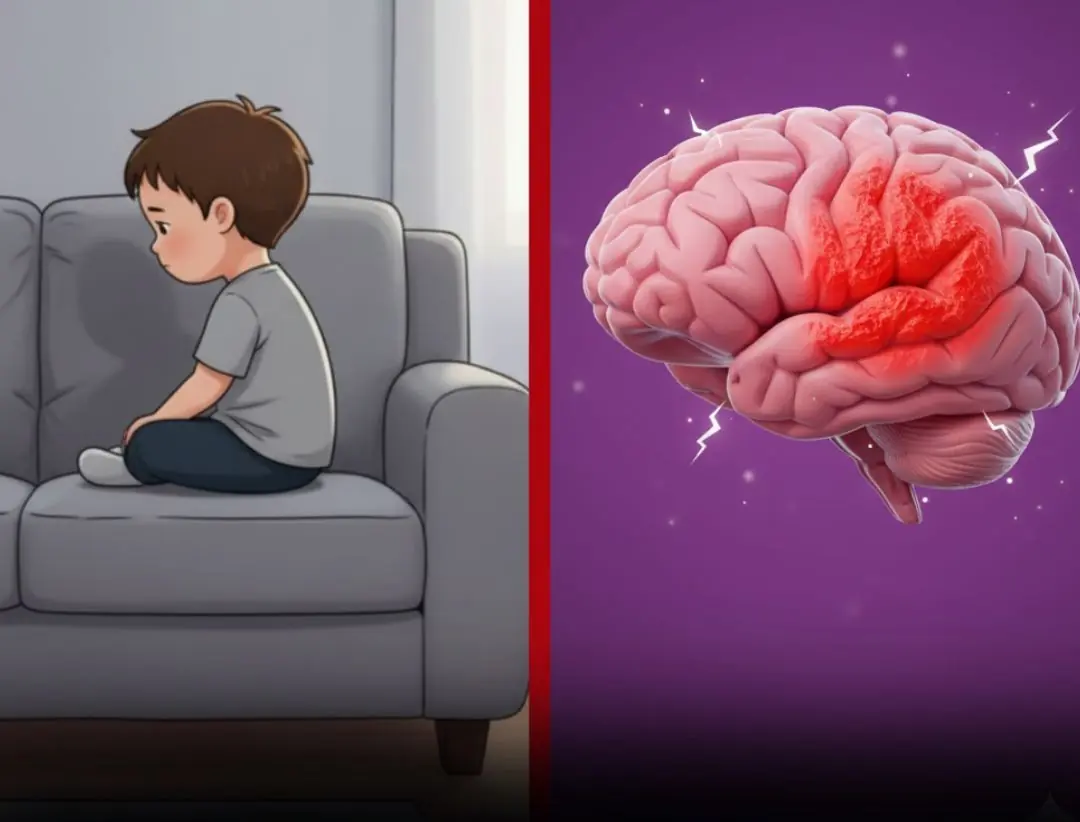
4 signs parents need to understand to save their children
Some fruits, though delicious and seemingly healthy, can become
The house we inherited came with old arguments and a new beginning
The blended family vacation that almost ended in disaster
My mother thought my husband wasn’t good enough until he proved her wrong
The day my half-brother called me sister for the first time
My father chose happiness again and I had to learn what that meant
Two stepsisters, one bedroom, and a lesson about sharing more than space
My stepmother wasn’t trying to replace my mom she was trying to love me
The stepfather i kept at a distance became the man who never left my side