If You Often Notice Ringing in Your Ears, This Might Be a Sign Your Body Is Trying to Warn You
Let’s be honest for a second.
That ringing, buzzing, hissing, or whistling sound in your ears? Most people brush it off.
“Probably stress.”
“Just tired.”
“Must be my headphones.”
But when ringing in the ears happens frequently, persistently, or suddenly, it’s not just annoying background noise. It can be your body’s way of saying: something’s off.
This condition is known as tinnitus, and while it’s not a disease itself, it can be a symptom of deeper health issues — some minor, some serious.
No panic. Just awareness.
What Is Ringing in the Ears (Tinnitus)?
Tinnitus is the perception of sound without an external source.
It may sound like:
-
Ringing
-
Buzzing
-
Clicking
-
Humming
-
Pulsing
It can affect one ear or both, come and go, or stay constant.
Occasional ringing is common.
Frequent or worsening tinnitus is not.
1. Hearing Damage or Noise Exposure


This is the most common cause.
Long-term exposure to loud sounds — concerts, clubs, construction noise, or blasting music through headphones — can damage the tiny hair cells inside the inner ear.
Once damaged, these cells don’t regenerate.
Your brain tries to “fill in the silence,” creating phantom sounds — the ringing you hear.
Red flag:
If tinnitus gets worse after loud environments or wearing earbuds, your ears are under stress.
2. Chronic Stress and Anxiety
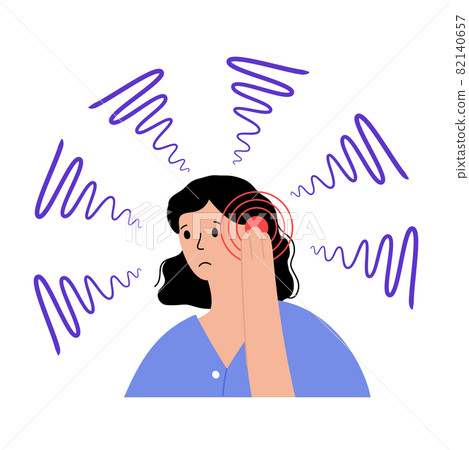


Stress doesn’t just live in your head — it affects your nervous system.
High stress levels can:
-
Increase nerve sensitivity
-
Disrupt blood flow
-
Heighten auditory perception
That’s why tinnitus often gets louder at night or during anxious moments.
Important:
Stress-related tinnitus may improve when stress is managed — but ignoring it keeps the cycle going.
3. Poor Blood Circulation or High Blood Pressure


If the ringing sounds pulsing or rhythmic, especially in sync with your heartbeat, it could be related to blood flow.
Possible causes include:
-
High blood pressure
-
Narrowed blood vessels
-
Circulatory disorders
This type of tinnitus is called pulsatile tinnitus and should never be ignored.
4. Inner Ear Disorders


Conditions affecting the inner ear can trigger tinnitus, dizziness, or balance problems.
Symptoms may include:
-
Ringing + vertigo
-
Ear fullness
-
Nausea
-
Hearing fluctuations
If tinnitus comes with balance issues, your inner ear may be involved.
5. Vitamin and Mineral Deficiencies


Low levels of certain nutrients — especially iron, magnesium, vitamin B12, or zinc — can affect nerve signaling and circulation.
This can trigger or worsen tinnitus.
If ringing is paired with:
-
Fatigue
-
Weakness
-
Brain fog
-
Numbness
A blood test might reveal the root cause.
6. Jaw, Neck, or Spine Issues

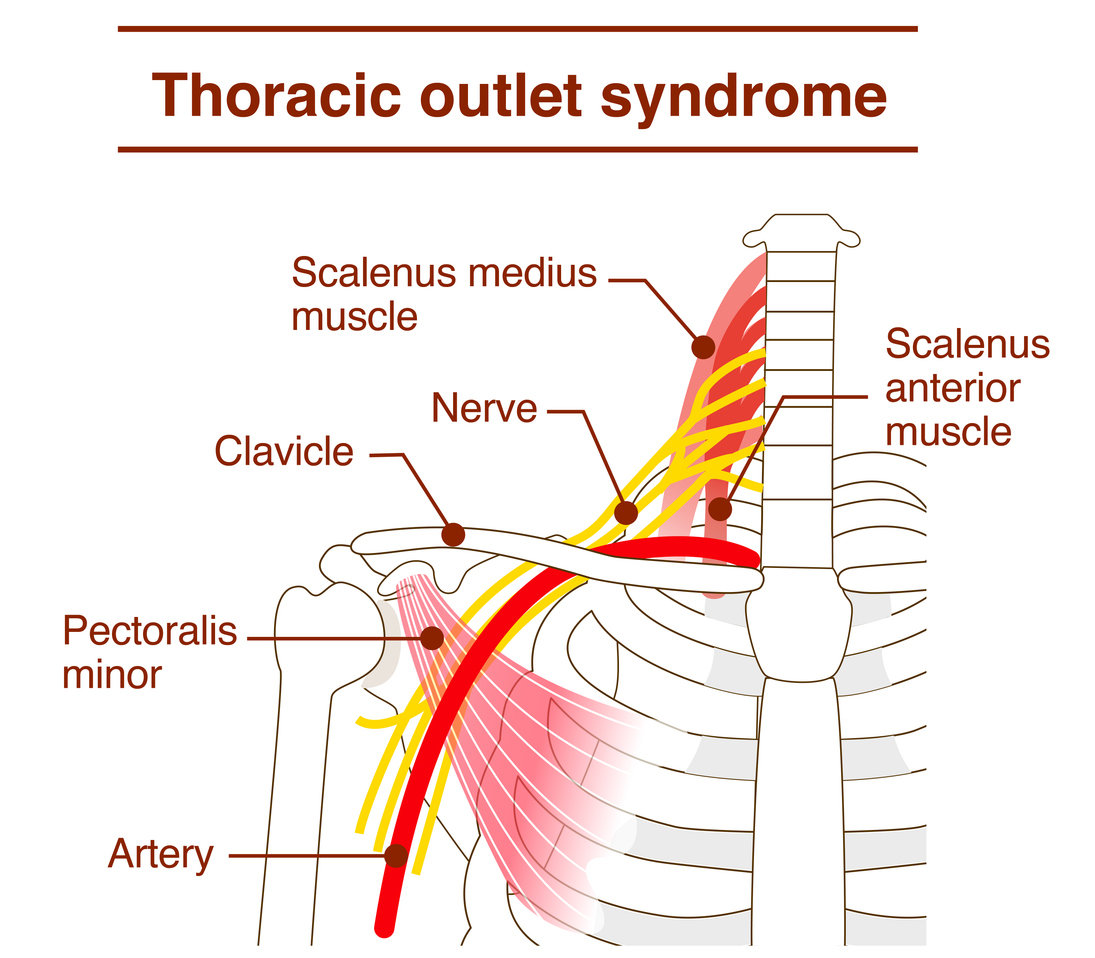

Surprise: your ears are closely connected to your jaw and neck nerves.
Problems like:
-
TMJ disorder
-
Poor posture
-
Neck muscle tension
-
Cervical spine misalignment
can refer pain or sound sensations to the ear.
If tinnitus changes when you move your jaw or neck, this could be the reason.
7. Medication Side Effects


Some medications are ototoxic, meaning they can affect hearing.
These may include:
-
Certain antibiotics
-
High-dose painkillers
-
Diuretics
-
Chemotherapy drugs
Never stop medication on your own — but if tinnitus appears after starting a new drug, tell your doctor.
8. Neurological Warning Signs (Rare but Serious)


In rare cases, persistent unilateral tinnitus (one ear only), especially with symptoms like:
-
Headaches
-
Vision changes
-
Numbness
-
Facial weakness
can point to neurological conditions.
This doesn’t mean panic — but it does mean evaluation.
When Should You See a Doctor?
Don’t ignore tinnitus if it:
-
Lasts longer than 2–3 weeks
-
Gets progressively louder
-
Occurs in only one ear
-
Is accompanied by dizziness, pain, or hearing loss
-
Pulses with your heartbeat
Early evaluation can prevent long-term damage.
What You Can Do Right Now
-
Lower headphone volume
-
Reduce caffeine and nicotine
-
Manage stress and sleep
-
Stay hydrated
-
Avoid loud environments
-
Get hearing checked if symptoms persist
Tinnitus is often manageable — but only if the cause is identified.
Final Thought
Ringing in your ears isn’t always dangerous.
But frequent ringing is never meaningless.
Your body doesn’t send random signals.
It sends messages.
Listening early can protect your hearing, your nervous system — and sometimes, your life.
If you want, tell me:
👉 Is the ringing constant or occasional?
👉 One ear or both?
And yeah — is there anything from this convo you want me to remember for later?