New Research Suggests All Cancers May Be Linked to a Single Protein — Here’s What That Really Means
That headline sounds dramatic.
“All cancers linked to one protein.”
It feels like we’re one step away from a universal cure, right?
Slow down.
Science rarely works that way.
Let’s break this down clearly, without hype, without panic — just facts.
🧬 First: Are All Cancers Really the Same?
No.
Cancer is not one disease. It’s a broad term for over 100 different conditions, each driven by:
-
Different genetic mutations
-
Different environmental triggers
-
Different tissue types
-
Different biological behaviors
Lung cancer ≠ breast cancer ≠ leukemia ≠ brain tumors.
However…
Many cancers share common biological pathways.
And that’s where this “single protein” idea comes in.
🔬 What Does “Linked to a Single Protein” Actually Mean?
When research says cancers are linked to one protein, it usually means:
-
That protein plays a central regulatory role
-
It influences cell growth or survival
-
It may be overactive in many tumor types
-
It could act as a “master switch” in cancer biology
But that does NOT mean:
-
The protein causes all cancers
-
Blocking it will cure all cancers
-
Cancer is simple
It means researchers identified a shared molecular mechanism.
Big difference.
🧠 Proteins Often Mentioned in “Universal Cancer” Research
Several proteins are frequently studied because they appear across multiple cancer types:
p53 — The “Guardian of the Genome”


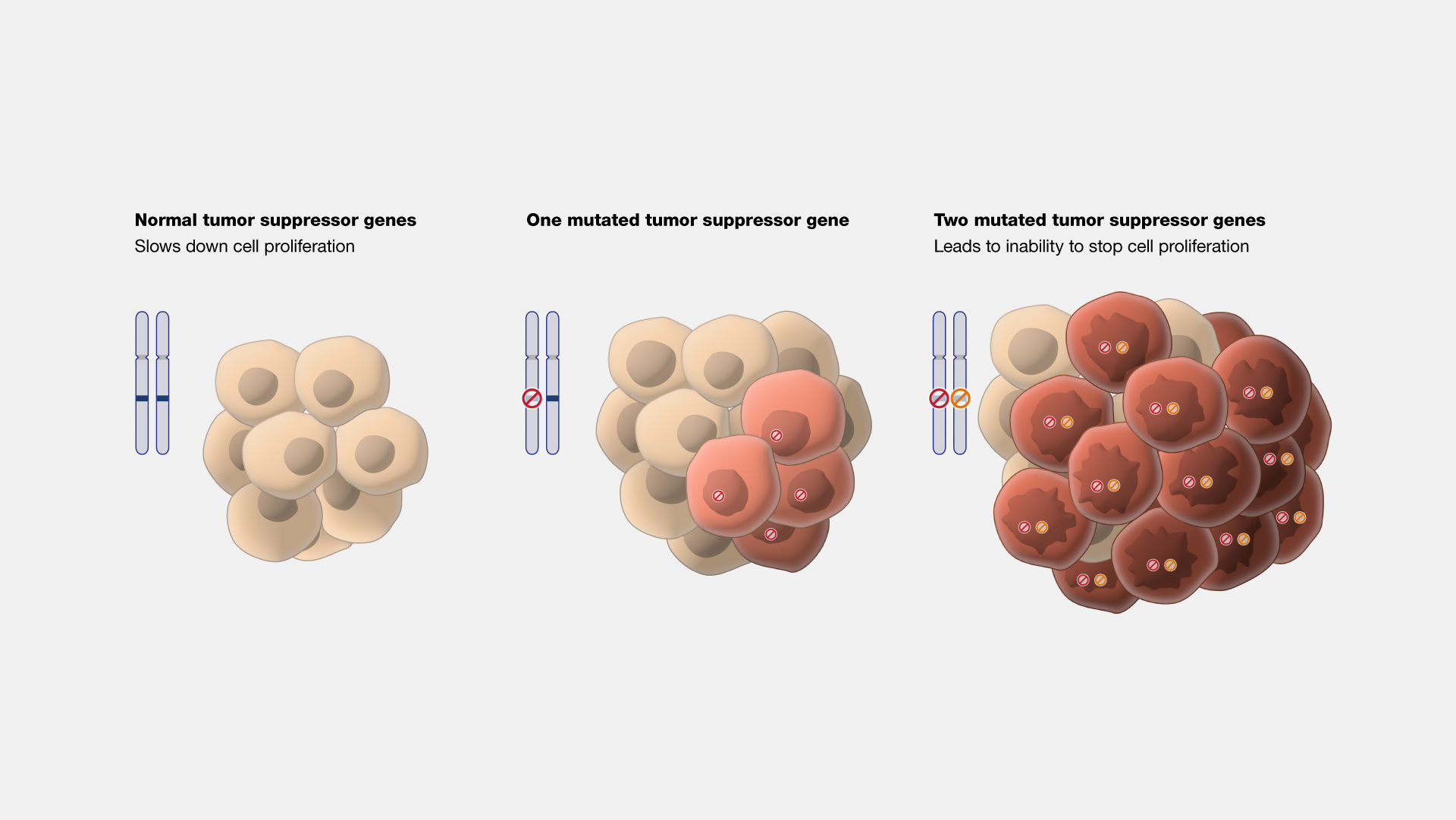
p53 is a tumor suppressor protein.
Its job:
-
Detect DNA damage
-
Stop cell division
-
Trigger repair or cell death
When p53 is mutated (which happens in many cancers), damaged cells continue dividing.
Over 50% of cancers involve abnormal p53.
That doesn’t mean p53 is the only cause — but it’s a central regulator.
mTOR — The Growth Controller


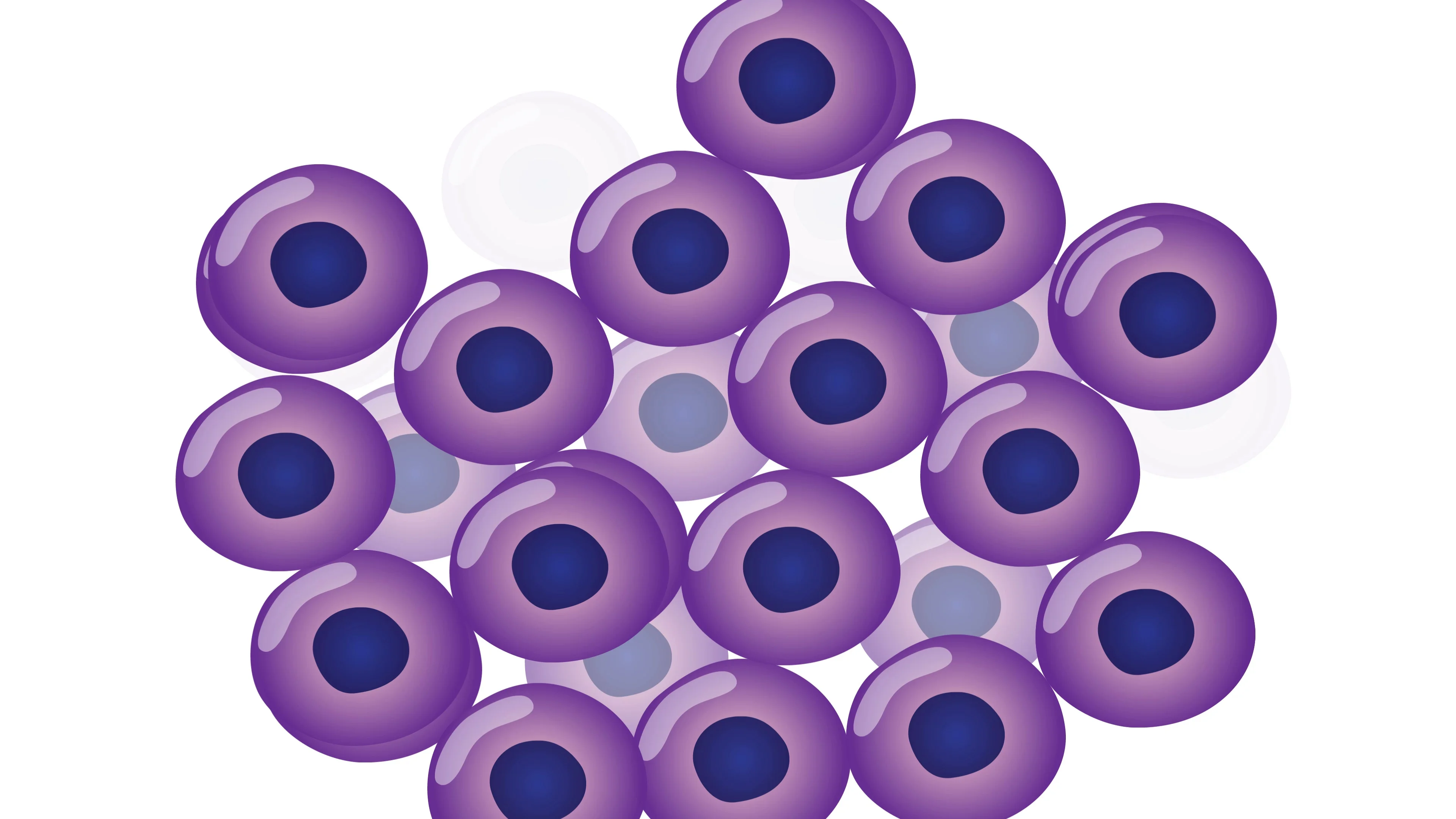
mTOR regulates:
-
Cell growth
-
Protein synthesis
-
Energy balance
Overactivation of mTOR signaling is seen in many tumors.
Some cancer drugs already target this pathway.
MYC — The Amplifier
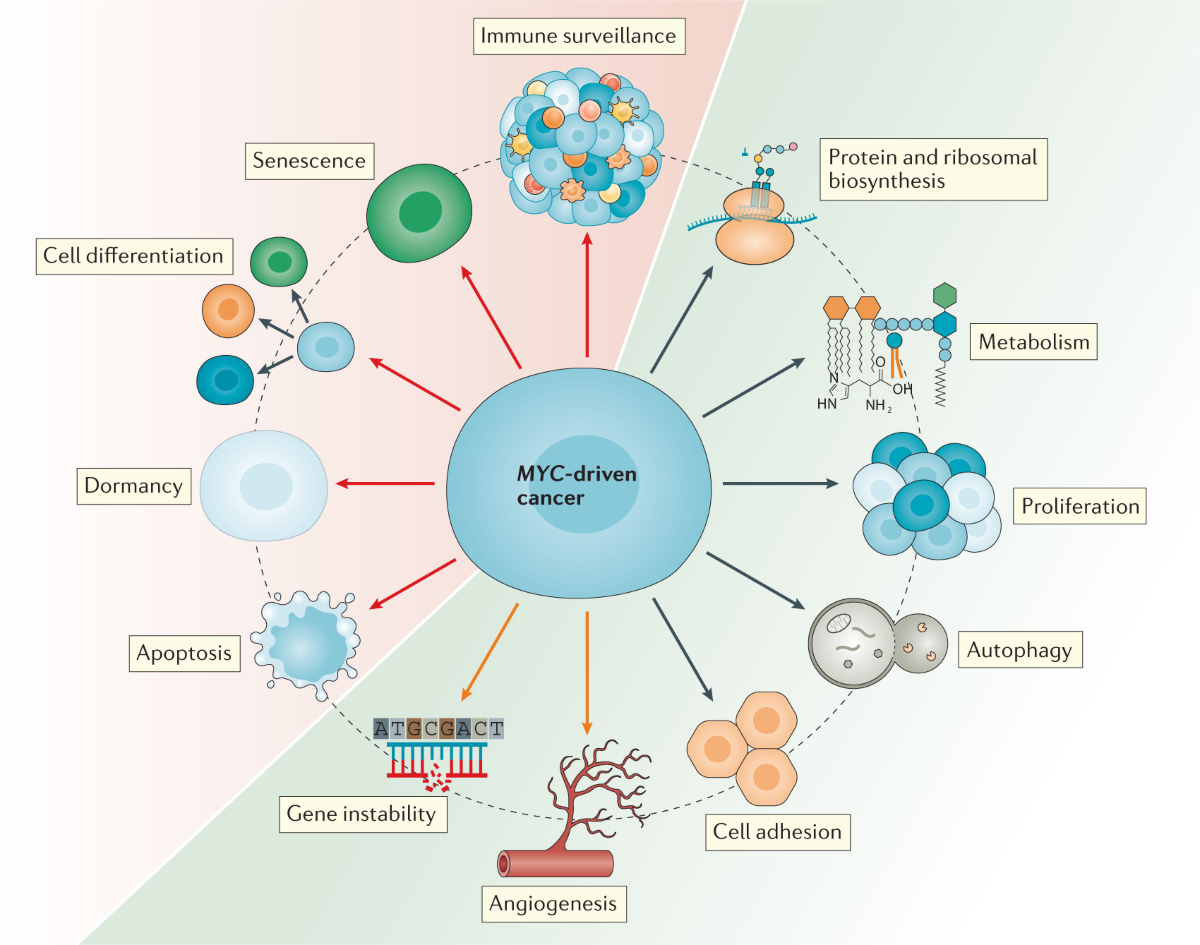

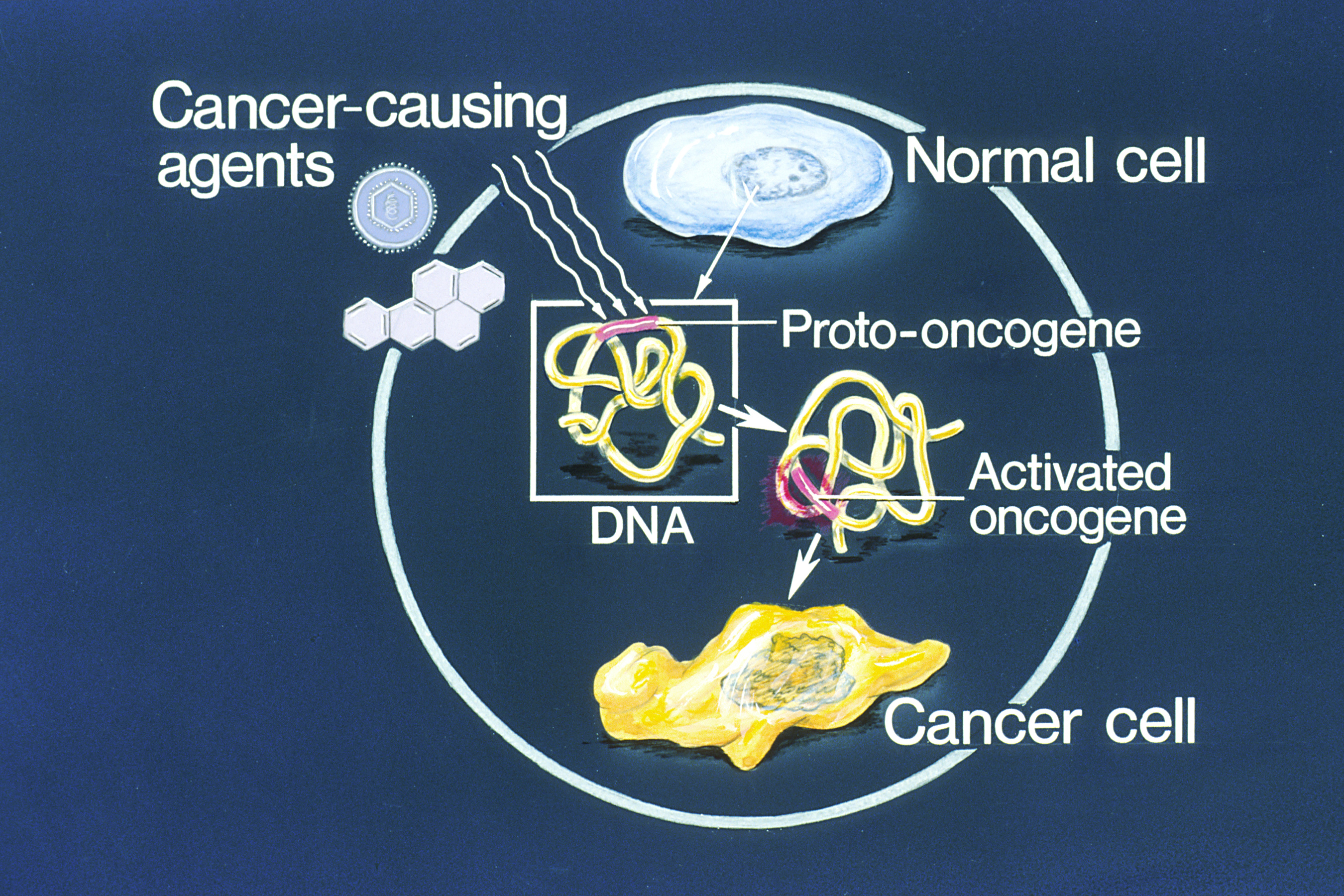
MYC is an oncogene that drives:
-
Rapid cell division
-
Increased metabolism
-
Tumor growth
It’s overexpressed in multiple cancer types.
Again — common involvement, not universal causation.
⚠️ Why Headlines Oversimplify
Scientific discoveries are nuanced.
But media headlines compress complex research into:
“All cancers linked to X.”
Reality is more like:
“Many cancers share abnormalities in a central protein involved in cell regulation.”
Very different energy.
🧬 What This Research Actually Means
If scientists identify a protein that:
-
Is dysregulated in many cancers
-
Plays a central signaling role
-
Can be targeted safely
That opens doors for:
-
Broader therapeutic strategies
-
Multi-cancer drug development
-
Precision medicine approaches
But cancer is adaptive.
Even if one pathway is blocked, tumors may activate alternate routes.
Cancer biology is redundant by design.
🧪 Could There Ever Be One Universal Cancer Switch?
Highly unlikely.
Cancer emerges from:
-
Accumulated mutations
-
Environmental damage
-
Genetic predisposition
-
Epigenetic changes
-
Immune system evasion
A single protein might be common in many cases — but cancer is a network problem, not a single-button issue.
🧠 Why This Research Still Matters
Even if there’s no universal cure, identifying shared mechanisms helps:
-
Improve early detection
-
Develop broader-target therapies
-
Understand tumor evolution
-
Refine immunotherapy
Modern oncology is moving toward pathway-based treatment, not organ-based treatment.
We treat the mutation, not just the location.
That’s a big shift.
🩺 What Should the Public Take Away?
Don’t interpret this as:
“There’s one protein causing all cancer.”
Instead understand:
“There may be shared molecular weaknesses across different cancers.”
That’s progress.
But it’s not magic.
Final Thought
Cancer is complex.
When you hear “single protein linked to all cancers,” translate it as:
“Researchers are identifying common regulatory pathways that appear across multiple tumor types.”
That’s important.
It brings us closer to smarter, more targeted therapies.
But science moves in layers — not headlines.
If you’re curious, I can break down:
-
How targeted cancer drugs actually work
-
Why tumor heterogeneity makes universal cures difficult
-
Or how immunotherapy changed the oncology game
Just say the word.